
Flame-resistant (FR) clothing can carry different chemical residues depending on how the fabric achieves flame performance. A common question from procurement and safety teams is whether semivolatile organic compounds (SVOCs) are present. This guide breaks down what SVOCs are, why they can appear on treated textiles, and how treated flame-retardant finishes differ from inherently flame-resistant fibers. You’ll get a clear rundown of the chemical classes to expect, how exposure happens in the workplace, and practical steps buyers can take to reduce risk through specification, testing, and product choice. We cover typical SVOC examples, the role of PFAS, exposure pathways and mitigation, and a side-by-side look at inherent versus treated FR materials. Finally, we include a buyer-focused checklist of labels, certifications, and supplier documents to help you specify low-toxicity FR clothing for workforce protection and procurement decisions.
What Chemicals Are Present in FR Clothing? Exploring Flame-Retardant Chemistry
FR protection can come from the fiber’s chemistry or from surface-applied flame-retardant finishes. The chemical classes you’ll find depend on that choice and on finishing steps during manufacturing. Treated garments frequently show residues from organophosphate retardants, some brominated compounds, or other additive chemistries that act at the fabric surface. In contrast, inherently flame-resistant fibers lock protective chemistry into the polymer and generally don’t carry mobile surface finishes. Knowing which classes are volatile, semivolatile, or persistent helps shape testing and procurement. Detection also varies with extraction methods and dust sampling protocols, so for B2B buyers specifying material type and requesting test reports lowers uncertainty and helps manage SVOC presence in finished workwear.
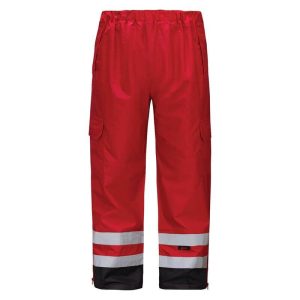
Get a Custom FR Clothing Quote from VisonSafety
How these chemistries compare and how they’re detected:
| Chemical Group | Typical Use in FR Apparel | SVOC Status / Detection |
|---|---|---|
| Organophosphate flame retardants | Surface treatments on cotton blends | Often semivolatile; recovered in solvent extracts and workplace dust |
| Brominated flame retardants (e.g., PBDEs) | Additive retardants used in some finishes | Persistent; semi- to non-volatile with bioaccumulation concerns |
| PFAS (per- and polyfluoroalkyl substances) | Water/oil repellency and, occasionally, specialty finishes | Often persistent; can behave like SVOCs and need targeted analysis |
Which Semivolatile Organic Compounds Appear in FR Clothing?
SVOCs are organic compounds with intermediate vapor pressures that can partition into dust and onto skin-contact surfaces. In FR apparel they can come from additive flame-retardant finishes, plasticizers, or contamination during processing. Examples found in textile extracts and workplace dust include certain organophosphate esters and legacy brominated retardants; how mobile they are depends on how tightly they bind to fibers. Detection typically uses solvent extraction followed by GC‑MS or LC‑MS screening, and results depend on lab methods, sample type, and garment history (laundering, abrasion). For procurement, require recent lot-level test reports and method details so you can judge whether detected SVOCs indicate a meaningful exposure risk.
How Do PFAS Fit into Flame-Resistant Fabrics?
PFAS are a broad family most commonly used to add water and oil repellency to textiles and, in some niche finishes, to affect flame behavior. They’re chemically persistent and may show up in SVOC screens. Because PFAS can be surface-applied, they’re more likely to migrate into dust or transfer to skin than polymer-bound chemistries. Standard screens can miss many PFAS, so targeted fluorine or PFAS-specific testing is necessary. With growing regulatory pressure and market demand for PFAS-free workwear, buyers should confirm whether repellency treatments are fluorinated and ask for certificate-backed assurance or non-fluorinated alternatives. Knowing how PFAS are used in finishes helps when you assess health risks and safer options.
What Are the Health Risks from Flame-Retardant Chemicals in FR Clothing?
Workers are mainly exposed to flame-retardant chemicals and SVOCs from clothing via skin contact, transfer to hands and ingestion (hand-to-mouth), and inhalation of contaminated dust in the workplace. Health implications differ by chemical class and exposure level. Organophosphate esters have been linked in some studies to endocrine and neurodevelopmental effects; legacy brominated compounds are persistent and may bioaccumulate; PFAS are persistent with systemic exposure concerns. Risk depends on dose and route of exposure, so procurement controls, proper laundering, and workplace hygiene reduce uptake. Employers should prioritize specification choices and verification testing to limit exposure and lower occupational health risk.
Common exposure pathways and practical mitigation:
- Dermal transfer: Direct skin contact moves residues from fabric to skin—specify low-transfer materials where practical.
- Dust inhalation: Wear and abrasion create dust that can carry SVOCs—implement cleaning regimes and adequate ventilation.
- Ingestion via hand-to-mouth: Emphasize hand hygiene and glove use for dirty tasks to reduce accidental ingestion.
Including language that requires low-migration finishes, lot-level sample testing, and clear laundering instructions in your specifications helps reduce exposure and supports safer procurement.
How Can SVOC Exposure Affect Health?
SVOC exposure from workwear typically contributes to chronic, low-level contact. Health outcomes depend on the specific compound, cumulative dose, and worker vulnerability; concerns reported in the literature include endocrine disruption, immune effects, and developmental impacts for selected chemistries. Acute irritation is uncommon with these compounds compared with strong solvents, but long-term biomonitoring and epidemiology have raised concerns for some flame-retardant classes. Apply the precautionary principle: minimize exposure pathways, substitute inherently safer materials when possible, and combine engineering, administrative, and PPE controls to lower cumulative worker dose. Clear specifications, supplier SDS, and periodic lab screening are practical risk-management steps.
Are There Safer Alternatives to Traditional Flame Retardants?
Yes. Safer strategies include choosing inherently flame-resistant fibers, specifying non-fluorinated repellents, and using low‑migration or reactive chemistries that chemically bond to the fiber rather than remain mobile on the surface. Trade-offs exist between cost and performance—consider durability, laundering performance, and the intended use when evaluating options. Inherently FR aramid or modacrylic blends provide protection without additive finishes, and some modern phosphorus-based treatments show lower mobility. Look for certification-backed options and documented test data to verify reduced chemical risk. For B2B buyers, this usually means highlighting manufacturing capabilities, product ranges, and certifications and engaging suppliers for custom, low-toxicity FR solutions.
How Do Inherently Flame-Resistant Fabrics Differ from Treated FR Clothing?
Inherently flame-resistant fabrics get their protection from the fiber chemistry itself; treated FR clothing relies on surface-applied finishes. That distinction affects durability, likelihood of chemical residues, and maintenance. Inherent FR fibers retain protection through laundering and abrasion because the flame resistance is built into the polymer. Treated fabrics can lose finish over time and may carry mobile residues that contribute to detectable SVOCs. Procurement should consider lifecycle cost, post-laundering performance, and whether the end use tolerates potential transfer of finishing chemicals. For long-term low-chemical exposure—especially in high-contact roles—buyers often prefer inherently FR textiles.
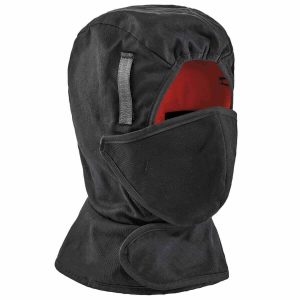
Get a Custom FR Clothing Quote from VisonSafety
Quick comparison to guide selection:
| Fabric Type | Treatment vs Inherent | Expected Chemical Residues |
|---|---|---|
| Aramid / inherently FR fibers | Inherent | Minimal mobile residues; low potential for SVOC transfer |
| Modacrylic blends | Inherent / engineered | Stable FR performance; limited surface migration |
| Cotton with FR finish | Treated | Possible surface residues; higher SVOC detectability |
Do Inherently Flame-Resistant Fabrics Contain SVOCs?
Because inherently flame-resistant fibers rely on polymer chemistry rather than mobile additives, they generally present a much lower likelihood of SVOC transfer compared with treated garments. That said, manufacturing steps can introduce processing aids or finishing agents that leave trace residues, so lot-level documentation and pre-shipment testing are prudent. Request SDS for inputs and targeted residue testing to validate low SVOC presence and increase supply-chain transparency. If minimal chemical exposure is a priority, specifying inherent FR fibers alongside documented manufacturing controls is a practical procurement strategy.
What Are the Benefits of Choosing Non-Toxic FR Clothing?
Selecting low‑chemical or non‑toxic FR options lowers worker chemical exposure, simplifies compliance as regulations evolve, and supports brand reputation for safety and sustainability. Benefits span improved worker health, reduced legal and regulatory risk, and market differentiation for distributors and brands. Non‑toxic choices can also reduce disposal or recycling restrictions and make supplier audits simpler when documentation is complete. For procurement teams, combining inherent FR fibers with supplier-verified test reports and clear laundering guidance produces the most robust outcome. The business case is straightforward: sourcing low-toxicity FR clothing protects workers and strengthens operational and reputational value.
- Worker safety advantage: Reduced long-term exposure and related health concerns.
- Regulatory advantage: Easier alignment with emerging chemical restrictions.
- Market advantage: Differentiation for suppliers and brands offering safer apparel.
How Can Buyers Identify Non-Toxic FR Clothing?
Identify low‑chemical FR clothing by requesting specific labels, certifications, and supplier documentation that cover both flame performance and chemical content, and by following a documented due-diligence process. Key items include independent test reports showing flame performance after laundering, chemical-screening reports targeting SVOCs and PFAS, and SDS for input materials. Practical procurement steps are sample testing of production lots, clear contract language on allowed chemistries, and retention of certification dossiers for audit and compliance. These measures help you specify genuinely low‑toxicity FR apparel with confidence.
Checklist for document and label verification:
- Request lab reports: Obtain recent, lot-specific flame and chemical screening reports.
- Verify certifications: Confirm independent standards that address both safety and chemical limits.
- Obtain SDS and product dossiers: Ensure full material disclosure and documented manufacturing controls.
Following this repeatable procurement process minimizes SVOC and PFAS risk in workwear purchases while supporting compliance and protecting workers.
Do FR Garments Contain Semivolatile Organic Compounds | FAQs
What are the long-term health effects of exposure to SVOCs in FR clothing?
Chronic exposure to certain SVOCs found on FR clothing has been associated in some studies with endocrine disruption, immune effects, and potential developmental impacts. Compounds such as specific organophosphate esters and legacy brominated retardants can accumulate in the body over time, increasing chronic risk. The degree of harm depends on exposure level, frequency, and individual vulnerability. That’s why minimizing unnecessary contact through careful material selection and verification is important for long-term health protection.
How can employers ensure the safety of their workers regarding FR clothing?
Employers can reduce risk by adopting a procurement strategy that prioritizes low‑toxicity FR clothing. Actions include specifying inherently flame-resistant materials where appropriate, requesting up-to-date SDS and lot-specific lab reports for chemical content, and enforcing proper garment care and hygiene practices. Regular training, workplace monitoring, and maintaining a culture of safety and compliance further protect employees who wear FR clothing.
What should buyers look for when selecting non-toxic FR clothing?
When choosing non-toxic FR clothing, prioritize independent test reports for flame performance and chemical screening (including SVOCs and PFAS), and prefer inherently flame-resistant fibers when suitable. Ask suppliers for documentation on manufacturing inputs and processes to ensure transparency. Working with vendors who provide verifiable evidence of low-toxicity options makes it easier to protect worker health and meet procurement requirements.
Are there specific regulations governing the use of flame retardants in clothing?
Yes. Various regulations and guidance address flame retardant use in textiles, especially in occupational settings. Regulators and agencies—such as the EPA and OSHA in the U.S.—focus on limiting harmful chemicals like certain brominated and organophosphate flame retardants because of health concerns. Buyers should stay current on relevant rules and standards to ensure compliant purchasing and to protect workers from harmful exposures.
How does laundering affect the chemical composition of FR clothing?
Laundering can change the chemical profile of FR clothing, particularly for treated garments. Repeated washing may reduce surface-applied finishes or cause them to break down, potentially increasing the release of SVOCs. Inherently flame-resistant fabrics retain protection through the polymer structure and typically show lower chemical migration. Consider laundering instructions and durability when specifying FR garments to ensure long-term safety and performance.
What role do certifications play in identifying safe FR clothing?
Certifications provide independent assurance that FR clothing meets defined safety and chemical standards. Look for certifications that explicitly address both flame resistance and chemical safety (including limits on SVOCs and PFAS). Verified certifications and third-party test reports make it easier to select products that prioritize worker health and comply with regulatory expectations.
Conclusion
Choosing low‑toxicity, certified FR clothing reduces chemical exposure, strengthens worker safety, and simplifies compliance as regulations tighten. Prioritizing inherently flame-resistant materials and verifying supplier documentation gives procurement teams confidence that garments protect workers without unnecessary chemical risk. This practical, proactive approach safeguards employees and enhances your brand’s reputation. Ready to move toward safer procurement? Explore our certified low‑toxicity FR apparel and get in touch to discuss your specifications.
 English
 Deutsch
 Français
 Polski
 Português do Brasil
 Español
 日本語
日本語 Русский
 العربية
 Italiano
 Nederlands
 Türkçe
 한국어
한국어