
Flame-resistant (FR) clothing is purpose-built protective apparel that resists ignition and self‑extinguishes to reduce burn risk for workers exposed to thermal hazards. No — not every detergent or chemical is safe: the wrong products can weaken fibers, leave flammable residues, or invalidate certifications. This guide shows which detergents and ingredients are safe for FR garments, how to wash and dry them to keep protective performance, why some chemicals are prohibited under standards such as NFPA 2112 and EN ISO 11612, and which stain‑removal steps are safe for industrial soils. You’ll get fabric‑specific care for inherent FR fibers versus treated cotton blends, practical advice for industrial and home laundering, and simple checklists to follow before garments return to service. Our focus is on maintaining protection through correct detergent choice, laundering parameters, and adherence to manufacturer care labels for traceable compliance.
What Is the Best Detergent for FR Clothing? Safe Detergents for Flame Resistant Garments
The best detergent for FR clothing is a mild, dye‑free, fragrance‑free formula with no chlorine bleach, optical brighteners, or fabric softening agents. These detergents clean soils without changing fiber chemistry or leaving combustible residues. Gentle surfactant systems remove dirt while minimizing chemical attack on meta‑aramids, modacrylics and treated cotton blends, helping garments keep their self‑extinguishing behavior. Using FR‑safe detergents preserves certification performance and reduces the risk that residue or contamination will increase flammability. Always check detergent labels, follow garment care instructions, and, when possible, choose products explicitly labeled for industrial workwear.
VisonSafety manufactures certified FR workwear and recommends following each product’s care label. For fleet programs, we can supply product‑specific laundering guidance and custom care labels so that washing preserves certification and traceability. Use the contact options through our manufacturer sales channels to request technical data sheets or tailored guidance for OEM/ODM orders.
Below is a quick summary of common detergent types and the safety attributes to look for when selecting a product for FR clothing.
| Detergent Type | Key Attribute | FR-Safe? |
|---|---|---|
| Mild, dye-free liquid | Gentle surfactants; no dyes or optical brighteners | Yes |
| Powder with optical brighteners | Contains brighteners or dyes that can coat fibers | No |
| Chlorine bleach formulas | Oxidizing chlorine agents that degrade polymers | No |
| Enzyme/oxidizer heavy industrial detergents | Strong oxidizers that can weaken fibers | No |
This table reinforces that mild, neutral detergents without brighteners or oxidizers are the safest choice to preserve FR properties and extend garment life.
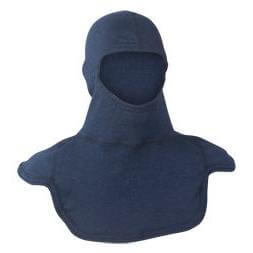
Get a Custom FR Clothing Quote from VisonSafety
Which Detergent Ingredients Are Safe for FR Clothes?
Safe ingredients for FR detergents include mild non‑ionic surfactants, biodegradable anionic surfactants, neutral pH buffers and non‑ionic wetting agents that lift soils without attacking polymers. These chemistries remove oils and particulates while minimizing hydrolysis or oxidation of fibers, preserving inherent flame resistance in meta‑aramids and modacrylics and protecting finishes on treated cotton. Avoid formulas that list optical brighteners or peroxide‑based bleaches. When choosing a product, check technical sheets for statements such as “no chlorine,” “no peroxide,” and “no softening agents” to reduce residue risk that could increase flammability.
Selecting detergents with clear safety profiles also simplifies batch testing and helps maintain predictable post‑wash performance across workwear fleets.
What Detergents Should You Avoid on FR Clothing?
Avoid chlorine bleach, peroxide bleaches, fabric softeners (including dryer sheets), and heavily perfumed or dyed detergents that leave deposits or coat fibers. Chlorine bleach can cleave polymer chains in many synthetic FR fibers and strip protective finishes on treated cotton, causing measurable loss of protection. Fabric softeners deposit lubricating films that reduce surface self‑extinguishment and raise ignition risk. Using these products can void manufacturer certifications and create workplace safety and compliance issues.
Steering clear of these detergent classes reduces premature garment retirement and helps maintain consistent protective performance through multiple laundering cycles.
How Should You Wash and Dry Flame Resistant Clothes to Preserve Safety?
Launder FR clothing with controlled, low‑impact mechanical action, measured detergent dosing and temperatures matched to the fabric to protect fiber integrity and finishes. Proper washing balances effective soil removal with minimal fiber stress: use gentle or approved industrial cycles, avoid overloading machines, and dose detergent to manufacturer guidance to prevent residue buildup. Dry with low heat or air‑drying to avoid excessive thermal exposure. These steps support traceable maintenance for fleets and align with certification expectations from NFPA and EN standards.
| Fabric Type | Washing Setting | Drying Recommendation |
|---|---|---|
| Inherent meta-aramid | Warm water 30–40°C, gentle cycle | Tumble low or air dry |
| Modacrylic blends | Warm water 30–40°C, gentle cycle | Tumble low, avoid high heat |
| Treated cotton FR | Cool to warm 30°C, gentle cycle | Air dry or tumble low to protect finish |
Use this mapping to set machine parameters that preserve FR performance while achieving reliable soil removal and turnaround.
What Are the Recommended Washing Settings for FR Garments?
Recommended settings prioritize temperature control, gentle cycles and proper loading to limit abrasion and chemical exposure. For most FR fabrics, 30–40°C (warm) removes industrial soils without accelerating polymer degradation; choose gentle or short cycles and avoid heavy mechanical action that breaks fibers. Measure detergent exactly and avoid overdosing, which raises residue risk. Separate heavily contaminated items and use approved pre‑treatments for specific stains to reduce the need for harsher cycles and help maintain certification‑consistent performance over time.
Careful machine setup minimizes cumulative damage across washes and supports predictable, testable protective qualities.
How Do You Properly Dry FR Clothing Without Damaging It?
Dry FR garments by minimizing heat and mechanical stress: prefer air drying or tumble drying on low heat, and remove items promptly to prevent over‑exposure. High temperatures and prolonged tumbling can shrink fibers, degrade finishes and accelerate wear — all of which compromise flame resistance. Avoid starch, high‑heat ironing and steam when labels prohibit them, and store garments in a clean, dry area away from oils and solvents. Proper drying and storage complete the laundering cycle and preserve both fit and protection.
Consistent, low‑heat drying practices extend garment life and reduce early replacement due to laundering damage.
Why Can’t You Use All Detergents or Chemicals on FR Clothing? Risks and Safety Compliance
Certain detergents and chemicals change fiber chemistry or leave combustible residues that lower flame resistance, and using them can void certifications and jeopardize workplace safety. Harmful mechanisms include oxidation of polymer chains, removal of FR finishes and deposition of hydrophobic or oily films that increase heat release. These alterations are detectable in post‑wash batch testing required by standards such as NFPA 2112 and EN ISO 11612, so improper care can create noncompliance and liability. Employers and laundries must follow manufacturer care instructions and approved industrial laundering protocols to preserve certification traceability.
VisonSafety follows recognized certification processes and ISO 9001 quality controls, and we emphasize batch testing and traceable materials. Customers can request certification documentation or discuss industrial laundering contracts for fleets to ensure compliant maintenance practices.
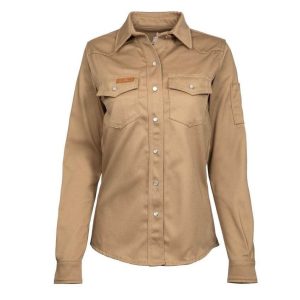
Get a Custom FR Clothing Quote from VisonSafety
How Do Bleach and Fabric Softeners Affect FR Properties?
Chlorine bleach and peroxide oxidizers break down synthetic polymer backbones and strip protective finishes, weakening inherent flame resistance and reducing char formation. Fabric softeners and dryer sheets deposit thin hydrophobic films that increase ignition propensity and reduce self‑extinguishment; residues also attract and hold oily soils. These chemical effects change measurable performance and can render a garment noncompliant with its original certification. Avoiding these agents is essential to retain FR functionality and meet workplace safety obligations.
Knowing these mechanisms explains why care labels explicitly prohibit certain chemicals and why traceable laundering practices matter.
What Other Chemicals Should Be Avoided to Maintain FR Certification?
Beyond bleach and softeners, avoid peroxide‑based bleaches, starches, animal fats, heavy oils and organic solvents that can contaminate fibers or strip finishes. Solvents and oils cling to fabric and raise flammability even if the base fiber remains intact, while starches and sizing agents change heat transfer and ignition behavior. Contamination from fuels, greases and some industrial chemicals may require specialized industrial cleaning rather than home laundering. Keeping these contaminants out of service and avoiding remedial treatments that alter material properties is key to maintaining certification.
Regular inspection and prompt removal of heavily contaminated items prevent cumulative damage that would otherwise require garment retirement.
How Can You Safely Remove Stains from FR Workwear Without Compromising Protection?
Safe stain removal focuses on non‑oxidizing pre‑treatments, mechanical blotting and laundering with FR‑safe detergents — not solvent‑based spot removers that can strip finishes. For oil and grease, blot excess with an absorbent, apply a mild FR‑safe degreasing pre‑treatment, then launder on the recommended cycle. Avoid chlorinated solvents and commercial spotters unless the garment manufacturer explicitly approves them; these products can remove finishes or leave flammable residues. When in doubt, send heavily soiled items to certified industrial laundries with traceable processes.
The next section gives practical steps for oil and grease stains and compares industrial versus home laundering to help you choose the right approach for your operation.
What Are Effective FR-Safe Stain Removal Techniques for Oil and Grease?
Effective FR‑safe stain removal for oil and grease uses absorbent blotting, a controlled pre‑treatment with a mild, water‑based degreaser and prompt laundering with an FR‑safe detergent. First, scrape or blot excess soil without spreading it. Second, apply a small amount of a mild degreaser made for workwear and allow it to emulsify the oil. Third, launder immediately on the recommended cycle with measured detergent dosing. Avoid chlorinated solvents, petroleum‑based spotters and strong oxidizers that can change fiber chemistry. These steps remove soils while protecting inherent FR fibers and finishes.
Following a conservative, manufacturer‑approved stain protocol reduces the need for harsh chemicals and preserves certificate‑backed performance.
Can You Use Industrial vs. Home Laundry Methods for FR Clothing?
Industrial laundering provides controlled chemistry, validated cycles and traceability that support certification compliance for large fleets. Home laundering can be acceptable for individuals when manufacturer instructions are followed exactly. Industrial services document batch testing, control dosing and apply approved processes for stubborn contaminants, so they’re the preferred option for organizations with compliance obligations. Home laundering works when you use FR‑safe detergents, correct settings and separate contaminated items, but it lacks traceable QC and may increase risk in high‑exposure jobs. Choose industrial laundry for scale and compliance; reserve home care for low‑exposure, individually owned garments.
For B2B customers needing OEM/ODM FR apparel, rapid sampling or custom care instructions, VisonSafety can provide production support, technical data sheets and tailored care labels to help you run a compliant laundering program with full fleet traceability.
Can You Use Any Detergent on FR Clothes | FAQs
1. What are the consequences of using the wrong detergent on FR clothing?
Using the wrong detergent can degrade fibers, strip protective finishes or leave flammable residues that compromise a garment’s flame resistance. That damage may cause loss of certification and make the clothing noncompliant with standards like NFPA 2112 and EN ISO 11612. The result is increased burn risk for workers, so using FR‑safe detergents is essential.
2. How often should FR clothing be laundered to maintain safety?
Laundering frequency depends on exposure and contamination. As a rule, wash FR garments after each use when they are heavily soiled or exposed to flammable materials. Regular laundering helps maintain fabric integrity and protective properties, but always follow the manufacturer’s care instructions — some garments may require less frequent washing based on usage and exposure.
3. Can I use fabric softeners on FR clothing?
No. Fabric softeners leave hydrophobic films on fibers that can increase ignition risk and reduce self‑extinguishment. They can also interfere with moisture wicking and wearer comfort. To protect the garment’s safety features, avoid softeners and other additives unless the manufacturer explicitly approves them.
4. What should I do if my FR clothing gets heavily soiled?
Address heavy soils promptly. Blot or scrape away excess to avoid spreading the stain, apply a mild FR‑safe degreaser or pre‑treatment made for workwear, then launder per the garment’s care label using an approved detergent. For extremely stubborn or hazardous contamination, send garments to a certified industrial laundry that specializes in FR clothing.
5. Are there specific storage requirements for FR clothing?
Yes. Store FR garments in a clean, dry area away from oils, solvents and other chemicals that could contaminate the fabric. Avoid compressing garments in a way that causes creases or fiber damage, and keep storage conditions free from excessive heat or humidity. Proper storage helps extend garment life and maintain protective performance.
6. How can I ensure compliance with FR clothing care standards?
Follow manufacturer care labels, use only FR‑safe detergents and avoid prohibited chemicals like bleach and fabric softeners. Inspect garments regularly for wear or contamination and launder them using the recommended settings for the fabric type. For organizations, implement a documented laundering program with certified industrial services to provide traceability and meet safety standards.
7. What are the benefits of using industrial laundering services for FR clothing?
Industrial laundering offers controlled processes, validated chemicals and full traceability — all key for compliance. These services clean without compromising flame resistance, handle large volumes, treat tough stains and keep detailed batch records for audits. That level of care protects workers and helps extend garment life.
Conclusion
Picking the right detergent for flame‑resistant clothing is critical for safety and compliance. Use mild, FR‑safe detergents and follow manufacturer care instructions to preserve fabric integrity and protective performance. Regular, correct laundering extends garment life and helps keep workers safe. If you need guidance or certified laundering solutions, explore our FR‑safe product recommendations or contact VisonSafety for technical support and tailored care labels.
 English
 Deutsch
 Français
 Polski
 Português do Brasil
 Español
 日本語
日本語 Русский
 العربية
 Italiano
 Nederlands
 Türkçe
 한국어
한국어