
Welders should wear flame‑resistant (FR) clothing whenever their work creates ignition risks — sparks, spatter, molten metal, arc flash, or a potential flash fire. FR garments lower burn severity by resisting ignition, self‑extinguishing, and avoiding melting or dripping onto skin. This guide explains why FR clothing matters for welding, which standards buyers should check, the core garment types and features to specify, and how procurement teams can source compliant, fit‑for‑purpose gear. Early decisions — material choices like meta‑aramid or treated cotton blends, plus construction elements such as reinforced seams and arc‑rated closures — directly affect real‑world protection. For B2B purchasers and distributors, we also outline the manufacturer capabilities you should expect from an OEM/ODM partner and practical steps to document compliance for audits. A brief note on manufacturing: VisonSafety is a certified FR clothing manufacturer that provides OEM/ODM services with UL/NFPA/EN‑compliant products and quality controls (including 100 percent fabric batch testing and an ISO 9001 facility) to help brands scale compliant FR welding apparel. The sections that follow break down hazards, standards, garment selection, and the business benefits of custom FR solutions.
Why Is Flame Resistant Clothing Crucial for Welders?
FR clothing creates a predictable, passive barrier that changes how fabric behaves when exposed to heat and flame — protecting skin and reducing injury severity. Inherently FR fibers or properly treated fabrics resist ignition or self‑extinguish and won’t melt or drip, which prevents secondary burns from molten materials. For welders, that means sparks and spatter are less likely to embed and cause deep thermal injury, and arc incidents are more likely to end in survivable, non‑life‑threatening outcomes. Understanding these material behaviors helps procurement teams specify the right PPE for a given welding environment and task. The next subsection outlines the common welding hazards FR clothing is designed to mitigate.
Get a Custom FR Clothing Quote from VisonSafety
What Are the Common Welding Hazards That FR Clothing Protects Against?
Welding exposes workers to a consistent set of thermal and electrical hazards that FR clothing is designed to address through material choice and garment design. Typical hazards include high‑velocity sparks and spatter from MIG or stick welding, molten metal splashes in heavy fabrication, arc flash energy during electrical welding, and localized flash fires in areas with flammable contaminants. Each hazard varies in energy and duration, so task‑based hazard assessment is essential to select shirts, jackets, or coveralls with the right fabric weight and arc rating. Procurement teams should map common tasks to required garment coverage levels so the specified clothing matches the actual on‑site exposures.
How Does Flame Resistant Clothing Reduce Burn and Fire Injuries in Welding?
FR clothing reduces burns by changing how the fabric reacts to heat and flame: meta‑aramid and other inherently FR fibers tend to char and self‑extinguish rather than melt, while treated cotton blends use durable finishes to resist ignition for the expected exposure period. Good garment design — reinforced seams, covered closures, and correct fit — minimizes openings where sparks can enter. Layered systems (for example, an FR shirt under an FR jacket) increase the time before skin is reached. In practical terms, a welder hit by a brief spatter shower is more likely to see surface charring instead of deep second‑ or third‑degree burns, reducing medical severity and recovery time. Selecting fabrics and constructions aligned with anticipated thermal loads is the primary PPE control after engineering and administrative measures.
What Are the Key Welding PPE Requirements and Safety Standards?
Several international standards and regulations define acceptable FR welding clothing; they set scopes, test methods, and labeling that buyers should verify. Different standards target specific hazards — NFPA 2112 focuses on flash fire, NFPA 70E covers arc flash safety practices, and EN 11611 addresses protective clothing for welding and allied processes. OSHA requires employers to perform a hazard assessment and provide appropriate PPE rather than prescribing a single garment type, so compliance depends on matching task hazards to certified products and retaining documentation. The table below summarizes key standards, their scope, and what they require for FR garments to help procurement teams compare requirements quickly.
Different standards address different welding hazards and include specific tests and labeling buyers must confirm.
| Standard | Scope | What It Requires for FR Garments |
|---|---|---|
| NFPA 2112 | Flash fire protection | Garments tested for limited flame spread and thermal performance under flash‑fire conditions; certification and labeled compliance are required |
| NFPA 70E | Electrical safety/arc flash | Work practice and PPE selection guidance for arc flash; arc ratings (cal/cm²) determine clothing choices and layering |
| EN 11611 | Welding and allied processes | Specifies required performance against small splashes of molten metal, radiant heat, and accidental contact |
| EN 1149 | Electrostatic properties | Addresses anti‑static performance where static discharge could ignite flammable atmospheres |
| OSHA PPE standards | US workplace safety framework | Requires hazard assessment and provision of appropriate PPE; references consensus standards for technical requirements |
This comparison helps procurement prioritize the standard that matches the dominant hazard and request the precise test reports and labels that demonstrate compliance. VisonSafety can supply certified product options and accompanying documentation for clients that require verified compliance.
Which Global Standards Apply to FR Welding Clothing?
Each global standard covers a specific protective niche: NFPA 2112 for flash fires, EN 11611 for protection during welding processes, and NFPA 70E for managing electrical arc risk. Buyers should request the exact test reports and label copies that correspond to their hazards — flash‑fire certificates where flammable vapors are possible, and arc ratings where electrical arcs are a risk. Your procurement checklist should include the standard name, certificate number, applicable test methods, and clear garment labeling so safety managers can demonstrate compliance during inspections. This reduces ambiguity and ensures selected PPE performs as expected on the job.
Does OSHA Require Welders to Wear Fire-Resistant Clothes?
OSHA does not mandate that welders always wear FR clothing. Instead, OSHA requires employers to evaluate hazards and supply PPE that mitigates those hazards. If a hazard assessment identifies ignition sources, molten metal splash, or arc flash risks, then FR and arc‑rated clothing is typically required and should be documented in training and records. Procurement teams should keep hazard assessments, PPE selection rationale, and vendor certifications on file as audit evidence. This task‑based approach places responsibility on employers to match garment performance to the work, rather than relying on one prescriptive rule.
What Types of Flame Resistant Welding Clothing Are Available?
Common FR welding gear includes shirts, jackets, coveralls, pants, and supplemental items such as bib aprons and gloves. Each garment type balances coverage, mobility, and breathability according to task demands. Materials for welding typically favor meta‑aramid and cotton blends because they combine inherent flame resistance, good arc performance, and wearer comfort compared with heavier, less breathable options. Design details — covered zippers, buttoned cuffs, reinforced knees — reduce entry points for sparks and extend service life, so buyers should specify these features in procurement documents. The table below contrasts common garment types by protective features and typical use cases to guide selection for different welding environments.
Compare garment categories to match coverage and features to the welding task.
| Garment Type | Key Features | Protection Level / Typical Use Case |
|---|---|---|
| FR Welding Shirt | Lightweight meta‑aramid or cotton blend; covered closures | General welding and overhead work with moderate spatter |
| FR Welding Jacket | Heavier shell; insulated options; extended sleeves | Heavy spatter, outdoor welding, and longer exposures |
| FR Coveralls | Full‑body coverage; reinforced seams; covered zippers | Confined spaces and heavy fabrication with high splash risk |
| FR Pants | Reinforced knees; high‑waist designs | Ground‑level welding tasks and paired use with FR shirts |
After choosing a garment type, specify fabric, closures, and seam reinforcements so the garments meet on‑site hazard profiles. VisonSafety manufactures FR shirts, jackets, coveralls, and pants and can provide samples and spec sheets to validate fit and performance before bulk ordering.
Get a Custom FR Clothing Quote from VisonSafety
What Are the Features of FR Welding Shirts and Jackets?
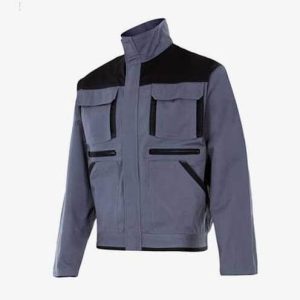
FR welding shirts and jackets are built for both protection and comfort. Material choice (meta‑aramid or durable cotton blends) provides the primary flame resistance, while covered snaps or non‑melting zippers, appropriate collars, and secure cuff closures keep sparks out. Breathability and fabric weight matter for long shifts — lighter shirts suit high‑mobility work, while jackets add dwell time and insulation for heavier spatter. Pocket designs should use flaps or internal baffles to prevent embers from collecting, and reinforced shoulder panels help garments last in abrasive environments. When specifying shirts or jackets, include fabric gram weight, stitch type, and closure materials in procurement documents.
How Do FR Coveralls and Pants Provide Full-Body Welding Protection?
FR coveralls and pants deliver continuous coverage that reduces gaps between shirt and trousers, cutting down entry points for sparks and molten metal. Quality coveralls use reinforced seams, concealed front closures with storm flaps, and ergonomic paneling to preserve mobility while keeping protection intact — essential in heavy fabrication and confined‑space welding. Pants with reinforced knees and higher waists protect common impact and splash zones and can be paired with chaps or bib aprons for added front protection. Fit matters: garments that are too loose increase snag risk; too tight restricts movement. Procurement should prioritize appropriate sizing ranges for the workforce.
How Can B2B Clients Benefit from Custom FR Welding Apparel Solutions?
B2B clients benefit from partnering with an experienced OEM/ODM FR manufacturer that offers customization, consistent quality control, and logistical flexibility for distributors and brands. Custom FR solutions allow branding (logos, trims), fit adjustments for specific workforces, and functional adaptations such as reinforced knees or specialized closures for niche welding tasks. A dependable manufacturing partner should also offer robust quality assurances — ISO 9001 processes, 100 percent fabric batch testing, and material traceability — to support audits and regulatory compliance. The table below summarizes typical manufacturer services, capabilities, and the benefits they deliver to B2B clients to help procurement evaluate partners objectively.
This service table clarifies capabilities and buyer benefits when choosing a manufacturing partner.
| Service | Capability | Benefit to B2B Client |
|---|---|---|
| OEM/ODM Manufacturing | Custom patterns, branding, trims | Differentiated product lines and private‑label opportunities |
| Quality Control | ISO 9001 processes; 100% fabric batch testing | Traceable compliance and fewer field failures |
| Sampling & MOQ Flexibility | Fast sampling; adjustable minimums | Faster time‑to‑market and lower inventory risk |
| Logistics | DDP shipping and global delivery | Simplified international fulfillment and predictable landed costs |
VisonSafety supports OEM/ODM requests with flexible MOQs, fast sampling workflows, DDP shipping options, and global delivery capacity; clients can request custom quotes or samples by contacting the company directly to discuss specifications and compliance requirements.
What Customization Options Are Available for FR Welding Clothing?
Manufacturers typically provide a range of OEM/ODM customization options that matter to brands and distributors: logo placement and label printing, colorways and fabric weight choices, and functional upgrades such as reinforced knees, arc‑rated closures, and anti‑static finishes. Lead times depend on complexity and sampling; fast prototype programs speed up specification validation and fit testing before production. Procurement teams should supply exact measurement tables, logo file formats, and required certifications in the technical pack to avoid rework. Choosing a partner that documents change control and traceability helps ensure consistent production across orders.
How Does VisonSafety Ensure Quality and Global Delivery for Welding PPE?
VisonSafety combines manufacturing controls and logistics services to meet B2B needs. Quality assurance includes an ISO 9001 facility and 100 percent fabric batch testing so materials meet specified FR performance before cutting and sewing. The company maintains material traceability and offers flexible MOQs so brands and distributors can test assortments without excessive inventory risk. On logistics, VisonSafety provides fast sampling and DDP shipping options to simplify international fulfillment and lower landed‑cost complexity for global clients. Procurement teams seeking compliant FR welding apparel can contact VisonSafety via the listed business email or phone to request technical packs, sample sets, and formal quotes.
Do Welders Need FR Clothing | FAQs
Get a Custom FR Clothing Quote from VisonSafety
What should I consider when selecting FR clothing for welding?
Start with a hazard assessment: identify welding processes (MIG, TIG, stick), likely exposures (sparks, spatter, molten metal), and any flammable materials nearby. Prioritize material composition and certification — for example, NFPA 2112 or EN 11611 where applicable — and specify garment features such as reinforced seams, correct fit, and breathability for wearer comfort. Engage safety professionals to confirm your selection meets regulatory and task requirements.
How often should FR clothing be inspected and maintained?
Inspect FR garments regularly for wear, damage, or contamination. A practical routine is a quick inspection before each use, concentrating on high‑stress areas like seams and closures. Follow the manufacturer’s laundering instructions to preserve FR performance. Depending on wear frequency, perform more detailed inspections every few months and retire any garment with significant damage immediately.
Can FR clothing be washed and reused?
Yes — FR clothing is designed to be laundered and reused, provided you follow the manufacturer’s care instructions. Use compatible detergents, avoid fabric softeners, and wash FR items separately when necessary to prevent contamination. Proper maintenance will help preserve protective properties over multiple wash cycles.
What are the benefits of custom FR welding apparel solutions?
Custom FR solutions deliver a better fit, improved comfort, and task‑specific features that address unique workplace hazards. They support branding (logo placement, trims) and functional changes like reinforced panels or special closures. Working with a reputable manufacturer also ensures consistent quality and documented compliance with safety standards, which benefits worker safety and buyer confidence.
Are there specific regulations for FR clothing in different countries?
Yes — FR regulations vary by region. In the U.S., OSHA sets the employer obligation to provide appropriate PPE and references consensus standards like NFPA 2112 and NFPA 70E. In Europe, EN 11611 and EN 1149 govern welding protection and electrostatic properties. Employers and procurement teams must confirm applicable regional standards and maintain corresponding documentation.
What role does fit play in the effectiveness of FR clothing?
Fit is essential. Properly fitted garments reduce gaps where sparks and molten metal can enter, while overly loose clothing increases snag risk and overly tight clothing restricts movement. A well‑fitted FR garment balances protection and mobility, so prioritize sizing ranges and fit trials during procurement.
Conclusion
Flame‑resistant clothing is a core control for welding work — it reduces the risk and severity of burn injuries when selected and used correctly. By understanding the relevant standards and specifying the right materials and construction features, procurement teams can ensure workplace safety and compliance. Investing in high‑quality, certified FR apparel protects workers and supports operational continuity. Contact us to explore VisonSafety’s customizable FR welding solutions tailored to your needs.
 English
 Deutsch
 Français
 Polski
 Português do Brasil
 Español
 日本語
日本語 Русский
 العربية
 Italiano
 Nederlands
 Türkçe
 한국어
한국어