
Stacking flame‑resistant (FR) clothing means wearing multiple certified FR pieces together to form a system‑level protective ensemble. Yes — FR garments can be layered, and when you specify compatible, non‑melting pieces, layering raises ensemble protection, improves comfort, and makes task‑based PPE selection more practical for crews in the field. This article explains how layering affects Arc Thermal Performance Value (ATPV), defines base/mid/outer roles, maps relevant standards, and shows how manufacturer validation can confirm combined performance. Safety managers will find a concise checklist for compliance, a plain‑language explanation of the physics (air gaps and insulation), and hands‑on guidance for choosing FR base layers, mid‑layers, and outerwear. Terms like NFPA 70E, NFPA 2112, ASTM F1506, and ATPV appear in context so you can make evidence‑based PPE choices and brief procurement or operations teams. Read on to see whether stacking applies to your hazards and how to specify layered FR systems that protect workers and encourage wearability.
Why Layer FR Clothing? The Safety and Operational Upside
Layering FR garments creates an ensemble that reduces heat transfer by combining insulating materials with air gaps. That ensemble‑level effect can raise the apparent ATPV even though individual garment ratings don’t simply add together. Layering works because trapped air and heat‑resistant fibers slow heat flow, and inherently FR fabrics tend to char rather than melt — reducing second‑degree burn risk. Layering also helps compliance: when workers can add or remove layers for temperature and task, they’re more likely to wear the right protection. Below are the main practical benefits to keep in mind.
Layering delivers three key advantages:
- Stronger system protection: Insulating layers and air gaps reduce incident energy reaching the skin.
- Better comfort and compliance: Moisture‑wicking base layers and breathable mid‑layers help workers stay dry and comfortable.
- Task adaptability: Teams can change layers to match hazards or weather without sacrificing protection.
When every layer is FR and non‑melting, stacking is an effective risk‑control approach. For organizations building layered systems, VisonSafety’s line of FR shirts, base layers, mid‑layers, and outerwear shows how coordinated garments work together; contact VisonSafety via our contact page for system‑level consultation and product alignment.
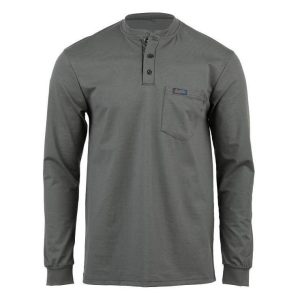
Get a Custom FR Clothing Quote from VisonSafety
How Layering Changes Arc Thermal Performance Value (ATPV)
Layering increases the ensemble’s apparent ATPV through a mix of material resistance and trapped air acting as insulation, which lowers heat flux to the wearer and extends time‑to‑burn. The ATPV of a layered system depends on each fabric’s thermal behavior, garment fit, and the volume of air gaps. Two 4 cal/cm² garments do not simply add to 8 cal/cm², but a well‑designed stack can offer materially higher protection than any single layer alone. For example, a 5 cal/cm² outer garment combined with a 3 cal/cm² mid‑layer and a controlled air gap can produce a protective effect notably greater than the outer layer by itself. Never use non‑FR undergarments that may melt or ignite — they can defeat the ensemble’s protection.
Fit and layer interaction matter: tight, compressed layers reduce air gaps and cut insulation, so sizing and garment cut should be part of your system specification. That understanding helps safety teams choose the right combinations for specific tasks.
Comfort and Versatility: Why Layering Helps Workers
Layering separates moisture management, insulation, and outer protection into distinct garments. An FR moisture‑wicking base layer keeps skin dry and lowers heat stress; a lightweight FR mid‑layer adds warmth and preserves air gaps without heavy bulk; an FR jacket or coverall provides the primary arc or flash protection and is chosen for ATPV and durability. When workers can adjust layers during a shift, they remain protected and productive across changing conditions.
These comfort benefits help balance safety goals with human factors — which improves consistent PPE use across different job sites and seasons.
What to Include in an FR Layering System: Base, Mid, Outer
A practical FR layering strategy divides the ensemble into three roles — base, mid, and outer — each with clear material and performance expectations. Base layers focus on moisture control and non‑melting construction; mid‑layers add insulation and maintain air gaps; outer layers deliver the highest ATPV and abrasion resistance. Favor inherently flame‑resistant fibers or properly certified treated textiles, and ensure hardware (zippers, snaps) is covered or FR to avoid secondary ignition points. The table below summarizes each layer’s role to help safety teams specify compatible garments quickly.
| Layer Role | Key Attribute | Typical Benefit |
|---|---|---|
| Base layer | Close fit, moisture‑wicking, inherently FR or certified non‑melting fibers | Manages sweat, keeps skin dry, supports comfort under other layers |
| Mid layer | Light insulating FR fleece or hoodie, designed to preserve air gap | Adds thermal resistance and boosts system ATPV without excess bulk |
| Outer layer | High‑ATPV FR jacket or coverall, rugged construction | Primary arc/flash protection and abrasion resistance for the worksite |
Use this comparison to match garment classes to task hazards and worker needs. Next, we’ll cover specific base‑layer requirements so each piece contributes to the layered system.
FR Base Layers: What to Require
Specify base layers made from inherently flame‑resistant fibers or certified FR treatments that won’t melt, drip, or support combustion. Base layers should manage moisture to limit conductive heat transfer to skin and fit snugly without compressing the body or restricting movement — preserving air gaps when mid and outer layers are added. Minimize seams and hardware that could concentrate heat, and request compatibility testing with outer garments to avoid surprises. Include breathability and durability in specs so workers accept the garments over time.
With base layers specified, you can focus mid‑layer selection on insulation versus breathability trade‑offs.
How FR Mid‑Layers Improve Insulation and Arc Protection
FR mid‑layers — hoodies, lightweight fleece, or quilted FR garments — add insulating bulk and create controlled air gaps that slow heat transfer during an arc event. Choose materials that balance warmth‑to‑weight and breathability so the mid‑layer raises ensemble ATPV without creating heat stress during routine work. Ensure mid‑layers are FR, free of flammable trims or non‑FR liners, and designed with layering in mind (articulated elbows, low‑profile zippers) to avoid bunching under outerwear. A properly chosen mid‑layer raises system ATPV and maintains compliance as conditions change.
That naturally leads to how standards treat layered systems — described next.
How Industry Standards Apply to Layered FR Apparel
Standards give guidance on materials, labeling, and test methods for layered FR systems, but they don’t always provide a simple recipe for combined ATPV across every configuration. Knowing each standard’s scope helps safety managers interpret test data for stacked garments. NFPA 70E guides electrical hazard assessment and arc‑flash PPE selection; NFPA 2112 covers flash‑fire garment performance for garment systems used in specific industries; and ASTM F1506 defines textile performance for electrical protective clothing. The table below matches each standard to its primary relevance for layered FR apparel.
| Standard | Regulates | Implication for Layering |
|---|---|---|
| NFPA 70E | Electrical safety and PPE selection | Guides hazard analysis and ATPV selection for ensembles |
| NFPA 2112 | Flash fire garment performance | Sets requirements for materials, seams, and garment systems |
| ASTM F1506 | Material performance for electrical clothing | Informs textile selection and labeling expectations |
These references point you to the right test data and labels when evaluating stacked systems. Next is a practical checklist to keep your layered ensembles compliant.
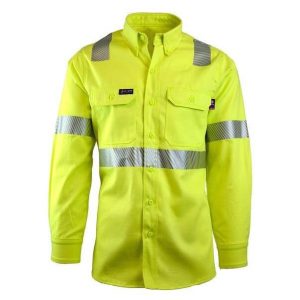
Get a Custom FR Clothing Quote from VisonSafety
What NFPA 70E, NFPA 2112, and ASTM F1506 Require for Layered Systems
Each standard addresses different pieces of the puzzle: NFPA 70E frames electrical hazard analysis and PPE category selection but expects employers to evaluate ensemble protection; NFPA 2112 defines flash‑fire garment system criteria including fabric and seam testing; ASTM F1506 specifies textile performance for electrical protective clothing. Verify garments are labeled with applicable standards and request manufacturer test data when planning stacked systems. Understanding how these documents overlap tells you when to seek manufacturer guidance or ensemble testing.
This regulatory context leads into a short, auditable checklist for stacking multiple FR layers.
Steps to Ensure Compliance When Layering FR Garments
Use a clear, auditable process when specifying layered FR systems so combined protection is defensible during audits and incident reviews. First, confirm each worn layer is certified FR and non‑melting. Second, collect manufacturer test data and labeling for every garment. Third, document the hazard assessment that justifies your chosen ATPV and layering approach. Fourth, consult manufacturers for guidance or request ensemble testing when combined ATPV is mission‑critical. Keep records of specifications and test reports to support procurement and regulatory reviews.
Following these steps lowers liability and increases confidence that stacked FR ensembles meet operational protection needs.
How Custom FR Solutions Strengthen Layering Performance
Custom FR manufacturing lets teams align fabrics, construction, and sizing to create coordinated layered systems that maximize protection while minimizing bulk and thermal stress. Manufacturers offering product development can pick materials optimized for moisture‑wicking base layers, insulating mid‑layers, and high‑ATPV outerwear, and they can engineer seam placement, closures, and trim to preserve insulating air gaps. VisonSafety designs certified FR apparel and custom safety clothing — shirts, jackets, coveralls, pants, hoodies, and vests — and partners with B2B clients to develop layered kits that match hazard assessments. For organizations that need validated ensemble performance, collaborating with a manufacturer provides test documentation and specification support to speed procurement and compliance.
The following sections describe common customization options and how to request a tailored quote for layered FR apparel.
Customization Options VisonSafety Offers for Layering
VisonSafety can tailor fabric selection, trims and hardware, sizing ranges, and branding/labeling to produce layer systems that meet specific ATPV targets and workplace needs. Options include choosing inherently FR fibers or certified treated textiles, specifying non‑melting trims, and setting size runs that preserve intended air gaps across your workforce. We provide certification and test documentation to support audits and can assemble layered kits — base, mid, and outer pieces — engineered to work together. These services address common B2B challenges around sourcing and compliance for layered FR systems.
Next, here’s how procurement or safety teams prepare for a custom quote.
How to Request a Custom Quote for Layered FR Apparel from VisonSafety
Prepare a short specification packet for a custom consultation: include your hazard assessment (incident energy or flash‑fire risk), desired garment types (FR shirts, hoodies, coveralls, etc.), performance targets (ATPV or specific certifications), and estimated annual volumes. Submit these details through VisonSafety’s contact channels and expect an initial consult that clarifies materials and sample timelines; the manufacturer will follow with a proposal and sample plan. Provide required certification and audit needs up front so test documentation can be included in the quote. Engaging VisonSafety early in spec development helps validate layered system performance and accelerates procurement.
This approach ensures B2B buyers receive coordinated, certified layered FR apparel built for their hazards and workforce.
Does FR Clothing Stack | FAQs
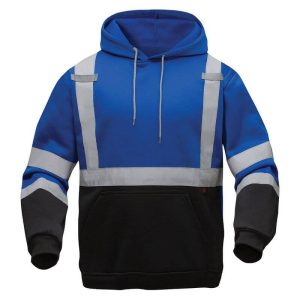
Get a Custom FR Clothing Quote from VisonSafety
What is the importance of moisture management in FR base layers?
Moisture management is critical. A moisture‑wicking FR base layer pulls sweat away from skin, reducing conductive heat transfer and lowering the risk of heat‑related injury during an arc event. Keeping the skin dry also improves comfort, so workers are more likely to wear the base layer consistently — which boosts overall safety compliance.
Can non-FR garments be used in a layered FR clothing system?
No. Non‑FR garments can melt or ignite and will compromise the whole ensemble. To preserve protection, every layer — base, mid, and outer — must be made from certified flame‑resistant materials.
How do environmental conditions affect the choice of FR layers?
Environmental factors matter. In hot, humid conditions choose breathable, moisture‑wicking base layers and lightweight mid‑layers; in cold environments select thicker insulating mid‑layers to retain warmth. Match layer choices to temperature, humidity, and job activity to balance protection and worker comfort.
What are the key considerations when selecting FR mid-layers?
Focus on insulation, breathability, and fit. The mid‑layer should add thermal resistance while allowing moisture to escape. It must be FR, free of flammable trims or liners, and sized to preserve air gaps without restricting movement. Layering‑friendly features — like articulated sleeves and low‑profile closures — help prevent bunching.
How can organizations ensure compliance with FR layering standards?
Follow a systematic process: verify each garment’s FR certification, collect manufacturer test data and labels, document hazard assessments that justify ATPV selections, and keep records for audits. Regular training and periodic reviews help maintain compliance. When in doubt, consult manufacturers about ensemble testing or documentation.
What role does customization play in enhancing FR clothing effectiveness?
Customization lets you align fabrics, trims, sizing, and labels so layers work together as a system. Tailored solutions reduce bulk, preserve insulating gaps, and meet ATPV or certification targets. Manufacturers can also supply the necessary test documentation to support procurement and audits.
How can workers adapt their FR layering systems to changing conditions?
Workers adapt by adding or removing layers based on weather and task demands: wear a single base layer in warm conditions, add mid‑layers for cooler temperatures, and use the outer garment for primary arc/flash protection. This flexibility keeps them comfortable and protected across different activities and climates.
Conclusion
Layering FR clothing is a practical way to increase protection while improving comfort and worker acceptance. By defining base, mid, and outer roles and following standards and documentation practices, organizations can specify layered systems that meet operational needs and regulatory expectations. For the best results, consult experts early to design a tailored system that balances ATPV targets with wearability. Explore VisonSafety’s customizable FR apparel to strengthen your safety program and simplify compliance.
 English
 Deutsch
 Français
 Polski
 Português do Brasil
 Español
 日本語
日本語 Русский
 العربية
 Italiano
 Nederlands
 Türkçe
 한국어
한국어