
Flame‑resistant (FR) clothing is engineered to resist ignition and self‑extinguish, lowering the risk of burn injuries for workers exposed to flash fires or arc flashes. This guide breaks down how FR garments work, what to look for on labels and fabrics, why third‑party certifications matter, and practical verification steps procurement teams and safety managers can use before placing orders. Correct identification closes compliance gaps, reduces liability, and ensures garments match your site hazard assessment—especially where ATPV and HRC values drive selection. Read on for straightforward checkpoints: visual cues, label decoding, certification overviews, differences between inherent and treated FR fabrics, and safe verification methods that distributors and buyers can use to evaluate gear with confidence. Throughout, we offer action‑oriented checklists, comparison summaries, and the documentation buyers should request from manufacturers to turn product claims into verifiable performance that fits your purchasing requirements.
What Are the Key Signs to Identify Flame Resistant Clothing?
The quickest indicators of FR clothing are the label language, certification marks, fabric composition, and any listed arc or ATPV/HRC ratings showing tested performance. Look for clear terms like “FR,” “Flame Resistant,” or “Designed to meet” followed by a standard name—those point to intended performance and testing scope. Construction details—tighter, heavier weaves, reinforced seams, and full‑coverage designs—also suggest protective apparel rather than standard workwear. Below are practical visual and label checks procurement teams can use when screening inventory before ordering or testing.
- Check the garment tag for explicit statements such as “FR” or “Flame Resistant” and any referenced standards.
- Confirm an arc rating (ATPV) or HRC designation on tags when selecting electrical hazard workwear.
- Read the fiber content for materials like meta‑aramid, modacrylic, or FR‑treated cotton blends.
- Inspect seams, closures and reinforcements for industrial‑grade construction consistent with protective garments.
Those visual checks help you narrow candidates for deeper verification. The next section explains how to decode the label details commonly found on FR clothing.
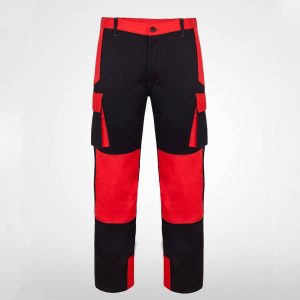
Get a Custom FR Clothing Quote from VisonSafety
How to Read FR Clothing Labels and Tags for Certification Marks
Labels and swing tags are the primary source for verifying FR claims: they often list the applicable standards, ATPV values, batch numbers and care instructions. Read tags for exact references such as NFPA 2112 or ASTM F1506 and numeric ATPV or HRC entries—an ATPV value (for example “ATPV 12 cal/cm²”) quantifies arc energy protection. Batch or lot numbers and a reference to a test report on the tag signal traceability to laboratory testing and let you request the supporting certificate. When tags include laundering limits or special care guidance, note that treated fabrics may need specific maintenance to preserve their FR properties.
Always request the PDF lab report cited on the tag and confirm the batch number matches the certificate; that step converts a visual claim into documented compliance.
What Fabric Types Indicate Flame Resistance in Workwear?
Fiber content tells you whether protection comes from inherent chemistry or from applied treatments. Common inherent fibers include meta‑aramid and modacrylic; FR cotton typically indicates a treated natural fiber. Inherent FR fabrics often feel structurally stable and can be lighter while retaining permanent resistance, whereas treated FR cotton usually feels like regular cotton but can be care‑sensitive. For procurement, seeing “meta‑aramid” or “modacrylic” on the content line suggests permanent FR properties; “FR‑treated cotton” signals the need for laundering controls and periodic retesting.
Knowing the fabric family helps match garments to their intended use: inherent fibers for high‑durability, high‑wash applications and treated blends where comfort is a priority and maintenance can be enforced.
Which Certifications Confirm Clothing is Flame Resistant?
Third‑party certifications define the hazards a garment is designed to protect against—flash fire, arc flash, or heat and molten metal exposure—and they form the basis of FR compliance. Standards such as NFPA 2112, ASTM F1506, EN 11612 and UL each target different hazards and test methods; labels and certificates tied to those standards are documents buyers should verify before purchase. The table below provides a concise summary of scope, test focus and typical label marks to help match standards to industry needs.
The following table summarizes major FR standards and buyer relevance:
| Standard | What It Applies To | Test Focus / Typical Label Mark |
|---|---|---|
| NFPA 2112 | Flash fire protective clothing | Flash‑fire testing; label will reference NFPA 2112 |
| ASTM F1506 | Arc‑rated textile materials | Arc thermal performance value (ATPV) / HRC markings |
| EN 11612 | Heat and flame protection (Europe) | Class codes for heat performance on EU labels |
| UL (various) | Product safety evaluation and listings | UL listing mark or reference to UL test reports |
This table helps purchasing teams map standards to specific workplace hazards and decide which certificates to request from suppliers.
VisonSafety integration: VisonSafety manufactures certified FR apparel that aligns with standards such as NFPA 2112 and ASTM F1506 and operates under ISO 9001 processes with documented testing protocols. Buyers can request certified samples and factory documentation to confirm lot‑level traceability and compliance.
What Do NFPA 2112, ASTM F1506, EN 11612, and UL Standards Mean?
Each standard addresses a specific hazard or market: NFPA 2112 covers flash fire protection and specifies garment design and testing commonly used in oil, gas and petrochemical industries. ASTM F1506 focuses on arc performance and is the reference when ATPV/HRC values determine PPE selection. EN 11612 defines heat and flame resistance under European protocols and communicates class‑based performance on EU labels. UL listings or certifications indicate third‑party evaluation that supports manufacturer claims with verified testing.
Buyers should map these standards to their site hazard assessment—NFPA for flash fire, ASTM F1506 for arc flash, and EN standards for European requirements—and request the corresponding test reports for confirmation.
How to Spot Certification Logos and Arc Ratings on FR Clothing
Certification logos and arc ratings usually appear on inner tags, swing tags or sewn labels and include the issuing body abbreviation plus numeric performance metrics such as ATPV. Seeing an ATPV number lets procurement match garment protection to calculated incident energy; HRC (Hazard/Risk Category) markings (for example, HRC 2) help guide PPE layering decisions. If you find logos without numeric ATPV values or a certificate reference, ask the supplier for the lab report and the lot or batch number tied to the tested sample.
Always confirm the tag’s batch number matches the documentation—traceability ensures the tested materials correspond to the garments you receive.
How to Differentiate Between Inherent and Treated Flame Resistant Fabrics?
Inherent and treated FR fabrics differ in protection mechanism, durability and care requirements: inherent FR fibers resist ignition due to their molecular chemistry and retain protection permanently, while treated FR fabrics rely on applied chemical finishes. Those differences affect lifecycle cost, maintenance and suitability for certain industries. The table below compares mechanism, durability and buyer considerations to guide procurement decisions.
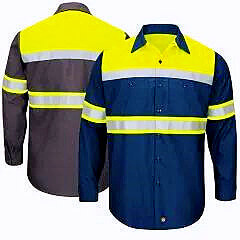
Get a Custom FR Clothing Quote from VisonSafety
Comparison of inherent vs treated FR fabrics:
| Fabric Type | Mechanism | Durability / Care |
|---|---|---|
| Inherent FR (e.g., meta-aramid, modacrylic) | Fiber chemistry resists ignition | Permanent resistance; high wash durability |
| Treated FR (e.g., FR cotton) | Surface-applied flame retardant chemicals | Effectiveness can decline; follow care instructions |
| Blends | Combined fiber properties | Balance comfort and protection; check test reports |
What Are the Characteristics of Inherent FR Fabrics?
Inherent FR fabrics carry protection in the fiber itself, so the flame resistance is permanent and does not wash out—making them ideal for high‑wear, frequently laundered garments. Fibers like meta‑aramid and modacrylic maintain ATPV ratings over the garment’s life and are common in heavy‑duty industrial workwear. Procurement teams favor inherent materials when long‑term durability and fewer retests are priorities. The next section explains treated fabrics for contrast.
How Do Treated FR Fabrics Achieve Flame Resistance?
Treated FR fabrics receive chemical finishes that reduce flammability by promoting charring or forming a protective barrier. This preserves the feel of natural fibers like cotton but requires controlled laundering to sustain performance. Buyers should follow care labels and request batch testing documentation because some treatments can degrade after repeated washes. Treated fabrics work well where comfort is important and maintenance programs can be enforced and monitored.
What Practical Steps Can You Take to Verify FR Clothing?
Start verification with non‑destructive checks—confirm tag claims, request test reports and verify batch traceability—before moving to sample testing or third‑party labs. The short checklist below helps procurement escalate verification from document review to independent validation when needed.
Checklist for verifying FR clothing:
- Label Audit: Confirm explicit standards and ATPV/HRC values are printed on tags.
- Documentation Request: Ask for lab reports, certificates and matching batch numbers.
- Sample Testing: Reserve the right to test samples or request factory test records before bulk orders.
These steps take you from basic visual validation to documented assurance. The table below links verification steps to their purpose and recommended actions.
| Verification Step | What It Checks | Recommended Action |
|---|---|---|
| Label audit | Claim presence and ATPV/HRC | Reject items lacking clear labels |
| Document review | Match certificates to batch numbers | Request PDF lab reports and CMRT as needed |
| Sample testing | Confirm performance in independent lab | Commission third-party testing when risk warrants |
VisonSafety integration: For buyers needing verified lots, VisonSafety provides 100 percent fabric batch testing and full QC services tied to documented certificates; procurement teams can request certified samples and technical consultation to confirm lot‑level compliance before placing custom or bulk orders.
Can You Test Flame Resistance at Home Safely?
No. Home flame tests with lighters or candles are unsafe, inconsistent and can destroy evidence needed to support certification claims. They also don’t mirror controlled lab methods like vertical burn or ATPV testing. Instead, request certified lab reports from the manufacturer, ask for third‑party test results linked to the garment’s batch number, or send samples to an accredited laboratory for standard testing. Professional testing gives you defensible results for compliance and procurement decisions.
Why Is Checking Arc Flash Protection Ratings Important?
Arc flash protection ratings—expressed as ATPV or HRC—measure the thermal energy a fabric can withstand and are critical when selecting garments that match an electrical hazard analysis. ATPV values indicate calorie thresholds tied to injury potential, while HRC categories help define required PPE ensembles. Match ATPV/HRC to your incident energy calculations so garments provide the necessary protection; when uncertain, obtain manufacturer test certificates and consider a higher ATPV margin for added safety.
How to Tell if Clothing is FR | FAQs
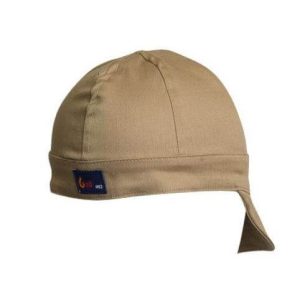
Get a Custom FR Clothing Quote from VisonSafety
What is the difference between arc ratings and HRC in flame resistant clothing?
Arc ratings and Hazard Risk Categories (HRC) are complementary. An arc rating, shown as ATPV (Arc Thermal Performance Value), quantifies how much thermal energy a fabric can withstand before it fails. HRC groups ATPV values into practical categories that guide PPE selection and layering. Using both lets you choose garments that meet calculated electrical hazard requirements.
How often should flame resistant clothing be retested for compliance?
Retest frequency depends on fabric type, wear patterns, laundering and manufacturer guidance. Treated FR fabrics typically require closer monitoring and more frequent testing because finishes can degrade with washing. Inherent FR fabrics retain their properties longer and usually need less frequent retesting. Follow manufacturer recommendations and perform regular inspections to maintain compliance.
Can flame resistant clothing be altered or repaired?
Altering or repairing FR clothing can affect its protective performance if not done correctly. Repairs should preserve the integrity of FR materials and follow manufacturer instructions. Use repair services experienced with FR fabrics and consult the manufacturer before making modifications—improper repairs can create safety risks and void compliance.
What are the common misconceptions about flame resistant clothing?
Common misconceptions include thinking all “flame resistant” garments provide equal protection and believing FR clothing is fireproof. Protection varies by fabric type, certification and test results. FR garments resist ignition and self‑extinguish, but they can still fail under extreme conditions. Understanding the limits and certified performance of each product is essential for safe selection.
How should flame resistant clothing be laundered to maintain its effectiveness?
Follow the manufacturer’s laundering instructions closely. In general, use mild detergents, avoid bleach and fabric softeners, and do not overheat during drying—these practices help preserve FR properties. Inspect garments regularly after laundering for wear or damage and remove items from service if their condition could compromise protection.
What role do manufacturers play in ensuring flame resistant clothing quality?
Manufacturers are responsible for designing garments to meet standards, conducting or commissioning rigorous testing, and providing accurate labeling and traceability. Reputable suppliers supply certificates, batch test reports and clear care instructions so buyers can verify performance. Strong manufacturer quality systems and transparent documentation are key to product reliability.
Are there specific industries that require flame resistant clothing?
Yes. Industries with elevated fire or electrical risks—such as oil and gas, electrical utilities, manufacturing and construction—routinely require FR clothing. Employers must assess workplace hazards and supply appropriate FR gear so workers remain protected and the organization stays compliant with safety regulations.
Conclusion
Correctly identifying flame‑resistant clothing is a practical step toward protecting workers and meeting regulatory requirements. By understanding labels, fabric types and certification marks—and by requesting the right documentation—procurement teams can make informed, defensible purchasing decisions. If you need help validating suppliers or reviewing certificates, explore our resources or contact our team. Start protecting your workforce today by reviewing certified FR options that align with your site’s hazard profile.
 English
 Deutsch
 Français
 Polski
 Português do Brasil
 Español
 日本語
日本語 Русский
 العربية
 Italiano
 Nederlands
 Türkçe
 한국어
한국어