
Short-sleeve flame‑resistant (FR) garments can be an appropriate option when chosen after a formal hazard assessment and specified to meet required arc‑flash or flash‑fire protections. This article lays out when short‑sleeve FR shirts are acceptable, how NFPA 70E and NFPA 2112 affect sleeve decisions, and how hazard metrics such as ATPV and incident energy determine acceptable sleeve length. You’ll get clear decision rules for short sleeves, guidance on layering with arc‑rated base layers, and manufacturing considerations for B2B buyers seeking compliant, climate‑sensitive workwear. We also describe custom short‑sleeve FR options from a certified manufacturer so procurement teams can balance comfort, cooling, and compliance. Expect straightforward regulatory comparisons, step‑by‑step hazard assessment guidance, product‑to‑policy mapping, and the manufacturing and testing details relevant to custom orders.
Are Short Sleeve FR Shirts Allowed Under NFPA 70E and Other Safety Standards?
Yes — short‑sleeve FR shirts are permitted in many workplaces when a hazard assessment shows limited forearm exposure and the selected garments meet the required ATPV or thermal protection. Standards prioritize incident‑energy‑based PPE selection rather than a fixed sleeve length, so sleeve choice follows the hazard profile and the hierarchy of controls. Employers should use NFPA 70E risk assessment results to determine the necessary PPE category and then specify garments with the appropriate arc rating and material performance. The next subsection summarizes how NFPA 70E and NFPA 2112 treat sleeve length and what that means for procurement.
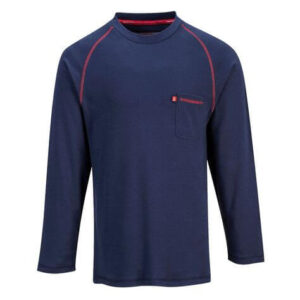
Get a Custom FR Clothing Quote from VisonSafety
What Do NFPA 70E and NFPA 2112 Say About Short Sleeve Flame Resistant Workwear?
NFPA 70E focuses on arc‑flash risk assessment and selecting PPE based on incident energy; it does not categorically require long sleeves but does require garments that provide the needed arc rating for the task. NFPA 2112 covers flash‑fire exposure and garment construction to reduce burn injury; it emphasizes material performance and seam integrity rather than prescribing sleeve length. Together, these standards require that any short‑sleeve FR garment used in hazard zones meet the applicable performance criteria (ATPV/arc rating or thermal protection) for the assessed exposure. Understanding these performance metrics leads directly to practical rules for when short sleeves are acceptable.
Different standards apply to sleeve decisions and their workplace implications:
| Standard | Sleeve Policy | Practical Implication |
|---|---|---|
| NFPA 70E | Risk‑based PPE selection | Short sleeves allowed if arc rating meets incident energy and appropriate controls are in place |
| NFPA 2112 | Performance and construction focus | Short sleeves acceptable if the garment withstands flash‑fire heat and seams/materials comply |
| OSHA (guidance) | Employer duty to assess hazards | Sleeve choice must follow a documented hazard assessment and the employer’s PPE program |
When Is Wearing Short Sleeve FR Clothing Permissible in Industrial Settings?
Short‑sleeve FR shirts are typically permissible for low‑energy tasks, non‑electrical maintenance performed outside the arc boundary, and office or supervisory roles inside controlled facilities where controls keep incident energy below garment thresholds. Employers should pair short sleeves with administrative or engineering controls and add targeted PPE (for example, forearm protection and gloves) when partial exposure exists. A simple decision rule is: if the assessed incident energy at the exposed area is below the garment’s ATPV and required controls are implemented, short sleeves can be used. That decision must be recorded in written PPE selection procedures and reinforced through training to ensure consistent, safe application.
Allowing short sleeves usually requires complementary measures—insulated tools, restricted access, or duty rotation—to limit exposure while preserving worker comfort in hot environments.
How Does Hazard Assessment Determine the Suitability of Short Sleeve FR Apparel?
A hazard assessment determines whether short‑sleeve FR apparel is suitable by quantifying incident energy, identifying exposure zones, and mapping required ATPV or HRC/CAT levels to garment choices. The process connects task type, equipment, and distance to live parts to a numeric incident energy value, which dictates the minimum arc rating for clothing. The assessment should produce a concise specification: required ATPV and a recommended sleeve length or layering approach. Below are practical steps for conducting that assessment and translating results into apparel specs.
- Identify the task and equipment: Record the operation, tools in use, and worker position relative to live parts.
- Calculate incident energy: Use accepted engineering methods to quantify energy at the worker location.
- Assign PPE level: Map incident energy to ATPV/HRC requirements and determine acceptable garment options.
- Specify controls: Add administrative or engineering measures if short sleeves are desired but protection is marginal.
This checklist ensures hazard metrics drive PPE choices and leads naturally into the factors that affect sleeve selection.
What Factors Influence Choosing Short Sleeve vs. Long Sleeve FR Clothing?
Key factors include measured incident energy/ATPV, the likelihood of splashes or flash‑fire exposure, task duration and movement, ambient heat stress, and available layering options. For example, routine administrative duties inside a secured substation with negligible arc energy favor short sleeves, while hands‑on work near live equipment generally requires long sleeves and higher ATPV garments. Heat, sweat management, and mobility needs can push a team toward short sleeves when incident‑energy‑based protections remain adequate. Evaluating these factors together produces a practical, site‑specific recommendation rather than a one‑size‑fits‑all rule.
A decision rooted in these considerations keeps worker safety front and center while recognizing real operational constraints like climate and task cadence.
Can Short Sleeve FR Shirts Be Used as Arc-Rated Base Layers?
Yes — short‑sleeve arc‑rated shirts can serve as base layers under an outer arc‑rated garment when the complete system meets the required ATPV and the outer layer provides forearm coverage. Layering combines protection from base and outer garments to reach the target ATPV, but manufacturers’ guidance must be followed because ATPV values are not simply additive. Use short‑sleeve base layers for comfort only when the outer sleeve coverage and tested layering system satisfy the incident energy requirement. Proper documentation of the layering system and training on correct garment assembly are essential for compliance.
When specified and tested as a system, layering strategies deliver cooling and mobility benefits while preserving protection.
What Custom Short Sleeve FR Apparel Solutions Does VisonSafety Offer for B2B Clients?
VisonSafety is a certified safety‑clothing manufacturer that supports B2B buyers with OEM and ODM short‑sleeve FR solutions matched to hazard assessment outcomes. We produce FR shirts in meta‑aramid and FR cotton blends, perform 100 percent fabric batch testing, and operate an ISO 9001 facility with reliable delivery. VisonSafety can advise on matching ATPV ratings to incident‑energy requirements, deliver custom branding and sizing, and offer DDP shipping, fast sampling, and dedicated after‑sales support to simplify global supply chains for distributors and brands.
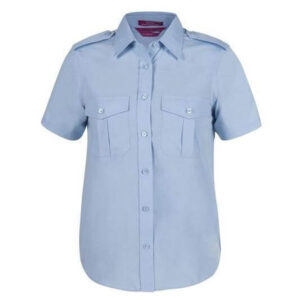
Get a Custom FR Clothing Quote from VisonSafety
Below is a compact comparison of custom short‑sleeve options to guide specification decisions:
| Shirt Option | Attribute | Value |
|---|---|---|
| FR Polo (short sleeve) | Material options | Meta‑aramid / FR cotton blends |
| Arc-rated T-shirt | Typical arc rating | Custom ATPV per order (factory testing) |
| Ventilated work shirt | Production features | Moisture‑wicking, lighter fabric weights |
How Does VisonSafety Ensure Compliance and Quality in Custom Short Sleeve FR Shirts?
VisonSafety maintains compliance through documented testing workflows, certificate alignment, and batch‑level fabric verification. Our process includes 100 percent fabric batch testing to confirm material performance, aligning garments with international standards such as EN, ANSI, NFPA, and UL, and providing sample approvals before full production. The ISO 9001 facility supports robust quality control, and our OEM/ODM capabilities let buyers adjust ATPV targets, seam construction, and labeling to meet regulatory needs. These quality steps help buyers integrate short‑sleeve FR garments into formal PPE programs with confidence.
Comprehensive documentation and sample‑driven validation reduce specification errors and simplify audits for B2B customers.
What Are the Benefits of Custom Short Sleeve FR Workwear for Hot Climates?
Custom short‑sleeve FR workwear improves comfort and productivity in hot climates by enabling lighter fabric weights, moisture‑wicking blends, and ventilation features without sacrificing the required arc rating when specified correctly. Options include breathable meta‑aramid blends, reduced fabric GSM where safe, and fit adjustments to increase airflow and mobility. Customization lets buyers balance ATPV requirements with thermal comfort to reduce heat stress while maintaining documented protection levels. These solutions are particularly valuable for organizations operating in high‑temperature regions that need compliant, practical uniforms.
Why Choose Short Sleeve Flame Resistant Workwear for Workplace Safety and Comfort?
Short‑sleeve FR workwear delivers measurable comfort and productivity gains where hazard assessments support its use: cooler microclimates, greater mobility, and fewer heat‑stress incidents. When garments are selected based on incident energy and paired with appropriate controls or layering, short sleeves can provide required protection while improving wearer acceptance. Procurement teams should weigh ATPV requirements, fabric performance (moisture‑wicking, breathability), and operational controls before approving short‑sleeve programs. The next section explains design and fabric features that preserve safety while improving comfort.
How Does Short Sleeve FR Clothing Improve Comfort Without Compromising Safety?
Design choices—moisture‑wicking finishes, ergonomic cuts, and lighter FR blends—reduce thermal burden while retaining arc or flash‑fire protection when ATPV targets are met. Manufacturers can specify meta‑aramid fibers or FR‑treated cotton blends optimized for breathability and durability, and add vents or gussets to boost airflow. Specifying the required ATPV and documenting how fabric choices meet that ATPV keeps comfort upgrades from undermining protection. Practical procurement language includes desired ATPV, fabric GSM, and test references to ensure safety remains the priority.
These design strategies let teams improve worker comfort while keeping a clear, test‑backed safety specification.
What Industries and Conditions Benefit Most from Short Sleeve FR Apparel?
Short‑sleeve FR apparel is most useful in utilities and field operations with low incident energy zones, light manufacturing where energized work is uncommon, hot‑climate construction tasks with administrative or non‑electrical duties, and supervisory roles inside controlled facilities. Each sector benefits when hazard profiles show minimal forearm exposure and when short sleeves are paired with documented controls—such as exclusion zones or insulated tooling. Procurement should match sleeve length to the typical task matrix for the workforce and record exceptions where long sleeves remain mandatory.
By aligning sleeve length with actual hazard profiles, organizations can improve worker comfort and compliance where appropriate.
Can FR Clothing Be Short-Sleeve | FAQs
What is the difference between arc-rated and non-arc-rated FR clothing?
Arc‑rated FR clothing is tested and rated to protect against electrical arc hazards, with an Arc Thermal Performance Value (ATPV) that indicates the level of protection. Non‑arc‑rated FR garments are flame resistant but are not certified to withstand electrical arc energy. Employers must assess workplace risks and choose garments that meet the protection needed for the specific hazards present.
How should employers conduct a hazard assessment for FR clothing?
Employers should follow a structured process: identify tasks and equipment, calculate incident energy, and map required ATPV levels to garment options. Document the work type, tools used, and proximity to live conductors. Quantifying risk and selecting appropriate PPE ensures workers are protected and that the employer meets regulatory expectations.
Are there specific industries that require short sleeve FR clothing?
Certain sectors—utilities, light manufacturing, and construction in hot climates—often find short‑sleeve FR clothing advantageous. These settings commonly involve low incident energy tasks or administrative roles where exposure risk is minimal. Employers in these industries can improve comfort and compliance by choosing short‑sleeve options that match their hazard assessments and safety protocols.
What are the key considerations when layering FR clothing?
When layering, ensure the combined system meets the required protection level for the task. The outer layer must cover exposed areas, and manufacturers’ guidance on layered systems must be followed because ATPV values don’t simply add together. Proper documentation and training on layering are essential to maintain compliance and worker safety.
How can custom short sleeve FR apparel enhance workplace safety?
Custom short‑sleeve FR apparel enhances safety by meeting specific hazard assessments while improving wearer comfort. Features like moisture‑wicking fabrics, ventilation, and lighter weights reduce heat stress and can boost performance. When these garments meet applicable standards, organizations gain both protection and practicality.
What role does moisture-wicking fabric play in FR clothing?
Moisture‑wicking fabrics move sweat away from the skin to help regulate body temperature and reduce heat stress—especially important in hot work environments. Combined with flame‑resistant properties, moisture‑wicking materials provide both protection and improved comfort, making them a strong choice for short‑sleeve FR apparel.
How can organizations ensure compliance with FR clothing regulations?
Organizations ensure compliance by running regular hazard assessments, maintaining a documented PPE program, training employees, and keeping garment specifications on file. Working with certified manufacturers that provide testing and certification helps, as do routine audits and updates to the PPE program to reflect changing workplace hazards.
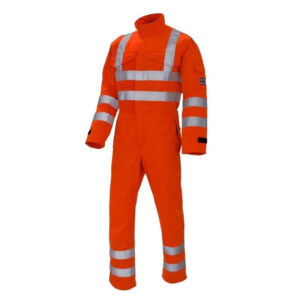
Get a Custom FR Clothing Quote from VisonSafety
Conclusion
Short‑sleeve flame‑resistant clothing can offer meaningful comfort and compliance benefits when selected from a thorough hazard assessment. By understanding the regulatory frameworks and performance metrics, organizations can make informed choices that protect workers without sacrificing comfort. Custom solutions from certified manufacturers like VisonSafety ensure garments meet specified ATPV targets while delivering the protection required. Explore our tailored short‑sleeve FR options to optimize safety and comfort in your workplace today.
 English
 Deutsch
 Français
 Polski
 Português do Brasil
 Español
 日本語
日本語 Русский
 العربية
 Italiano
 Nederlands
 Türkçe
 한국어
한국어