
Wearing untreated polyester beneath flame-resistant (FR) outerwear is unsafe — untreated polyester can soften, melt and stick to skin, turning a protective outer layer into a hazard that worsens burn severity. This guide explains why polyester and similar thermoplastics present melting and dripping risks, which base-layer materials are appropriate, and how standards and layered systems reduce exposure for workers facing arc flash or flash fire hazards. You’ll find clear material recommendations (inherent FR synthetics and FR‑treated natural fibers), practical layering and moisture‑management advice, and steps to confirm compliance with NFPA and ASTM requirements. Below we cover: the physical hazards of untreated polyester; recommended FR base-layer materials with a comparison table; key standards and procurement checks with EAV mapping; and system-level layering techniques that improve protection and comfort. The focus is practical, actionable guidance for safety managers, procurement teams, and B2B buyers evaluating FR base layers.
Why Is Untreated Polyester Unsafe Under Flame Resistant Clothing?
Untreated polyester is a thermoplastic that softens and melts at relatively low temperatures. When heat or flame reaches an untreated polyester layer under an FR outer garment, the polymer can liquefy and fuse to skin, increasing injury severity. Heat disrupts the polymer’s structure so it flows and forms molten droplets that adhere and transfer heat directly to tissue. This melt-and-stick behavior is a different hazard from ignition: a fabric that doesn’t burn can still cause severe contact burns by melting. Recognizing melting behavior is essential when specifying base layers so an otherwise protective outer garment doesn’t become a secondary burn source.
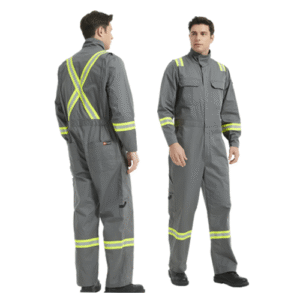
Get a Custom FR Clothing Quote from VisonSafety
What Are the Melting Hazards of Untreated Polyester Under FR Clothing?
Untreated polyester can melt and drip, producing hot liquid polymer that clings to skin and holds heat, resulting in deeper, more serious burns than ignition alone. Molten polyester acts like a hot adhesive: it can bond layers to skin, slow cooling, and complicate medical treatment. Even if an outer FR garment chars or self‑extinguishes, molten inner layers can still reach skin through seams or damaged outer fabric. For safety, avoid untreated thermoplastics as base layers and select fabrics that do not melt or drip when exposed to heat.
Which Synthetic Fabrics Should Be Avoided Under FR Apparel?
Common thermoplastic textiles that should not be used as base layers under FR clothing include polyester, nylon, rayon, and many acrylic blends because they can melt and drip. Blended fabrics are especially uncertain when labels are incomplete or certification is missing — when in doubt, assume melt risk unless documentation proves inherent FR behavior. Check fiber content labels and request material datasheets during procurement. Employers and purchasing teams should require base‑layer verification to prevent high‑risk synthetics from entering FR clothing systems.
What Are the Recommended Flame Resistant Base Layer Materials?
Safe FR base layers fall into two main groups: inherently flame‑resistant synthetics (for example, modacrylic and meta‑aramid) and FR‑treated natural fibers (such as treated cotton or wool). Inherent FR fabrics resist melting and typically self‑extinguish due to their chemistry, while treated natural fibers offer comfort and breathability but depend on the durability of their treatment. Choosing between these options requires balancing protection, moisture management and lifecycle performance based on the exposure type (arc vs. flash fire) and wearer needs. The table below compares common base‑layer materials on key attributes to support procurement decisions.
The following comparison highlights typical behaviors and selection factors:
| Material | Key Attribute | Typical Value |
|---|---|---|
| Modacrylic | Melting behavior | Does not melt; self‑extinguishes |
| Meta-aramid | ARC rating compatibility | High ATPV potential; durable under repeated use |
| FR-treated cotton | Comfort & wicking | Comfortable with good wicking; treatment effectiveness may decline after many washes |
This comparison shows that inherent FR synthetics deliver predictable non‑melting performance, while FR‑treated natural fibers trade some breathability and comfort for treatment‑dependent protection. When purchasing, require certification and test data to substantiate supplier claims.
How Do Inherently Flame Resistant Fabrics Like Modacrylic Protect You?
Inherently FR fibers such as modacrylic and meta‑aramid are built at the molecular level to resist ignition and avoid melting. They char or self‑extinguish rather than flow, which reduces the chance of molten material contacting skin and preserves insulating char layers. Properly specified and tested, inherent FR fabrics keep their protective properties through repeated laundering and provide consistent arc‑rated performance. For situations where melt and drip would increase injury, inherently FR base layers are generally the recommended choice.
What Are the Benefits of FR-Treated Natural Fibers Like Cotton and Wool?
FR‑treated natural fibers combine the comfort and breathability of cotton or wool with flame resistance applied by durable chemical treatments. These treatments change surface chemistry to limit ignition and flame spread, but effectiveness depends on application method and laundering care — treatment durability should be confirmed by testing. Treated natural fibers are a good option when softness and moisture management are priorities, provided buyers require certification, laundering instructions and batch testing to ensure ongoing protection.
What Are the Key Safety Standards and Layering Guidelines for FR Clothing?
Standards such as NFPA 70E and NFPA 2112, together with ASTM test methods and OSHA requirements, guide how organizations select and verify FR clothing systems and base layers. NFPA 70E covers arc flash PPE selection and ATPV/arc ratings; NFPA 2112 addresses flash fire protection and whole‑garment system behavior, including underlayers. ASTM fabric tests provide measurable performance metrics that procurement teams should request from suppliers. Employers should adopt policies that specify certified base layers, require documentation, and include laundering and inspection protocols to preserve FR performance over time.
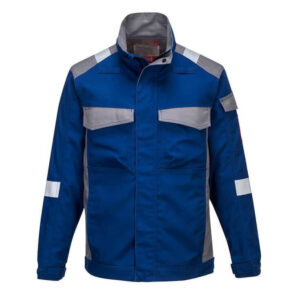
Get a Custom FR Clothing Quote from VisonSafety
The following EAV mapping ties standards to scope and layering guidance:
| Standard | Scope | Layering Guidance |
|---|---|---|
| NFPA 70E | Arc flash safety | Use certified arc‑rated base layers for electrical work; layering can change ATPV |
| NFPA 2112 | Flash fire protection | Undergarments must not increase burn severity; whole‑system testing is recommended |
| ASTM (relevant tests) | Fabric performance | Request tests for ignition, char length and melt behavior |
How Does NFPA 70E Define Arc Flash Layering Requirements?
NFPA 70E requires PPE selection based on predicted incident energy and recognizes that adding layers can alter system ATPV. The standard stresses the use of certified arc‑rated garments and clear documentation of selection methods. While layering can increase protection through added insulation and air gaps, it can also create untested combinations that change ATPV in unexpected ways. Employers should depend on certified layer combinations or apply conservative ATPV margins, and work with suppliers who provide tested system data. Practical procurement guidance: require ATPV ratings for intended layer combinations or select single garments rated above the predicted exposure.
What Does NFPA 2112 Say About Flash Fire and Undergarment Safety?
NFPA 2112 focuses on flash fire protection and states that undergarments must not worsen burn severity or melt. The standard recommends assessing whole‑garment system behavior so no layer undermines overall protection. For procurement, ask suppliers for test certificates and compatibility statements showing base layers were evaluated within representative systems. Practical compliance steps include documenting test results, specifying laundering procedures, and maintaining fabric batch traceability.
How Can Proper Layering Enhance Protection and Comfort Under FR Clothing?
Proper layering builds a system where each garment contributes to thermal resistance, moisture control and wearer compliance, improving both safety and comfort. Layering can increase insulation, create protective air gaps, and let moisture‑wicking base layers keep skin dry, reducing the risk of steam burns and improving endurance on longer shifts. The optimal combination depends on the hazard: electrical work emphasizes certified arc‑rated layers and ATPV, while flash‑fire environments prioritize non‑melting underlayers and short‑duration char behavior. Specifying tested combinations and understanding system interactions yields the most reliable field performance.
Practical layering improvements include the following:
- Use a certified, non‑melting base layer: Prevents molten‑contact burns and preserves outer garment performance.
- Add intermediate FR layers to increase ATPV: Layered insulation and controlled air gaps can raise system ATPV when validated by testing.
- Specify moisture‑wicking FR fabrics at the base: Reduces steam burn risk and improves comfort for extended wear.
What Is the Role of the “Air Gap” in Increasing Arc Rating?
An air gap between layers provides insulation that slows convective and conductive heat transfer, so it can raise a system’s arc thermal performance value (ATPV) when used correctly. The insulating effect depends on gap size, materials and garment fit; small, controlled air gaps between certified FR layers can boost protection without excessive bulk. Because air gaps introduce variability, their benefits should be validated by testing or conservative selection margins rather than assumed. Procurement and safety teams should request tested layer combinations or choose single garments rated above predicted incident energy.
Why Are Moisture-Wicking FR Base Layers Important for Safety and Comfort?
Moisture‑wicking FR base layers move sweat away from the skin, reducing wet clothing contact and the potential for steam burns while improving wearer comfort. Dry skin and fabrics lower conductive heat transfer and discomfort, which helps workers keep required PPE on for entire shifts and reduces heat‑stress incidents. Materials that combine inherent FR properties with wicking technology are preferable because they avoid melt risk while maintaining comfort. When specifying custom orders, include moisture‑management requirements in technical specs and request validation testing for combined FR and wicking performance.
VisonSafety provides manufacturing support for certified FR base layers and can source or produce both inherent FR and FR‑treated options to match specification needs, offering OEM and ODM flexibility for B2B clients. For purchasers seeking compliant base‑layer systems, VisonSafety supplies certifications, material traceability and batch testing to support procurement verification.
VisonSafety also helps buyers with compliance documentation and testing coordination to align base‑layer materials with NFPA and ASTM requirements, offering practical support for suppliers and distributors assessing system compatibility.
For project teams that need moisture‑wicking, non‑melting base layers, VisonSafety can produce custom samples and layered‑system prototypes; request a sample or quote to validate comfort and performance before placing bulk orders.
VisonSafety is a global manufacturer based in Ningbo, China, specializing in custom safety apparel with comprehensive certifications and services to support compliant procurement. Our production workflow includes rapid sampling, batch testing, material traceability, and DDP shipping to simplify B2B supply. Contact VisonSafety to discuss custom FR base layers, request certified samples, or get quotes for bulk OEM/ODM orders.
Can You Wear Untreated Polyester Under FR Clothing | FAQs
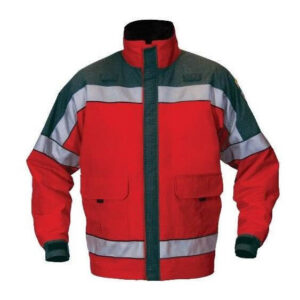
Get a Custom FR Clothing Quote from VisonSafety
What are the risks of wearing untreated polyester in high-heat environments?
Untreated polyester is thermoplastic and can melt when exposed to high temperatures or flame. Melted polymer can adhere to skin, causing severe contact burns that are often worse than burns caused by ignition. Because of this melting hazard, untreated polyester is not suitable as a base layer under FR clothing — choose non‑melting alternatives to reduce injury risk.
How can I ensure compliance with safety standards when selecting FR clothing?
To ensure compliance, familiarize yourself with NFPA 70E and NFPA 2112 and request documentation from suppliers that verifies conformance. Ask for fabric test reports, ATPV/arc ratings where relevant, and statements about laundering durability. Implement procurement policies that require certified materials, documented testing, and periodic inspections to maintain protection over time.
What should I look for in moisture-wicking FR base layers?
Look for materials that combine inherent FR properties or validated FR treatments with effective moisture‑management. Ideal base layers wick sweat away from skin while resisting melt and maintaining FR performance after laundering. Verify both FR and wicking claims with supplier test data, and consider breathability and durability for extended wear.
Can layering improve the effectiveness of FR clothing systems?
Yes. Proper layering can increase insulation, create protective air gaps, and improve moisture control — all of which enhance thermal protection and wearer comfort. That said, layering changes system behavior, so use certified combinations or conservative ATPV margins and confirm performance with testing rather than assuming additive protection.
What are the benefits of using inherently flame-resistant fabrics?
Inherently FR fabrics such as modacrylic and meta‑aramid are designed to resist ignition and not melt. They typically char or self‑extinguish, reducing the risk of molten material contacting skin, and they retain performance through repeated laundering. This predictability makes them a strong choice for high‑risk environments.
How do I verify the performance of FR-treated natural fibers?
Request supplier test reports and certifications that demonstrate the treatment’s effectiveness and durability after repeated washes. Ask about the treatment method and laundering recommendations, and insist on batch traceability and periodic retesting to ensure treated fibers consistently meet performance expectations.
What role does the air gap play in FR clothing systems?
An air gap adds insulating value by slowing heat transfer, which can increase a system’s ATPV when properly designed. Its effectiveness depends on gap size, materials and fit, so air gaps should be validated by testing or accounted for with conservative selection margins rather than treated as a guaranteed performance boost.
Conclusion
Untreated polyester under FR clothing creates a real melting hazard that can amplify burn injuries. Choosing inherently flame‑resistant fabrics or FR‑treated natural fibers, verifying supplier test data, and specifying appropriate layering strategies are key steps to protect workers. Confirm standards compliance, require documentation, and select tested or conservatively rated layer combinations to preserve the integrity of your protective system. Explore VisonSafety’s certified FR base layers to outfit your team with reliable, comfortable protection.
 English
 Deutsch
 Français
 Polski
 Português do Brasil
 Español
 日本語
日本語 Русский
 العربية
 Italiano
 Nederlands
 Türkçe
 한국어
한국어