
Treated FR clothing is typically made from cotton or cotton-rich blends that receive a chemical finish to change how fibers char, ignite, or self‑extinguish. This guide breaks down which chemicals are used, how those finishes attach to common fibers like cotton, and what that means for durability, wash‑life and procurement choices for B2B buyers. You’ll get a clear overview of the main chemical classes, the real differences between treated and inherent FR, the fabrics most often treated, and how manufacturers prove compliance with standards such as NFPA and EN. The following sections cover treatment chemistries and bonding mechanisms, a side‑by‑side durability comparison of treated versus inherent FR, common fabric bases and trade‑offs, plus how VisonSafety supports customization, greener finishes, testing and certification assistance.
What chemicals are used to treat FR clothing?
Treated flame‑resistant garments rely on families of chemicals that either promote char formation, dilute flammable gases during decomposition, or form a protective surface layer on the fiber. These treatments alter thermal decomposition pathways or create a barrier that slows heat transfer, reducing ignition and flame spread. The big practical advantage is that breathable, comfortable fabrics can meet protective standards without switching to inherently flame‑resistant fibers—making cost‑effective PPE solutions possible. Knowing the underlying chemistries helps procurement teams choose finishes that balance durability, environmental impact and fabric hand.
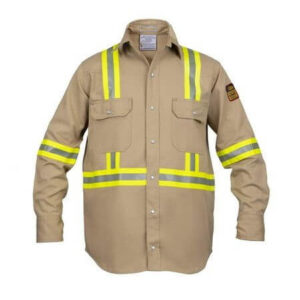
Get a Custom FR Clothing Quote from VisonSafety
Which flame retardant chemicals are commonly applied?
The most common textile FR treatments fall into phosphorus‑based systems, nitrogen‑containing additives, and modern halogen‑free polymeric finishes applied as durable finishes or coatings. Phosphorus chemistries encourage char and are well suited to cellulosic fibers because they bond with hydroxyl groups and leave a carbonaceous residue that slows flaming. Nitrogen‑containing ingredients often work synergistically with phosphorus to boost char and reduce smoke. Older halogenated chemistries (chlorinated or brominated) are largely phased out for environmental reasons; today’s halogen‑free polymeric finishes give better ecological profiles while still delivering required protection.
- Phosphorus‑based finishes: encourage char formation on cellulose fibers.
- Nitrogen‑containing compounds: boost char and can reduce smoke when paired with phosphorus.
- Halogen‑free polymeric finishes: replace legacy halogenated chemistries for improved environmental performance.
These categories help specification teams weigh trade‑offs between durability, cost and eco‑impact when choosing a finish.
| Treatment Class | Mode of Action | Typical Fabrics |
|---|---|---|
| Phosphorus‑based | Promotes char; can act as an acid catalyst during decomposition | Cotton, cotton blends |
| Nitrogen‑containing | Enhances char formation and helps dilute flammable volatiles | Cellulosic fibers and some synthetics |
| Halogen‑free polymeric | Forms a protective surface coating; lower environmental burden | Cotton blends, synthetic‑rich fabrics |
The table summarizes core treatment classes, how they work and which fabric families they pair with—useful for practical specification decisions.
VisonSafety supplies halogen‑free and phosphorus‑based treatment options and verifies performance through comprehensive testing. Our ability to test fabric batches and trace materials gives procurement teams confidence in environmental claims and flame performance. Evaluating treatment chemistry early helps determine whether an eco‑friendly finish will meet a project’s durability and compliance requirements.
How durable is treated FR fabric compared with inherent FR?
Treated FR relies on a surface or chemically fixed finish, so it’s generally less intrinsically permanent than inherent FR fibers, where flame resistance is built into the polymer. Inherent fibers such as meta‑aramid or modacrylic retain protection through many wash cycles and abrasion events. Well‑engineered treated fabrics can remain protective for a garment’s service life, but longevity depends on fixation chemistry, application method and laundering. The trade‑off is clear: treated FR often delivers better comfort and lower cost, while inherent FR offers higher permanence and a more predictable lifetime.
How long does an FR treatment last on clothing?
Service life for treated FR varies with the finish chemistry and care regime—properly fixed treatments can persist for dozens to several hundred industrial or domestic wash cycles. Durable finishes use cross‑linking chemistries and resin systems to anchor flame retardants to cellulose hydroxyl groups (important for cotton), which improves wash‑life. Harsh industrial laundering, heavy abrasion and aggressive detergents accelerate finish loss and reduce FR performance. Best practice is to follow manufacturer wash instructions and schedule retesting to confirm continued compliance.
- Typical lifespans range from limited‑cycle finishes to garment‑life durability depending on chemistry and care.
- Cross‑linkers and fixation systems improve wash resistance on cellulosic fibers.
- Industrial laundry protocols and abrasion are the main factors that shorten treatment life.
Routine inspection and periodic performance testing are essential for planning replacements and ensuring wearer safety.
Does treated FR clothing lose its flame resistance over time?
Yes—treated finishes can degrade, leach or be abraded away, which reduces protection. Modern fixation methods and certified finishes, however, can preserve expected protection throughout the garment’s intended use. Common degradation routes include hydrolysis, mechanical wear and removal by strong detergents or solvents. Certification tests and wash‑life protocols provide objective metrics for how long a treated garment will meet standards. Procurement teams should adopt inspection criteria and scheduled retesting to determine when retreatment or replacement is required.
- Degradation mechanisms: hydrolysis, abrasion and detergent‑induced removal.
- Certification‑backed wash‑life claims provide objective replacement planning metrics.
- Inspection triggers include visible wear, compromised fabric integrity or failed performance tests.
VisonSafety’s QA program includes fabric batch testing and material traceability, helping buyers validate lifespan claims and maintain compliance across production lots. Our 100% fabric batch testing and traceability documentation support lifecycle and procurement requirements.
What fabrics are typically treated for flame resistance?
Most treated FR fabrics are cotton, cotton‑rich blends and some synthetic‑rich constructions that accept finishes while preserving wearer comfort. Cotton is a common base because cellulose chemistry bonds with many FR finishes and it delivers breathability and dyeability that help with comfort and branding. Blends like cotton/nylon change mechanical and thermal behavior—often improving abrasion resistance at the expense of some finish uptake. Selecting the right base is a balance of comfort, cost and the level of FR performance required for the application.
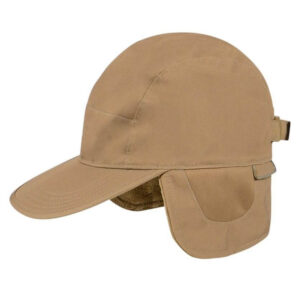
Get a Custom FR Clothing Quote from VisonSafety
Why is cotton commonly used for treated FR clothing?
Cotton is frequently chosen because cellulose provides reactive sites for flame retardants to form durable attachments, making phosphorus‑ or nitrogen‑based finishes effective. Cotton also offers comfort, moisture management and dyeability that support end‑user acceptance and brand requirements. For high‑volume buyers, cotton’s availability and cost profile make it an attractive base for treated FR workwear. Care must be considered though—cotton‑based finishes are sensitive to harsh detergents and industrial processes.
- Cotton bonds well with reactive FR chemistries via cellulose hydroxyl groups.
- Comfort, breathability and dyeability improve wearer acceptance and branding.
- Procurement should factor laundering constraints for treated cotton garments.
What are the differences between treated cotton and cotton/nylon blends?
Cotton/nylon blends alter how a finish distributes and change the fabric’s behavior under heat and abrasion. Nylon improves abrasion resistance and tensile strength—useful for rugged workwear—but it can accept finishes differently than cotton, producing variation in wash‑life and char behavior. Blends can strike a practical balance between comfort and durability, but final fabric testing is essential rather than assuming finish performance will transfer exactly from pure cotton to blended constructions.
- Blends increase abrasion resistance and tensile strength compared with pure cotton.
- Nylon affects char formation and may require different finish chemistries.
- Test the final fabric construction to confirm expected FR performance in blends.
| Fabric Type | Typical Benefit | Consideration for FR Treatment |
|---|---|---|
| Cotton | Comfort, breathability and dyeability | Requires fixation chemistries for durable finishes |
| Cotton/Nylon Blend | Improved abrasion resistance and strength | Finish uptake may be uneven; final testing required |
| Synthetic‑rich | High durability and mechanical strength | May need specialized polymeric or coating finishes |
This comparison helps buyers choose fabric bases that balance comfort, durability and finish compatibility for their specific industry needs.
How does VisonSafety customize and certify treated FR clothing?
VisonSafety delivers OEM/ODM production of certified custom safety apparel—FR shirts, jackets, coveralls, pants, hoodies and vests—built to your specifications. Our customization process includes fast sampling, flexible order quantities from small runs to large production, and reliable mass‑production timelines. We support certification pathways for global standards (EN, ANSI, NFPA, UL) and perform 100% fabric batch testing with multi‑year material traceability to ensure consistent compliance between lots. Logistics options like DDP shipping can lower client costs, and our quality controls verify that finished garments meet the required performance metrics.
What eco‑friendly FR treatments does VisonSafety use?
VisonSafety offers greener treatment options such as halogen‑free and modern phosphorus‑based finishes designed to reduce environmental impact while maintaining flame performance. We pair treatment selection with rigorous validation—fabric testing and quality checks—to substantiate both environmental and performance claims. Buyers receive batch testing documentation and traceability records to support procurement audits and regulatory reviews. That combination of greener chemistries and traceable QA lets brands specify sustainable FR solutions without compromising safety.
| Product Type | MOQ / Sample Timeline | Certification Support | QA Measures |
|---|---|---|---|
| FR Shirts & Jackets | Flexible MOQ; fast sampling (5–10 days) | EN, ANSI, NFPA, UL assistance | 100% fabric batch testing; traceability |
| Coveralls & Pants | Scalable production (20–30 business days) | Certification documentation support | Full quality control; material traceability |
| Hi‑Vis FR Vests | Small orders up to mass production | Standards compliance assistance | On‑time production checks; testing |
The table summarizes VisonSafety capabilities relevant to procurement and production planning for B2B customers.
Which certifications ensure the safety of treated FR apparel?
Important certifications for treated FR apparel include NFPA 2112 for flash‑fire protection, ASTM/ANSI standards for arc and electrical hazard performance, EN ISO standards in Europe, and UL recognition as independent test validation. Each standard targets different hazards and test methods: NFPA addresses flash‑fire scenarios, ASTM/ANSI define arc ratings and ATPV values, and EN ISO covers European performance criteria. VisonSafety helps clients choose the right standard and supports testing and documentation to meet buyer and regional regulatory needs—streamlining the path from prototype to certified production.
- NFPA 2112: verifies flash‑fire protective performance for garments.
- ASTM/ANSI: defines arc rating and electrical hazard testing (ATPV, IEC/ASTM methods).
- EN ISO: provides European compliance pathways and performance metrics.
VisonSafety’s mix of OEM/ODM services, flexible MOQs, fast sampling, dependable production timelines and DDP shipping options is designed to help brands and distributors move from specification to compliant production efficiently. Our testing and traceability practices make it straightforward to demonstrate certified performance across manufacturing batches.
What Is FR Clothing Treated With | FAQs
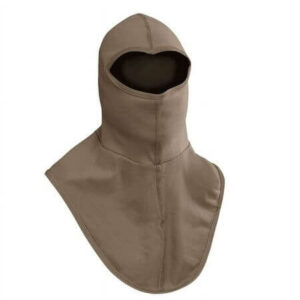
Get a Custom FR Clothing Quote from VisonSafety
What is the difference between treated FR clothing and inherent FR clothing?
Treated FR clothing gets its protection from a chemical finish applied to the fabric surface or fiber; inherent FR clothing has flame resistance built into the fiber polymer itself. That means inherent FR fibers—like meta‑aramid or modacrylic—retain protection through many wash cycles and wear, while treated fabrics can lose effectiveness if the finish degrades. When choosing between the two, consider the trade‑offs in comfort, cost and longevity for your specific use case.
How can I ensure the longevity of treated FR clothing?
Follow the manufacturer’s care instructions, use approved laundering methods and avoid harsh detergents or solvents that strip finishes. Schedule regular inspections for visible wear and periodic retesting to confirm continued performance. Knowing the treatment chemistry used also helps set realistic expectations for maintenance and service life.
Are there specific industries that benefit most from treated FR clothing?
Yes—industries such as oil & gas, electrical utilities, manufacturing and construction commonly use treated FR because it offers good comfort and breathability for long shifts. Treated FR can be cost‑effective for large workforces while still meeting hazard‑specific requirements when specified and tested correctly.
What are the environmental impacts of treated FR clothing?
Environmental impact depends on the chemistry used. Modern options—halogen‑free and certain phosphorus‑based finishes—reduce harmful effects compared with legacy halogenated treatments. Buyers should request transparency and supporting documentation; suppliers like VisonSafety provide batch testing and traceability to back environmental and safety claims so procurement can align with sustainability goals.
How does VisonSafety support compliance with FR clothing standards?
VisonSafety guides clients through relevant standards (NFPA, ASTM/ANSI, EN ISO), offers certification support and conducts rigorous testing—including 100% fabric batch testing and traceability—to verify compliance during production. That support simplifies moving a design from sample to certified mass production.
What should I consider when selecting fabrics for treated FR clothing?
Key considerations are comfort, durability and the specific FR properties required for the intended hazard. Cotton bonds well with many finishes and offers breathability and dyeability; blends like cotton/nylon add abrasion resistance but may change finish uptake. Always test the final fabric construction under expected field and laundering conditions to confirm performance.
Conclusion
Choosing the right treatment and fabric is central to delivering safe, comfortable and cost‑effective FR workwear. With the right chemistry, fixation and testing, treated FR can meet operational needs while offering wearer comfort. VisonSafety’s eco‑friendly options, rigorous testing and traceability give procurement teams the confidence to specify treated FR solutions that meet both safety and sustainability goals. Contact us to explore customizable safety apparel that fits your requirements.
 English
 Deutsch
 Français
 Polski
 Português do Brasil
 Español
 日本語
日本語 Русский
 العربية
 Italiano
 Nederlands
 Türkçe
 한국어
한국어