
Flame‑resistant (FR) clothing is specialized workwear engineered to resist ignition, self‑extinguish, and slow heat transfer to the skin—helping protect employees from the thermal hazards that cause burn injuries. This guide explains what FR clothing does, how it works, and why safety teams and employers invest in certified garments to reduce injury severity and meet regulatory requirements. You’ll find clear explanations of the protection mechanisms, measurable benefits such as lower medical costs and reduced operational downtime, common fabric choices and the trade‑offs between inherent and treated FR, and the industries and roles that most often require FR apparel. The sections that follow break down the primary safety purpose of FR clothing, outline compliance implications, compare common materials, and link industry needs to practical garment choices. That context helps procurement and safety teams select the right FR clothing for specific hazards and justify the investment with safety and business outcomes.
What Is the Main Purpose of FR Clothing in Worker Safety?
The primary purpose of FR clothing is to prevent or limit burn injuries by resisting ignition and reducing heat transfer during short‑duration thermal events—thereby lowering burn severity and the risk of catastrophic injury. FR performance comes from materials that char and insulate, self‑extinguish, or avoid melting and dripping, maintaining a thermal barrier between the hazard and the skin. The practical benefits include lower medical and recovery costs, faster return to work, and stronger regulatory compliance for employers. Below are the main protective mechanisms FR clothing provides.
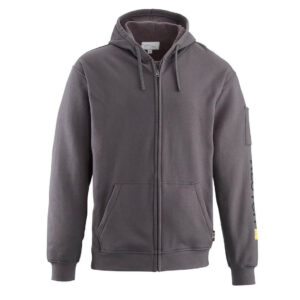
Get a Custom FR Clothing Quote from VisonSafety
- Self‑extinguishing behavior: Fabrics that stop burning once the heat source is removed, limiting ongoing tissue damage.
- Char formation / insulation: Materials that char create an insulating layer that slows heat transfer to the skin.
- Reduced melting/drip: Non‑melting fibers prevent additional burns caused by molten fibers or plastics.
These mechanisms explain why FR apparel is a foundational element of PPE for thermal hazards and how different garments and materials target different incident types.
How Does FR Clothing Protect Workers from Thermal Hazards?
FR clothing uses material science and garment design to interrupt ignition and slow heat transfer—through fiber chemistry that chars rather than fuels a fire, layered constructions that increase insulation, and finishes that control flame spread. For example, in a flash fire an FR coverall can self‑extinguish almost immediately and reduce the heat that reaches the skin, lowering the chance of second‑ or third‑degree burns. FR garments don’t make a wearer immune to heat; they change the outcome of brief exposures and buy critical seconds for escape or rescue. That’s why selecting garments that match the expected hazard type and exposure duration is essential.
What Types of Burns and Fires Does FR Clothing Guard Against?
FR clothing is most effective for short‑duration thermal events such as flash fires, electrical arc flashes, and brief radiant or convective heat exposures. In flash fires—rapid flame spread through a fuel‑air mix common in oil and gas—FR fabrics reduce flame contact time and burn depth. Arc flashes emit intense thermal energy and require arc‑rated materials that limit incident energy transfer and reduce severe burns. FR apparel is less suited for prolonged direct flame exposure, deep contact with molten metals, or entry into fully developed structural fires—situations that call for specialized turnout gear—so a proper hazard assessment should guide garment choice.
What Are the Key Benefits of Wearing Flame Resistant Clothing?
Certified FR clothing provides measurable value to workplace safety programs by combining physical protection, compliance support, and operational advantages that justify procurement. At its core, FR apparel reduces burn severity, helps companies meet standards, and delivers long‑term protection through durable construction—translating to lower injury costs and steadier workforce availability. The list below summarizes the primary benefits organizations can expect from a certified FR clothing program.
- Reduced Injury Severity: FR garments limit the depth and extent of burns in flash fire and arc flash incidents.
- Regulatory Compliance: Certified apparel helps document that employers provided appropriate PPE under applicable standards.
- Operational Resilience: Durable FR clothing reduces replacement frequency, minimizes downtime after incidents, and supports continuous operations.
- Worker Adoption and Comfort: Comfortable, well‑designed FR garments improve wear rates and therefore real‑world protection.
Below is a practical comparison that links common hazard types to the protection outcomes FR clothing delivers.
This table maps hazard types to protection outcomes delivered by FR clothing.
| Hazard Type | Protection Outcome | Practical Mitigation |
|---|---|---|
| Flash fire | Reduced burn severity | Self‑extinguishing fabrics limit flame contact time |
| Arc flash | Lower incident energy transfer | Arc‑rated materials reduce heat delivered to the body |
| Radiant/convective heat | Decreased heat absorption | Insulating char layer slows skin temperature rise |
Matching garment performance to hazard type delivers targeted safety outcomes and informs the compliance requirements employers must meet when specifying FR apparel.
VisonSafety supplies certified FR shirts, coveralls, jackets, pants, hoodies, and vests as B2B solutions designed to meet these protection outcomes; we focus on custom manufacturing and global supply to match procurement specifications. Buyers who need certified FR product lines or scalable manufacturing for uniform programs can submit a direct inquiry to discuss custom options and volume needs.
How Does FR Clothing Ensure Compliance with Safety Standards?
Certified FR garments are central to meeting standards such as NFPA 70E (electrical safety), NFPA 2112 (flash fire protection), and ASTM F1506 (electrical performance). Certification means a product has been tested against specific criteria—flame resistance, char behavior, and ATPV/arc ratings where applicable. Employers use labeled, tested FR clothing to document PPE provision, support internal audits, and demonstrate due diligence. Procurement teams should request test documentation and visible product labeling to validate claims. Choosing compliant garments lowers employer liability and clarifies training, inspection, and maintenance requirements around FR clothing.
Why Is Durability and Comfort Important in FR Apparel?
Durability and comfort affect both how long a garment provides protection and whether workers actually wear it. Robust fibers and construction preserve FR properties through repeated laundering, while ergonomic design and breathable fabrics make daily wear practical. Uncomfortable or poorly fitting FR garments are less likely to be used consistently, which undermines protection and raises risk. Procurement should balance fabric weight, care requirements, and fit to maximize lifecycle protection and total cost of ownership.
What Are the Common Types of Flame Resistant Fabrics Used in FR Clothing?
Common FR fabrics fall into two categories: inherently flame resistant fibers, whose chemistry delivers permanent protection, and treated fabrics that receive a chemical finish to impart FR performance. Inherent fibers—such as aramids (Nomex) and certain modacrylics—keep their protection through laundering. Treated FR cotton is a cost‑effective, breathable option for lower‑risk roles but can lose its FR properties after repeated washes. Choosing between these options depends on exposure type, maintenance practices, and wearer comfort to ensure the garment’s performance matches the job hazard.
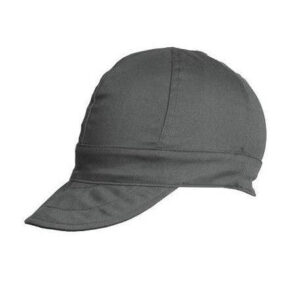
Get a Custom FR Clothing Quote from VisonSafety
Different FR fabrics offer distinct properties that influence selection for job conditions.
| Material | Key Property | Practical Implication |
|---|---|---|
| Nomex / Aramid | Inherently FR, high heat resistance | Well suited for arc flash and high‑heat tasks |
| Kevlar (blend) | High strength, cut resistance | Useful where mechanical hazards coexist with thermal risk |
| FR cotton (treated) | Comfortable, breathable | Appropriate for lower‑intensity or short‑duration exposures |
| Modacrylic blends | Inherent FR with softness | Balances comfort and inherent protection for extended wear |
This comparison helps procurement prioritize materials by performance needs and worker acceptance, and it leads into the practical differences between inherent and treated FR options.
VisonSafety offers industry‑standard material choices and customization in fabric weights and blends to meet project specifications, bridging material selection to available garment lines for uniforms and workwear.
What Is the Difference Between Inherently FR and Treated FR Fabrics?
Inherently FR fabrics are built from fibers with molecular properties that resist ignition—so protection is permanent and generally holds up through launderings. Treated FR fabrics receive a chemical finish that provides flame resistance; these can offer good initial protection and comfort but may degrade after repeated washing or abrasion, which requires stricter maintenance and replacement planning. Procurement teams should favor inherent FR for high‑exposure or long‑service garments and consider treated FR for lower‑risk roles where breathability and lower upfront cost are priorities. That decision informs vendor specs and lifecycle planning for uniform programs.
Which Materials Are Most Effective for Flame Resistance?
Materials such as Nomex and aramid blends are top choices for sustained thermal and arc protection thanks to their thermal stability and char behavior—making them ideal for electrical and high‑heat work. Modacrylic and certain inherent blends offer a compromise between comfort and protection for roles that require extended wear and mobility. Treated FR cotton provides moderate protection with strong comfort characteristics but needs tighter laundering control to maintain performance. The practical guidance: prioritize inherent FR where incident energy or flash‑fire potential is high, and document care procedures for any treated FR garments.
Which Industries Require Flame Resistant Clothing and Why?
Many industries require FR clothing because their processes create flash fire, arc flash, or radiant heat hazards that can cause severe burns. Oil and gas operations face flash fire and hydrocarbon risks that justify coveralls and flame‑resistant outerwear; electrical utilities and construction need arc‑rated shirts, coveralls, and layered systems to address arc‑flash energy; and manufacturing and metalworking environments rely on durable FR garments to protect against sparks, molten splash, and high‑temperature operations. The list below links common industries to the primary reasons they specify FR apparel.
- Oil & Gas: Flash‑fire risk from hydrocarbon processes and open flames.
- Electrical / Utilities: Arc flash hazards from energized equipment and lines.
- Manufacturing & Metalworking: Sparks, molten material splash, and high‑temperature operations.
These mappings help safety managers align garment specifications with the dominant hazards in their operations and lead into role‑level garment recommendations.
How Does FR Clothing Address Safety Needs in Oil and Gas, Electrical, and Manufacturing Sectors?
In oil and gas, FR coveralls and layered outerwear protect workers from flash fires that can spread rapidly—self‑extinguishing fabrics reduce burn severity and improve chances for escape or rescue. In electrical work, arc‑rated shirts and suits are chosen for their ATPV values to limit incident energy transfer during faults, reducing severe burns and enabling safer rescue. In manufacturing and metalworking, robust FR outerwear and aprons guard against sparks and molten splash; here durability and correct fiber choice prevent material failure under repeated mechanical stress. Each sector needs a hazard assessment to align garment performance with exposure types and maintenance practices.
This sector‑level mapping leads naturally into the specific roles that commonly use FR apparel and the garment pairings that work best for those roles.
What Roles and Job Functions Typically Use FR Apparel?
Certain roles routinely require FR clothing because their tasks place them directly in thermal hazard zones. Electricians, linemen, and switchgear technicians typically use arc‑rated shirts, coveralls, and jackets for arc‑flash protection. Field operators, rig workers, and tank personnel in oil and gas favor FR coveralls, jackets, and high‑coverage garments for flash‑fire protection. Maintenance technicians, welders, and production workers often choose FR pants, shirts, and aprons that balance durability, mobility, and protection from sparks or hot debris. Mapping roles to garment types simplifies procurement specs and training so the right equipment is available for each task.
VisonSafety has experience supplying FR apparel to buyers in these sectors and supports manufacturing and certification needs; procurement teams can request a custom quote to evaluate garment options and minimum order capabilities.
Flame‑resistant clothing serves a straightforward safety purpose: it reduces burn severity, supports compliance, and enables safer operations across industries with thermal risks. For organizations seeking certified, customizable FR solutions and scalable manufacturing for uniform programs, VisonSafety offers a portfolio of FR shirts, jackets, coveralls, pants, hoodies, and vests—and accepts direct inquiries for custom orders and quotes to align product specs with hazard assessments.
Why Flame‑Resistant Clothing Matters | FAQs
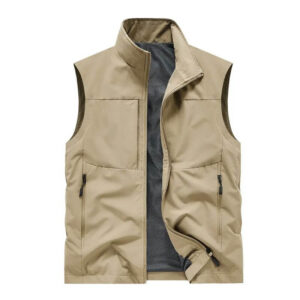
Get a Custom FR Clothing Quote from VisonSafety
How should FR clothing be maintained to ensure its effectiveness?
Proper care is essential to preserve FR performance. Follow the manufacturer’s washing instructions, avoid bleach and fabric softeners, and use recommended detergents. Inspect garments regularly for wear—fraying, holes, heavy fading, or damage can signal the need for replacement. Store FR garments in a cool, dry place away from direct sunlight and chemicals. When in doubt, consult the supplier’s care guide to keep protective properties intact.
Can FR clothing be customized for specific job roles?
Yes. FR garments can be customized for fit, features, and visibility to meet job‑specific needs. Many manufacturers, including VisonSafety, offer tailored sizes, pockets, reflective tape, and fabric blends that balance protection and comfort. Customization ensures workers get the protection they need while preserving mobility and functionality for daily tasks.
What are the limitations of FR clothing in protecting against thermal hazards?
FR clothing significantly lowers the risk from short‑duration events like flash fires and arc flashes but is not a universal solution. It’s less effective for prolonged flame exposure, deep contact with molten metals, or structural firefighting—situations that require specialized turnout gear or additional PPE. Effectiveness also depends on garment condition, correct selection for the hazard, and proper maintenance. A complete hazard assessment is necessary to define appropriate protective measures.
How does the cost of FR clothing compare to its benefits?
While FR garments often cost more upfront than regular workwear, the investment is justified by reduced injury severity, lower medical and recovery costs, and improved operational continuity. Certified FR clothing also helps companies meet regulatory obligations, potentially avoiding fines and legal exposure. Over time, durable FR garments can reduce total cost of ownership through fewer replacements and less downtime.
Are there specific certifications to look for when purchasing FR clothing?
Yes. Look for certifications and testing against standards such as NFPA 70E (electrical safety), NFPA 2112 (flash fire protection), and ASTM F1506 (electrical performance). These standards verify that garments meet defined performance criteria. Always request labels and test documentation to confirm a product’s certified status before purchase.
What role does comfort play in the effectiveness of FR clothing?
Comfort directly affects whether workers consistently wear FR garments. Breathable materials, ergonomic design, and correct fit improve wear rates and reduce the temptation to remove PPE. Balancing protection with comfort increases real‑world compliance and therefore the overall effectiveness of a safety program.
How can employers ensure their workers are properly trained in using FR clothing?
Employers should implement training that covers why FR clothing is required, how to wear it correctly, inspection and maintenance guidelines, and the limitations of the garments. Hands‑on demonstrations, periodic refresher training, and documented procedures help reinforce safe practices and ensure employees understand how to get the full protective benefit from their FR clothing.
Conclusion
Flame‑resistant clothing is a practical, proven measure for reducing burn severity and improving workplace safety where thermal risks exist. Investing in certified FR apparel supports compliance, strengthens operational resilience, and—when combined with thoughtful selection and care—keeps workers safer and on the job. To explore customizable FR solutions that match your hazard assessments and uniform program needs, contact VisonSafety for guidance and quotes.
 English
 Deutsch
 Français
 Polski
 Português do Brasil
 Español
 日本語
日本語 Русский
 العربية
 Italiano
 Nederlands
 Türkçe
 한국어
한국어