
Wearing flame‑resistant (FR) gear in hot conditions is a careful balance: keep workers cool while never compromising protection. This guide lays out practical choices—breathable FR fabrics, durable moisture‑management finishes, and lighter garment constructions—that reduce heat burden without sacrificing flame resistance. You’ll get clear guidance on which fiber families deliver the best evaporative cooling, how ventilated patterns and ergonomic fits improve airflow, and on‑site tactics to prevent heat stress. After a concise technical primer on materials and construction, we cover hydration and layering best practices and explain how custom FR solutions can be specified and sampled for hot‑climate projects. For procurement teams evaluating manufacturers, VisonSafety is a certified FR and hi‑vis workwear partner able to support material testing, OEM/ODM development, and fast sampling. Read on for specification‑ready advice on breathable FR apparel and sourcing decisions.
What Are the Best Cooling FR Fabrics for Staying Comfortable?
Cooling FR fabrics combine inherent flame resistance with constructions and finishes that promote airflow and evaporation. Meta‑aramid fibers offer inherent FR protection in lower fabric mass with strong thermal stability; FR cotton blends add natural absorbency to spread moisture and speed evaporation; engineered FR synthetics move sweat away from skin through capillary action. Selecting the right fabric is a trade‑off between breathability (air permeability), fabric weight (g/m²), and moisture management to sustain evaporative cooling during exertion. The table below gives a concise, procurement‑friendly comparison to help specification teams weigh those trade‑offs for hot‑weather FR workwear.
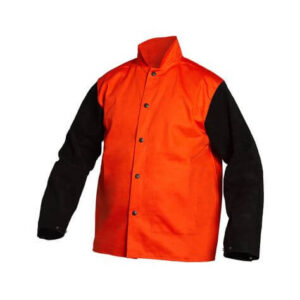
Get a Custom FR Clothing Quote from VisonSafety
Different fabrics prioritize protection, breathability, and moisture control in distinct ways:
| Fabric Type | Breathability | Weight (g/m²) | Moisture-wicking |
|---|---|---|---|
| Meta-aramid (inherent FR) | Medium–High | 150–210 | Moderate (good by knit) |
| FR cotton blend | High | 160–220 | High (absorbs and releases) |
| Moisture-wicking FR synthetics | Medium | 120–180 | Very High (engineered capillary action) |
This summary reflects the commonly requested options when cooling is a priority alongside FR performance. The next section explains how meta‑aramid and cotton blends create the perception of greater breathability on the body.
How Do Meta-Aramid and Cotton Blends Enhance Breathability in FR Clothing?
Meta‑aramid fibers are inherently flame‑resistant and can be engineered into lighter constructions that lower the garment’s thermal mass, so less heat is stored during work. Cotton blends bring natural absorbency, spreading moisture across the fabric surface to improve evaporation when there’s airflow. Fabric structure—open weaves, ring‑spun yarns, and air‑permeable knits—also raises air permeability without reducing FR performance, enabling effective evaporative cooling. VisonSafety’s material testing and batch traceability practices help specification teams choose blends and meta‑aramid constructions with confidence.
What Moisture-Wicking Properties Help Reduce Heat Stress in FR Shirts?
Moisture‑wicking in FR shirts works through fiber chemistry and capillary action: hydrophilic fibers draw sweat from the skin outward, while hydrophobic finishes transport moisture along yarn channels for quick evaporation. Durable finishes and engineered yarns retain wicking after repeated laundering; asking for test metrics such as wetting rate and drying time makes comparisons objective. For hot work, specify fabrics with proven moisture transport and modest weight so evaporative cooling remains effective. These fabric choices connect directly to how lightweight garment design improves on‑body comfort.
How Does Lightweight FR Workwear Improve Comfort in Hot Weather?
Lightweight FR workwear lowers the thermal burden by reducing fabric mass and improving mobility—both factors that lessen perceived heat and fatigue. Lighter fabrics dry faster and support evaporative cooling; design features like vents, gussets, and articulated seams reduce heat pockets and improve airflow. The table below compares garment classes to help product and procurement teams decide between shirts, base layers, and ventilated outerwear based on task and exertion level.
| Garment Type | Cooling Feature | Typical Benefit |
|---|---|---|
| FR shirt | Mesh or vented back panel | Improves airflow across torso |
| Base layer (FR) | Moisture-wicking knit | Moves sweat to outer layer for evaporation |
| Ventilated coverall | Zip vents + underarm gussets | Allows targeted airflow during breaks |
Use this comparison to match garment classes to exertion and exposure. The following section helps pick the right pieces for specific tasks and environments.
Which FR Garments Are Best Suited for Thermal Regulation?
For high‑exertion tasks where evaporative cooling is essential, prioritize FR base layers and lightweight shirts that focus on moisture management and low fabric weight. Ventilated coveralls or jackets with strategic vents work well for intermittent exposure when an outer layer must remain on but airflow is needed at lower risk moments. In mixed environments, specify Hi‑Vis FR combinations that meet visibility standards while using breathable substrates. OEM/ODM production options let you fine‑tune fabric weight and fit for the task, and rapid sampling validates choices before placing bulk orders.
How Do Ventilated and Ergonomic Designs Support Cooling in FR Apparel?
Strategic vents—upper back, underarms, side seams—create airflow channels that move moist air away from the body and speed evaporation, lowering skin temperature. Ergonomic details (gussets, articulated sleeves, motion‑friendly seams) reduce chafing and allow natural air exchange during movement, preventing heat traps around joints. Durability is critical: vented mesh and reinforced plackets must retain FR properties under wear, so specifications should include seam reinforcement and lab‑tested vent materials. These design mechanics tie directly into on‑the‑job heat‑stress prevention tactics.
What Are Effective Heat Stress Prevention Tips for FR Clothing Wearers?
Preventing heat stress combines the right clothing choices with operational controls and personal measures. Hydration, scheduled rest in shade or cooled areas, job rotation to limit continuous exertion, and active symptom monitoring are primary controls. Employers should add environmental measures—fans, shaded staging—and train crews to spot early signs of heat exhaustion or heat stroke. The steps below are simple to implement and effective at protecting workers wearing FR clothing.
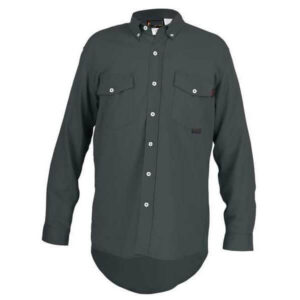
Get a Custom FR Clothing Quote from VisonSafety
- Hydrate Regularly: Plan water and electrolyte breaks every 15–30 minutes during heavy exertion.
- Use Work–Rest Cycles: Shorten cycles at peak heat and increase recovery time in shaded or cool areas.
- Monitor Environment and People: Use heat‑index thresholds and watch for dizziness, fainting, or confusion as early warning signs.
These operational controls feed into the practical hydration and layering recommendations that follow.
How Does Proper Hydration and Shade Reduce Heat Exhaustion Risks?
Hydration preserves circulating blood volume and supports sweating—the body’s primary cooling mechanism—while shade reduces radiant heat load and slows core temperature rise. Encourage small, frequent fluid intake and include electrolytes for prolonged work to replace sodium lost through sweat; schedule shaded or cooled breaks during midday peaks. Supervisors should pair hydration protocols with work‑rest planning and symptom checks to catch early heat strain. These physiological controls inform layering choices that keep FR protection intact while maximizing cooling.
What Layering Techniques Help Maintain Comfort While Staying Protected?
Layering for hot conditions should begin with an FR base layer that manages moisture, followed by a lightweight, breathable FR shirt; avoid non‑FR underlayers that could ignite or melt. Add or remove outer layers according to task and exposure—use ventilated outer garments when temporary coverage is required. Specify thin, moisture‑wicking fibers next to skin and ensure every layer meets the applicable FR standards and tests to prevent protection gaps. Clear layering protocols will also guide specification and customization for optimized workwear.
How Can Custom FR Clothing Solutions Enhance Cooling and Comfort?
Custom FR solutions allow buyers to tailor fabric selection, vent placement, patterning, and trims to specific hot‑work tasks and regulatory needs—delivering both cooling and compliance. Manufacturers with OEM/ODM capabilities can prototype vented panels, select meta‑aramid blends or eco‑friendly FR fibers, and test samples to align comfort metrics with NFPA/EN requirements. When evaluating partners, request documentation on sampling speed, MOQ flexibility, batch testing, and traceability so quality remains consistent as you scale. The procurement table below summarizes common customization levers and production expectations for B2B decisions.
| Custom Feature | Benefit | Production Metric |
|---|---|---|
| Vented panels/mesh inserts | Improved airflow and faster cooling | Sample lead time: 5–10 days |
| Lighter fabric weights (meta-aramid blends) | Reduced thermal mass | Flexible MOQ from samples to bulk |
| Moisture-wicking linings | Enhanced evaporative cooling | Full batch testing and 3+ year traceability |
This table clarifies which design choices produce measurable cooling and what production expectations buyers should set. Next, consider certification alignment as you customize designs.
What Cooling Features Can Be Customized in FR Apparel for Hot Climates?
Common customization options include vented back panels, underarm zip vents, lighter meta‑aramid blends, moisture‑wicking linings, and optimized reflective placement for Hi‑Vis FR garments so visibility is maintained without blocking airflow. Each choice affects certification and durability, so suppliers should validate designs against relevant standards during development. For B2B buyers, prioritize partners that offer quick sampling, flexible MOQs, and documented material testing to shorten decision cycles. These customization levers must be aligned with certification and quality systems to preserve both protection and comfort.
How Do Certifications Ensure Both Safety and Comfort in Custom FR Clothing?
Certifications and test reports confirm protective performance while allowing manufacturers to engineer comfort into certified materials. Ask suppliers for NFPA, EN, UL, ANSI, and OEKO‑TEX documentation where applicable. Request material test reports, full QC records, and batch traceability to ensure breathable or moisture‑managing constructions do not compromise FR ratings. Suppliers operating under ISO‑aligned quality systems and transparent traceability simplify compliance for custom designs. VisonSafety, for example, provides traceability, batch testing, ISO‑aligned facilities, and DDP logistics options to streamline procurement and reduce client logistics burden during development.
- Custom manufacturing validates comfort features without sacrificing safety.
- Certification records and batch testing protect buyers from material variability.
- Clear lead times and MOQ flexibility let teams prototype and verify cooling performance quickly.
These procurement controls connect technical cooling strategies to actionable sourcing decisions that deliver compliant, comfortable FR workwear.
How to Stay Cool in FR Clothing | FAQs
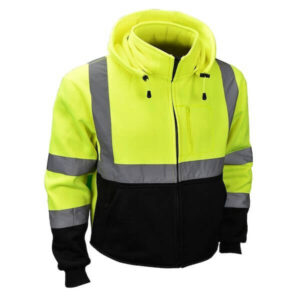
Get a Custom FR Clothing Quote from VisonSafety
What are the key benefits of using moisture-wicking FR fabrics in hot weather?
Moisture‑wicking FR fabrics pull sweat away from skin and promote evaporation, which helps keep the wearer cooler during exertion. By combining hydrophilic fibers that absorb moisture with hydrophobic finishes that speed drying, these fabrics reduce overheating risk while preserving required flame‑resistant properties—making them a practical choice for high‑temperature work environments.
How can employers support workers wearing FR clothing in hot conditions?
Employers can protect workers by scheduling regular hydration breaks, enforcing work‑rest cycles, and providing shaded or cooled recovery areas. Training crews to recognize heat‑stress symptoms and monitoring environmental conditions are essential. Encouraging lightweight, breathable FR garments and adjusting work plans based on heat index readings further reduce heat‑related risk.
What role does garment fit play in the effectiveness of FR clothing for cooling?
Fit matters: well‑fitted garments that allow some air movement enhance evaporative cooling, while overly tight clothing can trap heat and moisture against the skin. Choose ergonomic cuts that permit movement and ventilation without compromising protection to maintain comfort in hot work conditions.
Are there specific layering strategies for FR clothing in hot weather?
Yes. Start with an FR, moisture‑wicking base layer, then add a lightweight, breathable FR shirt. Avoid non‑FR underlayers. Add or remove ventilated outer layers based on task and exposure—using vents when possible—to keep workers protected and comfortable as conditions change.
How can custom FR clothing solutions be tailored for specific work environments?
Custom solutions are tailored through fabric selection, vent placement, and pattern adjustments to match task demands and regulatory requirements. Lightweight meta‑aramid blends, targeted venting, and moisture‑managing linings are common options. Work with OEM/ODM partners that offer prototyping and testing to ensure compliance and comfort for the intended environment.
What certifications should be considered when selecting FR clothing for hot weather?
Look for NFPA, EN, UL, and ANSI certifications for protective performance, and OEKO‑TEX where chemical safety is a concern. Request material test reports and batch traceability to confirm the breathable or moisture‑managing constructions preserve FR ratings and meet your compliance needs.
Conclusion
Choosing the right FR clothing makes a measurable difference in worker comfort and safety in hot environments. Prioritize breathable fabrics, proven moisture‑wicking finishes, and lightweight, ventilated designs to manage heat stress while maintaining required protection. Customization and rigorous testing allow you to match garments to specific tasks and compliance needs. Contact us to explore FR apparel options and find the right combination of comfort, cooling, and certification for your team.
 English
 Deutsch
 Français
 Polski
 Português do Brasil
 Español
 日本語
日本語 Русский
 العربية
 Italiano
 Nederlands
 Türkçe
 한국어
한국어