
Electricians aren’t automatically required to wear flame-resistant (FR) clothing for every job. When work exposes them to arc flash or other significant thermal hazards, though, FR and arc-rated (AR) garments become necessary under accepted safety practice. This article explains when FR/AR apparel is required, how arc energy and Hazard Risk Category (HRC) guide garment selection, and what employers and buyers should consider to meet NFPA 70E and OSHA expectations. You’ll learn which electrical hazards FR clothing mitigates, how ATPV and EBT ratings map to procurement decisions, and practical care steps that keep protective performance intact. The guide links common tasks to garment types, includes quick EAV reference tables for buying, and offers actionable selection and laundering checklists for fleet and wholesale purchasers. Read on for concise, standards-aligned guidance and practical notes on certified supply options.
Why Do Electricians Need Flame Resistant Clothing?
FR clothing reduces the severity of thermal injuries by resisting ignition and forming a char layer instead of melting when exposed to intense heat. That behavior gives workers time to escape or be rescued. Whether a fabric is inherently FR or chemically treated, the goal is the same: self-extinguish, limit heat transfer to skin, and reduce burn severity from arc flash and flash fires. Knowing how materials behave helps employers and buyers match garment performance to measured incident energy and the tasks performed. The sections that follow describe common electrical hazards and how FR clothing lowers injury risk for workers and informs procurement decisions.
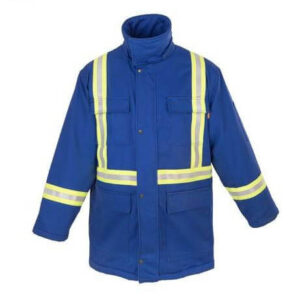
Get a Custom FR Clothing Quote from VisonSafety
What Are the Electrical Hazards That FR Clothing Protects Against?
Electricians face thermal hazards that can cause severe burns and related injuries during routine work and emergencies.
An arc flash is a sudden release of energy across an electrical gap that generates extreme heat, pressure, and molten metal; contact with energized conductors or failing equipment can ignite clothing or vaporize materials.
Flash fires and ignition of combustible atmospheres are related risks where FR fabric helps slow flame spread. Identifying tasks such as switchgear servicing, live troubleshooting, and motor control work makes it easier to determine when FR or AR clothing is required to reduce injury severity.
How Does FR Clothing Reduce Injury from Arc Flash and Electrical Hazards?
FR clothing protects mainly by forming an insulating char and by not melting onto skin, which lowers heat transfer during an arc event and increases the time a worker can survive the exposure. Layering FR garments raises protection levels: outer layers absorb or dissipate energy before inner layers are exposed. Full coverage of the torso, arms, and legs is more important than wearing a single item. Correct fit and secure closures prevent gaps that expose skin, and arc-rated outerwear is essential when incident energy is high. These protective behaviors directly shape procurement choices and on-site PPE policies for electricians.
What Are the Regulatory Requirements for Electricians Wearing FR Clothing?
Regulatory expectations emphasize hazard assessment and matching PPE to measured or estimated incident energy rather than mandating specific garments for every situation. NFPA 70E requires employers to perform an arc flash hazard analysis and to supply arc-rated clothing when incident energy exceeds thresholds tied to Hazard Risk Categories; that analysis determines ATPV/EBT selection and layering. OSHA enforces general industry duties: assess electrical hazards, provide appropriate PPE, and implement training and procedures—omitting hazard assessment or supplying noncompliant apparel can lead to citations. Buyers should prioritize certified garments tested to ASTM standards with documented ATPV/EBT values.
To help buyers compare standards and procurement obligations, the table below summarizes how each regulation maps to buyer responsibilities and purchasing choices.
This table clarifies regulatory expectations and procurement implications for buyers and safety managers.
| Standard / Rule | Requirement Summary | Implication for Employers / Buyers |
|---|---|---|
| NFPA 70E | Requires hazard analysis and PPE selection based on arc energy | Purchase arc-rated clothing to match calculated ATPV/EBT; document selections |
| OSHA General Duty / Electrical Rules | Requires hazard assessment, PPE provision, training | Maintain hazard assessment records and provide appropriate FR/AR PPE |
| ASTM F1506 | Fabric performance standard for FR clothing | Specify ASTM-tested fabrics and request test certificates from suppliers |
This mapping helps procurement teams align purchases with compliance obligations and supports vendor qualification during procurement reviews.
VisonSafety supplies certified FR garments that meet these standards and can support buyers needing documented ATPV/EBT values and fleet customization. Suppliers who provide test data and clear labeling make it easier for procurement teams to match products directly to the hazard analysis. Choosing vendors that deliver certification documents and custom marking reduces administrative burden for distributors and large users.
What Does NFPA 70E Require for Electrician FR Clothing and Arc Flash PPE?
NFPA 70E focuses on identifying arc flash hazard levels through a formal hazard analysis and then specifying PPE based on calculated incident energy and HRC. The standard links HRC levels to minimum arc-rated clothing and layered protection; higher incident energies typically require higher ATPV-rated outer garments and full coverage. Employers must keep records of hazard analyses and the rationale for PPE choices. Procurement should prioritize garments with rated ATPV/EBT values that meet or exceed calculated incident energy so selections align with job risks and regulatory expectations.
How Does OSHA Regulate FR Clothing for Electricians?
OSHA requires employers to evaluate workplace hazards and provide appropriate PPE rather than prescribing specific garments in all cases. Inspectors look for documented hazard assessments, training, written PPE programs, and whether supplied PPE matches the hazard. A solid hazard analysis and properly matched AR clothing reduce compliance risk. Employers should document training, inspections, and replacement practices, and buyers should include these requirements in supplier contracts. Supplier certifications and clear labeling support OSHA-compliant programs and demonstrate due diligence during procurement.
How Do Electricians Choose the Right FR and Arc-Rated Clothing?
Selecting appropriate protective clothing follows three practical steps: determine incident energy from a hazard analysis, choose garments with ATPV/EBT ratings that meet or exceed that energy, and confirm adequate coverage and fit for the task. Buyers should also weigh fabric type (inherent vs. treated), layering strategies, seam and closure construction, and maintenance plans that preserve protection. Use the quick procurement checklist below when evaluating garments and suppliers.
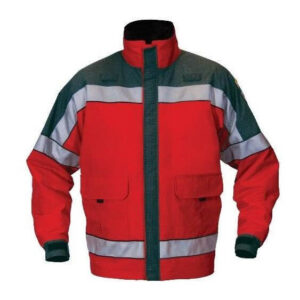
Get a Custom FR Clothing Quote from VisonSafety
- Confirm calculated incident energy and required ATPV/EBT threshold.
- Select garment types that provide required coverage for the task.
- Verify ASTM testing, certification labels, and supplier documentation.
- Ensure sizing, layering strategy, and laundering program are feasible for your fleet.
Keep this checklist handy to verify key selection criteria before you buy.
Below is a quick EAV reference table linking garment types to typical ATPV/EBT recommendations and common electrician uses.
| Garment Type | ATPV / EBT Recommendation | Recommended Use / HRC Level |
|---|---|---|
| FR Shirt | 4–8 cal/cm² (min) | Low HRC tasks, panel inspections, light troubleshooting |
| FR Coveralls | 8–25 cal/cm² | Medium HRC tasks, switchgear maintenance |
| FR Jacket / Outerwear | 12–40+ cal/cm² | High HRC tasks, outdoor equipment work, high incident energy |
This quick reference helps procurement teams match garment choices to common electrician tasks and HRC guidance.
For B2B buyers needing volume or branded options, VisonSafety offers FR shirts, jackets, coveralls, pants, hoodies, and vests with certified, customizable solutions to meet ATPV/EBT requirements and fleet specs. Our manufacturing supports bulk orders and custom labeling, which helps distributors and wholesalers meet client needs efficiently. When evaluating suppliers, always request certification data and sample garments to confirm fit, seams, and closures meet on-site requirements.
What Is the Difference Between Flame Resistant and Arc-Rated Clothing?
“Flame-resistant” (FR) describes how a fabric behaves when exposed to flame or heat—FR materials resist ignition and self-extinguish. “Arc-rated” (AR) means a garment has been tested and assigned an ATPV or EBT value that quantifies protection against arc flash. All arc-rated garments are FR, but not all FR clothing carries an ATPV/EBT rating suitable for arc flash hazards. For procurement, require ATPV/EBT documentation when incident energy or HRC indicates arc flash exposure; for lower-risk tasks, FR garments without AR ratings may be acceptable. This distinction prevents under- or over-specifying PPE.
What Are ATPV and EBT Ratings and Why Do They Matter for Electricians?
ATPV (Arc Thermal Performance Value) and EBT (Energy Breakopen Threshold) are measured metrics that indicate how much incident energy a fabric system can withstand before reaching a second-degree-burn threshold. ATPV is the energy level with a 50% probability of causing a second-degree burn; EBT is the energy at which a breakopen is likely. Manufacturers report one or both metrics on labels. Electricians and procurement teams use the calculated incident energy from a hazard analysis to select garments with ATPV/EBT values that meet or exceed that energy, ensuring the clothing provides the intended protection. Always confirm reported values apply to the complete garment system, including any required layering.
How Should Electricians Care for and Maintain FR Clothing to Ensure Safety?
Proper care and maintenance preserve FR performance and ensure garments perform as tested throughout their service life. Buyers should implement inspection, laundering, repair, and retirement protocols as part of fleet management. Regular inspections catch tears, contamination, or damaged seams and closures that reduce protection; laundering must avoid products or processes that degrade FR performance. The table below maps care actions to their effect on FR properties and recommended frequencies for fleet programs.
| Care Action | Effect on FR Properties | Recommended Practice / Frequency |
|---|---|---|
| Inspection before use | Identifies damage that reduces protection | Daily visual checks; detailed inspections monthly |
| Machine laundering with approved detergent | Preserves fabric performance if done per label | Follow garment label instructions; avoid fabric softeners |
| Repair of seams/closures | Restores coverage but may affect ATPV if not done properly | Use manufacturer-recommended repair techniques; document repairs |
These steps extend garment life and support compliance while reducing replacement costs.
- Do follow garment label laundering instructions and use approved detergents to avoid performance loss.
- Do perform daily visual inspections and remove damaged garments from service immediately.
- Don’t use bleach, fabric softeners, or high-heat drying cycles that can degrade FR fibers.
- Don’t alter garments (cutting, dyeing, or adding non-FR closures) without manufacturer approval.
What Are Best Practices for Donning, Doffing, and Layering FR Clothing?
Proper donning and doffing preserve coverage and prevent accidental exposure. Always fasten closures, adjust cuffs and collars, and make sure no foreign materials are trapped under layers. Layering should place arc-rated outer garments over appropriately rated base layers, and coverage must extend across wrists, ankles, and the neckline to minimize exposed skin. Quick pre-task checks—confirm fit, absence of combustible contaminants, and intact closures—reduce on-the-job risk and should be part of standard procedures. Train workers on these practices and include them in job briefs to ensure consistent compliance with hazard analyses.
How Can Proper Care Preserve the Flame Resistance and Durability of FR Apparel?
Consistent laundering, timely repairs, and clear replacement criteria protect FR performance and lower lifecycle costs for fleet buyers. Avoid fabric softeners and bleach, use recommended detergents, and follow labeled wash temperatures to preserve fiber integrity and reported ATPV/EBT levels. Set inspection intervals, document approved repairs, and retire garments with significant wear, holes, or chemical contamination. Including these requirements in procurement contracts and supplier service agreements gives buyers predictable maintenance outcomes and supports regulatory compliance.
VisonSafety’s focus on certified FR apparel and customizable fleet solutions can help buyers who need documented maintenance recommendations and labeling tied to ATPV/EBT values. Working with suppliers that provide clear care guidance and repair support reduces administrative work and helps keep fleets compliant and safe.
For help specifying certified FR garments for bulk orders or custom fleets, request supplier documentation and sample maintenance protocols to confirm alignment with your hazard analysis and program. VisonSafety welcomes inquiries for certified, custom safety apparel tailored to distributor and wholesale needs; procurement teams often find that a supplier offering both test data and scalable manufacturing simplifies fleet implementation and long-term compliance.
Are Electricians Required to Wear FR Clothing | FAQs
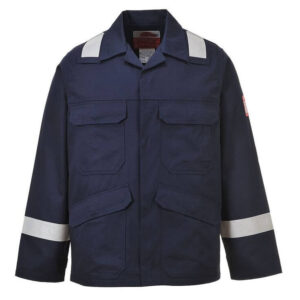
Get a Custom FR Clothing Quote from VisonSafety
What should electricians consider when selecting FR clothing for different tasks?
Consider the task-specific hazards and the potential for arc flash or thermal exposure. Use your hazard analysis to determine incident energy and select garments with ATPV ratings that meet or exceed that energy. Also evaluate fit, layering strategy, and fabric type (inherent vs. treated) for comfort and durability. Ensure the chosen items provide full coverage to minimize exposed skin.
How often should FR clothing be inspected and maintained?
Inspect FR clothing daily for visible damage and contamination, and perform more detailed checks monthly. Follow garment care instructions for laundering and repair, and retire garments that show irreparable damage or chemical contamination. Regular maintenance preserves protection and helps avoid costly failures in the field.
Are there specific laundering instructions for FR clothing?
Yes. Follow the garment label: use approved detergents, avoid fabric softeners and bleach, wash at recommended temperatures, and avoid high-heat drying cycles unless the label permits them. Proper laundering preserves FR performance and ATPV/EBT characteristics.
What role does training play in the use of FR clothing for electricians?
Training ensures workers understand why FR clothing is required, how to don and doff it correctly, how to layer safely, and how to inspect and care for garments. Well-trained staff are more likely to follow procedures, reducing risk and supporting regulatory compliance.
How can employers ensure compliance with FR clothing regulations?
Conduct thorough hazard assessments, document them, and supply PPE that matches calculated incident energy. Maintain training records, inspection logs, and replacement schedules. Work with certified suppliers that provide documentation and labeling to simplify procurement and demonstrate due diligence during inspections.
What are the differences between inherent and treated FR fabrics?
Inherent FR fabrics have flame resistance built into the fiber and retain it for the garment’s life. Treated FR fabrics gain protection from a chemical treatment, which can decline with washing and wear. Choose based on expected durability, laundering practices, and lifecycle requirements.
What are the implications of not using compliant FR clothing?
Not using compliant FR clothing increases the risk of severe worker injury from electrical incidents and can expose employers to citations, fines, higher liability, and insurance costs. Noncompliance can also damage reputation. Using certified PPE and documented programs protects both people and the business.
Conclusion
FR clothing is a vital layer of protection for electricians working where arc flash and thermal hazards exist. Selecting garments that match calculated incident energy, maintaining them properly, and working with certified suppliers helps reduce injury risk and supports regulatory compliance. For tailored, certified FR solutions and fleet support, explore VisonSafety’s offerings or contact our team to discuss your requirements.
 English
 Deutsch
 Français
 Polski
 Português do Brasil
 Español
 日本語
日本語 Русский
 العربية
 Italiano
 Nederlands
 Türkçe
 한국어
한국어