
Flame‑resistant (FR) clothing is purpose‑built personal protective equipment that helps resist ignition and reduce burn injury when workers encounter thermal hazards. This guide explains typical wash‑cycle expectations for common FR fabrics, why some materials last longer than others, and the everyday care steps that preserve flame resistance. You’ll find numeric wash‑expectancy ranges by fabric class, how certifications such as NFPA 2112 relate to laundering, recommended home and industrial wash practices, chemicals and habits to avoid, and clear signs that indicate retirement. Compact checklists, comparison tables, and inspection guidance make it easier for safety managers, launderers, and procurement teams to convert wash counts into realistic service‑life plans. Our recommendations reflect current industry testing and note when manufacturer batch testing and traceability change usable lifespan estimates.
How Many Wash Cycles Can Flame Resistant Clothing Withstand?
FR garments are tested to retain protective properties through repeated laundering, but there’s no single wash‑count that fits every fabric or program. The number of safe washes depends on fiber type, whether the flame resistance is inherent or applied, stitch and trim durability, and how harsh the laundering process is. In general, inherent fibers like aramid retain performance far longer than chemically treated cotton blends; synthetic blends fall in between. Many certification protocols include post‑launder evaluations, so certification gives a reliable baseline — though it isn’t an indefinite guarantee. Knowing typical ranges helps safety teams set inspection schedules and replacement cycles that match real‑world use.
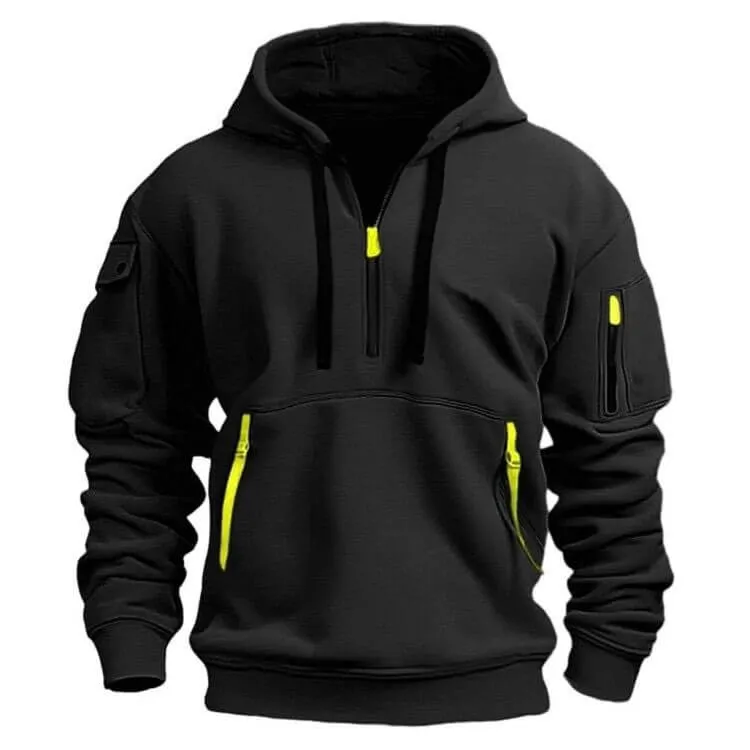
Get a Custom FR Clothing Quote from VisonSafety
Use this quick‑reference table to compare common FR fabric classes and their approximate wash lifespans so procurement decisions match the intended service life.
| Fabric Type | Typical Wash Expectancy (approx.) | Certification / Note |
|---|---|---|
| 100% Aramid (inherent) | 100–200+ washes | High retention; often meets long-cycle NFPA testing |
| Treated Cotton Blend | 30–100 washes | Treatment may wash out; shorter expectancy |
| FR Polyester/Synthetic Blend | 50–150 washes | Varies by blend ratio and process controls |
| Flame-resistant Knit/Lightweight | 40–120 washes | Good comfort but watch abrasion and pilling |
The table highlights that inherent aramid garments typically outlast treated cotton blends under similar laundering. Match fabric selection to your expected wash frequency and workplace exposure for best value and safety.
What Is the Typical Wash Expectancy for Different FR Fabric Types?
Wash expectancy hinges on whether flame resistance is built into the fiber or applied as a finish. Inherent FR fibers — aramids and some modacrylics — preserve their core protective properties through many more cycles than treated cotton, where finishes can fade. For example, an inherent FR shirt washed weekly can remain serviceable for several years; a treated cotton coverall in heavy use may need replacement in a year or two. Harsh conditions — high drying temperatures, heavy abrasion, or aggressive detergents — shorten service life, so convert wash counts into months by estimating your routine laundering frequency.
These practical conversions help procurement and safety teams budget rotation cycles and time inspections against realistic wash counts.
Selection, Use, Care, and Maintenance of Flame‑Resistant (FR) and Arc‑Rated (AR) Clothing
This paper discusses selection, use, care, and maintenance of Flame‑Resistant (FR) and Arc‑Rated (AR) clothing and explains how proper care preserves performance and service life.
Selection, Use, Care and Maintenance of FR and AR Clothing, 2016
How Do Certifications Like NFPA 2112 Affect FR Clothing Wash Limits?
Standards such as NFPA 2112 (and comparable EN/UL tests) confirm garment performance after defined laundering protocols and simulated wear — but they don’t promise unlimited washes. Certification tests normally include post‑launder assessments to ensure critical properties remain within acceptance limits after a set number of cycles or specified conditions. Certified gear therefore gives a dependable baseline for durability, while manufacturers may publish their own laundering limits tied to batch testing. Use certification statements together with manufacturer care guidance to set replacement cadence.
Certification reduces uncertainty, but ongoing inspection and laundering records are still essential for compliance and worker safety.
VisonSafety perspective: a trustworthy manufacturer can strengthen confidence by providing 100% fabric batch testing and multi‑year traceability, letting procurement teams align tested batch performance with expected wash cycles. VisonSafety’s factory controls and ISO 9001 processes help ensure consistent materials and post‑launder performance data, which makes it easier to forecast service life without compromising safety. This manufacturer‑backed data complements independent certification reports and supports clear procurement specifications for OEM/ODM orders.
How Should You Properly Wash FR Clothing to Maintain Flame Resistance?
Correct laundering protects FR performance by reducing mechanical and chemical damage, using appropriate temperatures, and preventing cross‑contamination. Home and industrial programs differ in scale, but share core controls: choose mild, phosphate‑free detergents; avoid oxidizers and harsh enzymes; keep wash temperatures moderate; and inspect garments frequently. Proper drying and storage also prevent heat or solvent exposure that could weaken fibers or finishes. Following these basics maximizes garment longevity and helps garments continue to meet certification expectations during service.
Below is a concise laundering checklist that outlines safe practices and common pitfalls for both home and industrial washing.
- Separate Loads: Wash FR garments apart from non‑FR items to prevent contamination.
- Use Mild Detergents: Prefer enzyme‑free, non‑oxidizing detergents to protect fibers and finishes.
- Control Temperature: Follow the manufacturer’s recommended temperatures — warm water cleans soils with less fiber stress than hot cycles.
These steps lower risk to FR properties and make inspection results more predictable for safety managers.
Impact of Laundering on the Tensile Strength of Chemical Protective Clothing
This study measured how laundering affects tensile strength of domestically produced chemical protective clothing materials used in various fertilizer manufacturing facilities. Fabric tensile strength was quantified before and after washing.
Effect of Laundering on Tensile Strength of Chemical Protective Clothing Materials, 2019
What Are the Best Washing Practices for Home and Industrial Laundering?
Home laundering can work for low‑frequency use, provided garments are washed separately, on gentle cycles, and with suitable detergents to avoid contamination. Industrial laundering delivers tighter process control — chemical dosing, monitored cycles, and quality checks — which reduces variability and often extends garment life under heavy use. For B2B buyers, choosing fabrics and trims compatible with industrial laundry protocols lowers replacement costs and preserves certification margins. If you use industrial laundering, include cycle monitoring and periodic performance tests to verify FR properties remain within required limits.
For bulk fleets, industrial laundering usually improves consistency and simplifies compliance tracking compared with dispersed home laundry programs.
Which Detergents and Water Temperatures Are Safe for FR Garments?
Safe detergents are mild, phosphate‑free, and free of strong oxidizers or aggressive enzymes that can attack fibers or strip finishes. Warm water typically balances soil removal with fiber protection; very high temperatures increase stress and shrinkage. Industrial laundries select controlled chemistries for FR fabrics and monitor pH and dosing to prevent degradation. Always read garment care labels and follow manufacturer instructions to match detergent chemistry and temperature to the fabric class.
Choosing the right detergent and wash profile is a simple way to protect AR ratings while keeping garments serviceable.
| Washing Practice | Risk to FR Properties | Recommended Action |
|---|---|---|
| High-heat cycles | Accelerates fiber breakdown | Use warm, not hot, settings when possible |
| Bleach/oxidizers | Removes treatments, weakens fibers | Do not use; choose non-oxidizing detergents |
| Mixed loads with petroleum soils | Contaminant increases flammability | Pre-treat or segregate contaminated items |
This table highlights routine choices that pose the greatest risk and provides direct alternatives that help maintain FR performance.
VisonSafety note: for large orders, VisonSafety offers OEM/ODM fabric options engineered for industrial laundering compatibility, so you can specify blends and trims that withstand frequent cycles while meeting required certifications.
What Chemicals and Practices Should Be Avoided When Washing FR Clothing?
Certain chemicals and common laundry habits degrade FR properties by breaking down fibers, stripping protective finishes, or leaving combustible residues. Avoid oxidizing bleaches, fabric softeners, petroleum solvents, and insect repellents such as DEET — all can reduce flame resistance or leave hazardous residues. Mechanical abuse — excessive tumble drying at high heat, overloading machines, or aggressive agitation — also speeds pilling, thinning, and seam failure. Replacing these harmful practices with controlled industrial processes or conservative home‑laundry rules preserves garment performance and extends usable life.
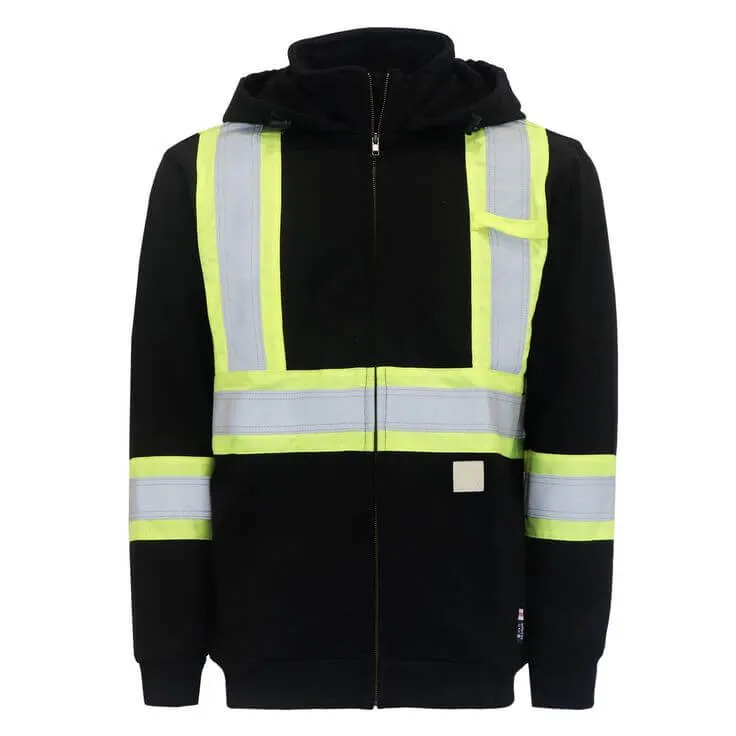
Get a Custom FR Clothing Quote from VisonSafety
Below are the most problematic substances and behaviors to exclude from any laundering program.
- Bleach and strong oxidizers: Chemically break down fibers and remove finishes.
- Fabric softeners and dryer sheets: Leave residues that can alter ignition behavior.
- Petroleum-based solvents and heavy oils: Increase flammability and are difficult to remove.
Avoiding these contaminants reduces unexpected loss of protective function and simplifies inspection decisions.
The Impact of Domestic Laundering on Fragment Protective Fabrics
While military armor inserts are rarely laundered, combat uniforms undergo frequent washing. This investigation assessed how domestic laundering affects the fragment protective performance of fabrics used in personal protective equipment.
Effect of domestic laundering on the fragment protective performance of fabrics used in personal protection, D Carr, 2014
Why Are Bleach, Fabric Softeners, and Harsh Chemicals Harmful to FR Clothing?
Bleaches and oxidizers cleave polymer chains or strip durable finishes, lowering tensile strength and changing thermal decomposition behavior. Fabric softeners deposit hydrophobic films that alter heat transfer and ignition characteristics, while petroleum residues can act as localized fuel within the fabric. Repeated exposure accumulates damage and reduces a garment’s ability to self‑extinguish or avoid melt/drip hazards. Understanding these mechanisms helps organizations create stricter laundering policies and conservative replacement thresholds.
Recognizing cumulative chemical damage supports better laundering controls and inspection cadences.
How Does Improper Washing Shorten FR Garment Lifespan?
Improper washing speeds visible wear — thinning, pilling, seam failure — and, more importantly, reduces core protective attributes like tensile strength and heat resistance. Repeated exposure to oxidizers or high‑heat drying can cut expected wash counts substantially compared with controlled industrial laundering. Base inspection intervals on exposure intensity, and log laundering cycles for high‑use items so you can trigger lab retesting or preemptive replacement when needed. Keeping records supports audits and helps safety teams make data‑driven replacement decisions.
Documented laundering and inspection programs turn subjective wear judgments into objective retirement triggers.
When Should You Replace Your FR Clothing? Signs and Indicators of Wear
Replace FR garments when visible damage, contamination, or a loss of structural integrity suggests protection is compromised — even if the garment’s wash count isn’t exhausted. Key indicators include holes or tears, significant thinning or transparency, failed closures, melted or charred areas, and heavy contamination with oils or chemicals that won’t wash out. Regular inspections tied to wash counts and task exposure ensure garments are retired before safety is at risk. Keep records of inspections, laundering history, and repairs so replacement decisions are traceable for audits.
Use the simple frontline inspection checklist below to help users and safety officers decide when to retire garments.
- Holes or open seams: Any loss of integrity requires immediate retirement.
- Thinning or transparency: Visible fabric loss reduces protection.
- Stains that resist cleaning: Heavy oil or chemical contamination warrants removal.
Run this checklist during routine inspections to simplify decisions and support regulatory compliance.
What Visible Damage Means Your FR Garment Needs Retirement?
Visible damage — through‑holes, large tears, seam failure, or fabric hardening — signals lost protective capability and calls for retirement. Discoloration combined with a stiff or brittle texture often indicates chemical or thermal attack that laundering won’t fix. Trims and reflective tape that are lifting, cracked, or separating also compromise protection and should trigger replacement. When in doubt, err on the side of safety and document the condition with dates and usage history for procurement planning.
Photographic records and conservative replacement choices reduce liability and keep frontline workers protected.
How Does Excessive Washing Affect FR Clothing Safety and Compliance?
Excessive washing gradually reduces tensile strength, degrades flame‑resistance performance, and can lead to garments failing certification post‑launder criteria. Organizations should adopt policies that combine wash‑count targets with condition‑based inspections and periodic performance testing as garments near expected end‑of‑life. Manufacturer traceability and batch testing data help validate whether a garment remains within rated protection after high wash counts. A documented replacement policy based on both washes and condition supports compliance and protects workers.
VisonSafety can support buyers who need traceable QC, batch testing reports, and guidance on replacement thresholds when procuring custom FR apparel — making it easier to align supply with operational laundering programs.
How Many Times Can FR Clothing Be Washed | FAQs
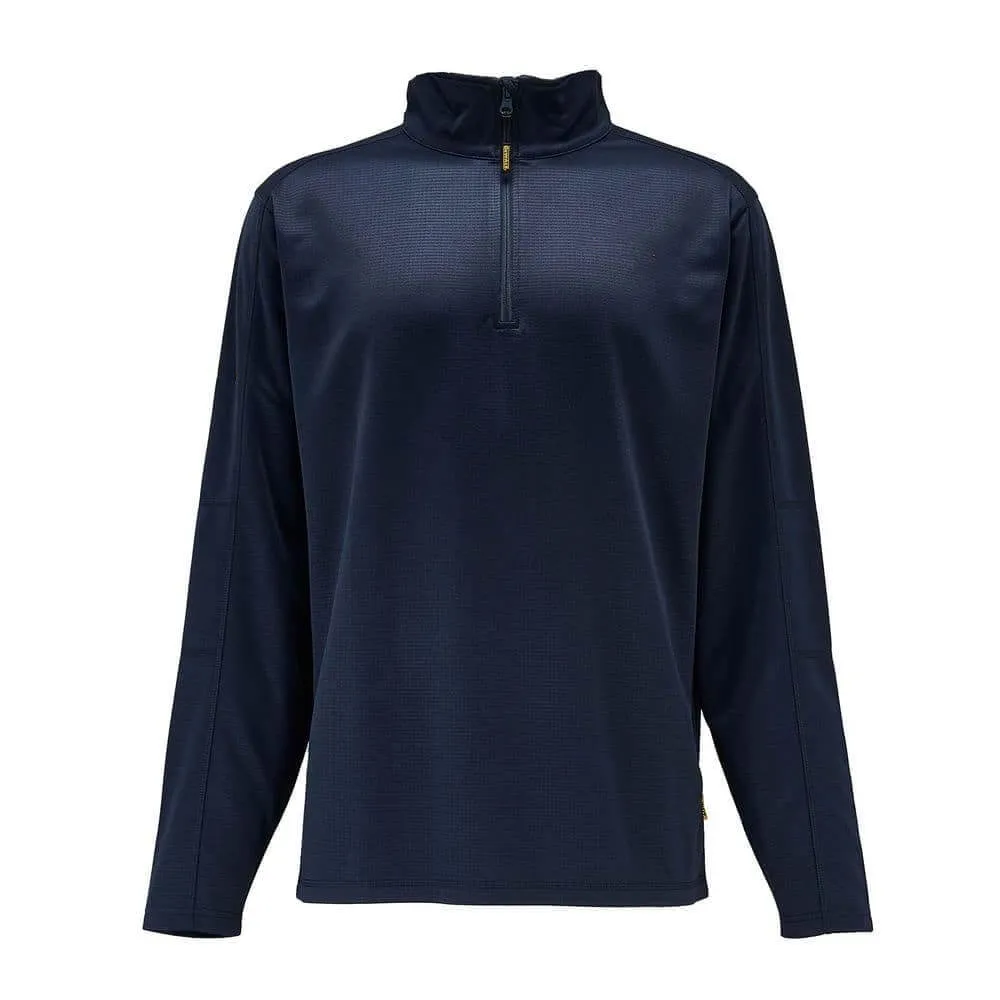
Get a Custom FR Clothing Quote from VisonSafety
What are the key factors that affect the lifespan of FR clothing?
FR garment lifespan is driven by fabric type, laundering frequency, and workplace conditions. Inherent FR fibers such as aramids typically last longer than treated cotton blends. High heat, mechanical abrasion, and harsh detergents all shorten usable life. Regular inspections and correct laundering are essential to get the most life from each garment while keeping protection intact.
How can I tell if my FR clothing is still safe to wear?
Inspect regularly for holes, tears, severe thinning, broken closures, melted areas, or heavy contamination with oils or chemicals. Any of these conditions merit retirement even if the wash count isn’t reached. Maintain inspection and laundering records to support safe, auditable decisions.
Are there specific laundering techniques for industrial FR clothing?
Yes. Industrial laundering uses controlled chemical formulations, pH monitoring, and set wash temperatures, plus cycle monitoring and quality checks to reduce variability and extend garment life. Choosing garments compatible with industrial protocols saves cost and helps maintain certification margins.
What should I do if my FR clothing has been exposed to hazardous materials?
Assess the contamination level. Heavy oil or chemical contamination that resists cleaning generally calls for retirement. For minor exposure, follow approved laundering protocols. If the garment doesn’t clean effectively or shows damage, replace it to ensure ongoing protection.
How often should I inspect my FR clothing?
Inspect based on usage and exposure. A practical minimum is once per month, more often in high‑risk environments. Focus on visible damage, fabric integrity, and contamination. Keep inspection records to track garment condition and time replacements appropriately.
What are the consequences of using improper detergents on FR clothing?
Improper detergents — bleach, strong oxidizers, or fabric softeners — can weaken fibers, strip finishes, and change ignition behavior, reducing the garment’s protective function. Use mild, phosphate‑free detergents recommended for FR fabrics to maintain safety and effectiveness.
Conclusion
Knowing wash limits and following proper care practices is critical to preserving safety and compliance for FR clothing. Select fabrics that suit your laundering program, enforce conservative wash and inspection policies, and document wear and repairs so garments are retired before protection is compromised. For more practical guidance on optimizing FR garment care and procurement, explore our resources or contact VisonSafety for expert support.
 English
 Deutsch
 Français
 Polski
 Português do Brasil
 Español
 日本語
日本語 Русский
 العربية
 Italiano
 Nederlands
 Türkçe
 한국어
한국어