
Flame‑resistant (FR) garments require deliberate laundering to keep their protective properties intact. The short answer: do not use conventional fabric softeners on FR clothing. This guide explains how softeners undermine protection, how laundering choices affect NFPA and ASTM performance, and what laundry managers and procurement teams should do to retain compliance and extend garment life. You’ll find specific wash temperatures, detergent recommendations, safe alternatives for softness and static control, stain‑ and odor‑removal tips, and inspection rules for repair vs. replacement. Coverage includes common FR items—shirts, jackets, coveralls, pants, hoodies, and vests—and practical notes for industrial and on‑site laundry programs. Read on for concise, actionable washing instructions, quick reference tables for laundry teams, and manufacturer‑aligned care guidance to protect workers and preserve certification value.
Why Avoid Fabric Softener on Flame‑Resistant Clothing?
Fabric softeners leave a thin film or residue on fibers. Those deposits can reduce thermal protection and raise the risk of ignition by changing how heat moves through the fabric. Residues may create localized hot spots or interfere with a fabric’s FR chemistry, undermining the garment’s designed mechanism of protection. Beyond the safety risk, softener deposits can alter test results used for NFPA and ASTM certifications and may void manufacturer care instructions or warranties. That’s why laundering policy and chemical selection are essential to preserving FR performance and staying compliant.
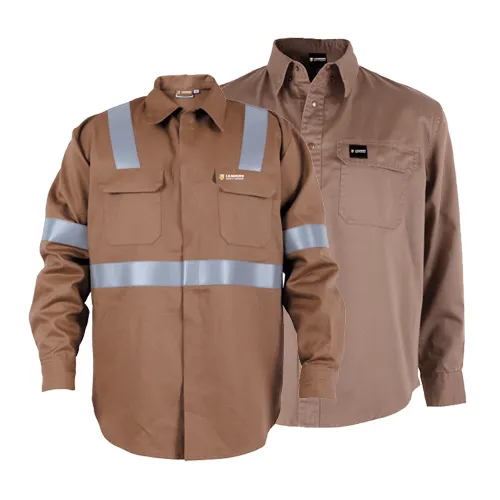
Get a Custom FR Clothing Quote from VisonSafety
How Does Fabric Softener Change Flame Resistance in FR Clothing?
Softener leaves hydrophobic coatings and surfactant residues that can shift ignition thresholds and alter char formation during heat exposure. Those coatings can reduce heat dispersion from fibers, encouraging localized heating and faster flame spread—especially on fabrics that rely on inherent or applied FR finishes. Topically treated fabrics are particularly vulnerable because residues can interfere with the finish’s bond to the fiber. Avoiding softeners helps maintain the garment’s protective function and the wearer’s safety in both thermal and arc‑flash hazards.
Which Safety Standards Can Be Affected by Fabric Softener?
Relevant standards include NFPA 2112 (flash fire), NFPA 70E (electrical workplace safety), and ASTM standards such as ASTM F1506 and ASTM F1959 for arc and fabric performance. Residues from fabric conditioners can change the parameters those standards measure—heat release, char behavior, and arc rating—potentially making a laundered garment fall outside certified thresholds. Manufacturers expect garments to be maintained per care labels to preserve tested performance; failing to follow laundering guidance can affect warranty and certification status. Align laundry procedures with garment labels and applicable standards to sustain compliance.
Recommended Washing Instructions for FR Clothing
Wash FR garments to remove soils and residues without leaving deposits. Use neutral, non‑softening detergents without added conditioners or heavy fragrances, choose water temperatures that clean while protecting fibers, and run full rinse cycles to remove surfactants and soils. Avoid chlorine bleach and fabric conditioners unless a manufacturer explicitly permits them. Industrial laundries and on‑site programs should also track wash counts and inspection records to manage service life and certification traceability.
Different FR garments need slightly different wash settings to balance cleanliness and durability. The table below summarizes recommended wash temperatures and detergent/cycle guidance for common FR garment types used by procurement and laundry teams.
| Garment Type | Recommended Wash Temp | Detergent Type / Cycle |
|---|---|---|
| FR shirts | Warm (30–40°C / 86–104°F) | Neutral, non‑softening detergent / Gentle or normal cycle |
| FR jackets | Warm (30–40°C / 86–104°F) | Neutral detergent / Normal cycle, remove promptly |
| FR coveralls | Warm to hot (40°C / up to 104°F) | Industrial neutral detergent / Heavy soil cycle, extra rinse |
| FR pants | Warm (30–40°C / 86–104°F) | Neutral detergent / Normal cycle |
| FR hoodies | Warm (30°C / 86°F) | Neutral detergent / Gentle cycle, avoid agitation on trims |
| FR vests | Warm (30–40°C / 86–104°F) | Neutral detergent / Gentle to normal cycle |
This quick reference standardizes wash rules across garment types and supports procurement decisions for industrial laundering partners.
Which Detergents and Water Temperatures Are Safe for FR Garments?
Choose detergents formulated for protective clothing that do not contain fabric conditioners, optical brighteners, or heavy fragrances—these additives can leave residues or react with FR finishes. Aim for warm water (30–40°C / 86–104°F) for most FR fabrics to balance soil removal and fiber longevity; use higher temperatures only when heavily soiled and the garment care label allows. Avoid chlorine bleach and peroxide‑based oxidizers unless the manufacturer explicitly permits them, because oxidizers can degrade fibers and trims. Always run a complete rinse cycle and remove garments promptly to reduce wrinkle setting and prolonged moisture exposure.
How Should You Wash Different Types of VisonSafety FR Clothing?
Follow the product‑specific care notes provided with each VisonSafety item. In general: use neutral detergents, control temperatures, and ensure complete rinsing to preserve certification and fabric integrity. Close fastenings and wash garments with reflective trims or printed logos inside out to protect attachments and reduce abrasion. For heavily soiled coveralls, use industrial washers with programmable extra‑rinse cycles. Laundry managers should document wash cycles and keep inspection logs to spot premature degradation. For custom or B2B laundering guidance, contact VisonSafety to confirm care instructions for specific models and certification needs.
Safe Alternatives to Fabric Softener for Softness and Static Control
There are mechanical and low‑residue methods to improve hand‑feel and reduce static without depositing combustible films. White distilled vinegar in the rinse, wool or silicone dryer balls, and optimized drying cycles (short cycles with intermittent tumbling) are low‑risk options. Avoid spray‑on softeners and untested commercial conditioners unless they’re explicitly FR‑safe, because topical products can leave residues that alter thermal performance. The table below compares common alternatives by mechanism and residue risk to guide procurement and laundry choices.
| Alternative Method | How it Works | Safety Impact / Residue Risk |
|---|---|---|
| White vinegar rinse | Acidic rinse neutralizes alkaline residues and softens fibers | Low residue if diluted properly; minimal impact on FR when used sparingly |
| Wool or silicone dryer balls | Mechanical agitation separates fibers, reduces clumping and static | No chemical residue; safe for FR fabrics |
| Mechanical agitation / optimized drying | Increased tumbling and short cycles reduce static and soften hand | No residue risk; monitor heat exposure to avoid fiber damage |
| FR‑safe commercial conditioners | Formulated to avoid film‑forming additives | Variable; use only products with manufacturer or certification approval |
How to Soften FR Clothing Naturally Without Compromising Safety
A common safe option is a half‑cup of white distilled vinegar added to the rinse compartment for a normal load; it helps neutralize detergent residues and can soften fibers without leaving a combustible film. Use two to three wool or silicone dryer balls in the dryer on a low‑heat cycle to mechanically improve softness and reduce static without chemical deposits. Avoid topical sprays and standard liquid fabric conditioners that are not FR‑approved—these often contain lubricants or silicones that interfere with FR chemistry. Test any new process on a small batch and inspect garments after laundering for visible residue or changes in fabric behavior.
Best Practices for Removing Stains and Odors from FR Apparel
Pre‑treat stains with approved neutral detergents or enzyme cleaners labeled safe for FR fabrics and target soiled areas before a controlled wash. For oil and grease, use an FR‑safe solvent recommended by the manufacturer or send garments to an industrial cleaner with documented FR processes. Avoid chlorine bleach and high‑temperature “odor‑burn” treatments that can weaken fibers or trims. Address odors through thorough washing and drying rather than aggressive chemicals, and escalate heavily contaminated items to professional services to protect worker safety and garment certification. These practices tie directly into inspection and lifecycle decisions outlined next.
How to Extend the Lifespan of Your Flame‑Resistant Clothing
Regular inspection, correct drying, and proper storage materially extend service life and protect the ROI of FR garments while preserving NFPA and ASTM performance. Set a routine inspection cadence, use certified repair channels for fixes, and store garments in cool, dry, low‑UV conditions to avoid fiber degradation. Track laundering cycles and repairs in asset records so procurement and safety teams can make evidence‑based replacement decisions. The table below helps maintenance planners quantify tasks, frequency, and expected lifespan impact for common FR care actions.
| Maintenance Task | Frequency | Expected Lifespan Impact |
|---|---|---|
| Visual inspection (seams, trims) | Before each use | Identifies damage early; high positive impact |
| Deep clean / industrial laundering | Monthly or as needed | Removes soils without residue; medium to high impact |
| Repair by certified provider | As needed (when repairable) | Restores integrity; maintains compliance if done correctly |
| Controlled storage (low UV/humidity) | Continuous | Prevents long‑term degradation; high impact |
This table supports maintenance scheduling that balances safety and cost for procurement managers and laundry operators.
Best Drying and Storage Practices for FR Clothing
Use tumble drying on low to medium heat and remove garments promptly to limit prolonged thermal exposure and heavy wrinkling that stress fibers and trims. Avoid direct heat sources and high‑temperature industrial dryers set above manufacturer limits; air‑dry delicate trims where possible to preserve reflective tape and printed areas. Store garments in a cool, dry place away from sunlight, strong chemicals, and pests. Hang garments rather than folding to reduce creasing and seam stress. Proper drying and storage reduce premature replacement and help retain both appearance and protective function.
When to Repair or Replace FR Garments per Manufacturer Guidance
Inspect garments before each use for holes, broken seams, melting, or any condition that compromises the protective layer or exposes non‑FR backing—such items are no longer safe. Minor seam damage can be repaired through certified repair processes that preserve FR properties; document repairs to maintain traceability. Avoid field repairs using non‑FR materials or adhesives. Replace garments when repairs would reduce protective coverage, when arc or thermal exposure has visibly altered fabric structure, or when inspection records indicate end of service life. Clear repair‑vs‑replace rules help safety managers make consistent, defensible decisions.
VisonSafety’s Commitment to Safety
VisonSafety is a global manufacturer of certified FR and high‑visibility safety apparel. We emphasize following manufacturer care instructions to preserve certification performance and protect workers. For VisonSafety FR shirts, jackets, coveralls, pants, hoodies, and vests, follow the product care notes included with each item and consult us for special laundering or industrial cleaning questions. If your organization needs custom FR solutions or product‑specific laundering guidance for B2B orders, contact VisonSafety to discuss certified manufacturing options and tailored care recommendations that support compliance and long‑term garment value.
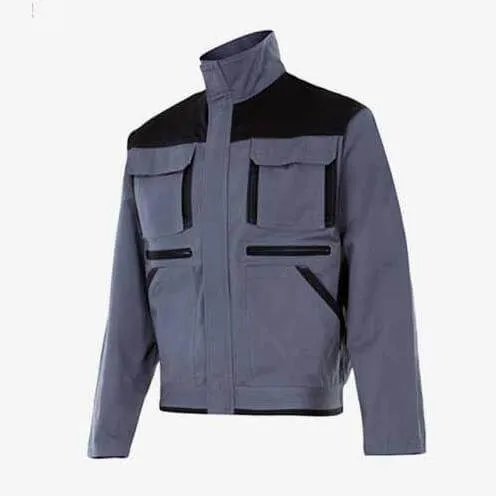
Get a Custom FR Clothing Quote from VisonSafety
Frequently Asked Questions
Can I use bleach on FR clothing?
No. Bleach is not recommended unless the manufacturer explicitly allows it. Bleach can weaken fibers and finishes that provide flame resistance and may compromise the garment’s protective qualities. Use neutral detergents approved for FR fabrics and always check the care label for specific guidance to protect safety and compliance.
How often should I inspect my FR clothing?
Inspect FR garments before each use. Regular checks catch holes, frayed seams, or other damage that could reduce protection. Establishing a routine inspection schedule and documenting findings supports safety programs and helps track the garment’s service life against NFPA and ASTM requirements.
What should I do if my FR clothing gets stained?
Pre‑treat stains with an approved neutral detergent or an enzyme cleaner specified as safe for FR fabrics, and launder according to the manufacturer’s instructions. Avoid harsh chemicals and bleach, and use a controlled wash cycle to prevent unnecessary heat exposure that could compromise fabric integrity.
Are there specific storage conditions for FR clothing?
Yes. Store FR garments in a cool, dry area away from direct sunlight, strong chemicals, and pests. Proper storage prevents fiber degradation. Hanging garments rather than folding reduces creasing and seam stress, helping preserve functionality and extend lifespan.
What is the best way to dry FR clothing?
Dry FR clothing on low to medium heat tumble cycles and remove items promptly to avoid extended thermal exposure. High temperatures can stress fibers and trims and may compromise flame resistance. When possible, air‑dry delicate trims. Always follow the manufacturer’s drying recommendations.
How can I ensure my FR clothing remains compliant with safety standards?
Follow the manufacturer’s care instructions precisely: use approved detergents, avoid fabric softeners and bleach unless authorized, and adhere to recommended washing and drying practices. Regular inspections, proper storage, and documented maintenance support ongoing compliance with NFPA and ASTM standards and help preserve protective performance.
What should I do if my FR clothing is damaged?
Assess the damage to decide between repair and replacement. Minor seam issues can often be repaired by certified providers in a way that maintains FR properties—document those repairs. If damage compromises the protective layer or the garment has reached its service life per manufacturer guidance, replace it to ensure worker safety and compliance.
Conclusion
Protective performance of FR clothing depends on proper care. Avoid conventional fabric softeners, follow manufacturer laundering guidance, and use the safe cleaning and maintenance practices outlined here to extend garment life and preserve certification value. For more guidance on FR clothing care or to explore our certified apparel range, visit our site or contact VisonSafety. Keep your workforce safe by making informed, manufacturer‑aligned decisions about garment maintenance.
 English
 Deutsch
 Français
 Polski
 Português do Brasil
 Español
 日本語
日本語 Русский
 العربية
 Italiano
 Nederlands
 Türkçe
 한국어
한국어