
Flame resistant (FR) clothing can be tumble dried, but only under controlled conditions that preserve flame resistance and garment integrity. This article explains when low-heat tumble drying is acceptable, why air drying or damp removal is often preferred, and which additives or practices to avoid to prevent residue that undermines protection. You will learn specific dryer settings guidance, practical damp removal steps, and simple checks that maintenance managers and workers can use to keep FR coveralls, jackets, pants, and shirts compliant with safety standards. The guide also maps manufacturer-care obligations and certification implications so purchasing and laundry decisions support long-term protection. Finally, we include quick-reference tables, checklists, and recommended alternatives to dryer sheets and fabric softeners for clear operational use.
Can You Safely Tumble Dry Flame Resistant Clothing?
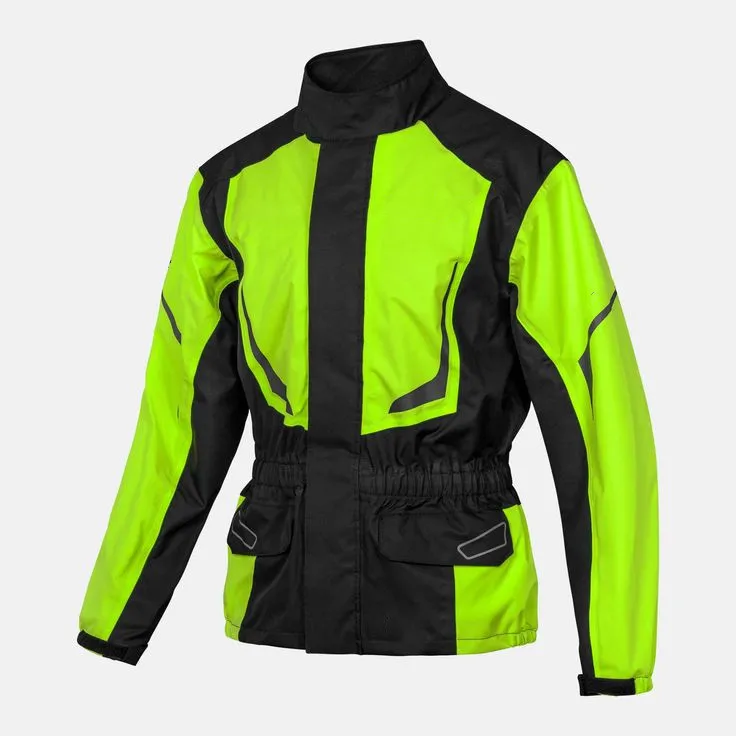
Get a Custom FR Clothing Quote from VisonSafety
Tumble drying FR clothing is permissible when low heat and short cycles minimize thermal stress and preserve protective finishes. Low-heat tumble drying reduces shrinkage, limits fiber degradation, and maintains seam integrity, delivering a practical balance between drying speed and safety. Controlled tumble drying is valuable for field crews and industrial fleets where air drying is impractical, but it must be paired with good handling and strict avoidance of residue-forming additives. Below is a quick checklist to prepare garments for safe tumble drying, followed by a comparison of methods to help decide between tumble and air drying.
Prepare FR garments for controlled tumble drying with the following checklist:
- Empty all pockets and close zippers and flaps before drying.
- Turn garments inside out to protect outer finishes and trims.
- Use a low-heat or permanent-press cycle and avoid overloading the dryer.
These steps reduce abrasion, protect trims and logos, and help maintain the garment’s protective fit. Following these operational controls sets up the next considerations about specific dryer settings and the risks posed by additives.
What Dryer Settings Are Recommended for FR Clothing?
Recommended dryer settings for FR clothing emphasize low temperatures and gentle cycles to reduce heat exposure while still removing moisture efficiently. Select a low or permanent-press tumble cycle and avoid high-heat or steam-dry functions that increase the risk of shrinkage and finish breakdown. Operators should interpret care labels literally: if a label specifies “tumble low” or shows a low-temperature symbol, follow that instruction to preserve tested performance. These conservative settings maintain dimensional stability across FR coveralls, FR jackets, and FR pants while reducing stress on meta-aramid or cotton-blend fabrics.
How Does High Heat Affect FR Fabric Performance and Safety?
High heat accelerates thermal and mechanical degradation of both inherent and treated FR fabrics, potentially weakening fibers and diminishing char strength that contributes to flame resistance. Excessive temperatures can cause shrinkage that alters fit and protective coverage, which in turn compromises safety in arc or flash scenarios where proper fit is critical. High heat may also damage seam integrity and cause trims or printed logos to delaminate, introducing hot spots or flammable edges. Understanding these failure modes explains why conservative dryer settings and alternative drying methods are preferred to sustain compliance.
What Are the Risks of Using Dryer Sheets or Fabric Softeners with FR Garments?
Dryer sheets and many liquid fabric softeners leave hydrophobic, flammable residues on textiles that reduce the surface energy and can impair flame resistance and thermal performance. Residue deposition can change how a fabric chars and increase burn intensity, counteracting the protective chemistry of treated or inherent FR fibers. Instead of chemical softeners, use wool dryer balls or a final vinegar rinse to reduce static without leaving flammable coatings. These safer alternatives help maintain anti-static properties where required while avoiding the residue risks that fabric softener products introduce.
| Drying Method | Temperature / Cycle | Pros and Cons / Impact on FR |
|---|---|---|
| Low-heat tumble | Low / permanent press | Pros: faster than air, lower shrinkage; Cons: some heat exposure—monitor cycles |
| Air drying | Ambient / hang dry | Pros: preserves finishes and fit; Cons: slower, less practical for fleet operations |
| Damp removal | Short tumble then hang | Pros: minimizes heat exposure and wrinkles; Cons: requires operator timing |
This table compares common drying approaches to clarify trade-offs for workplace decision-making. Choosing the right method depends on operational constraints and certification requirements.
VisonSafety’s manufacturing emphasis on seam quality and traceable materials explains why low-heat drying guidance matters: their Flame Retardant Clothing construction uses tested fabrics and quality control measures to ensure care instructions reliably preserve certified performance. This manufacturer-level context reassures B2B buyers that following low-heat tumble practices aligns with how garments were engineered and tested.
What Is the Best Way to Dry FR Garments to Preserve Flame Resistance?
Air drying is the preferred method to preserve flame resistance because it eliminates thermal stress and avoids deposition of residues associated with many additive products. Air drying maintains fabric finishes, prevents excess shrinkage, and minimizes mechanical abrasion from tumbling, preserving the protective geometry of FR garments. For operations where air drying is not feasible, the damp removal technique provides a practical compromise that reduces heat exposure while still delivering acceptable appearance and fit. Below is a concise comparison of air drying and tumble drying alongside a recommended routine for damp removal.
- Air drying preserves finishes and reduces shrinkage compared to tumble drying.
- Tumble drying is faster but requires strict low-heat controls to avoid damage.
- Industrial laundries can offer controlled processes that balance throughput and garment integrity.
These points lead directly into the stepwise damp removal technique that many maintenance managers adopt when speed is needed without excessive heat.
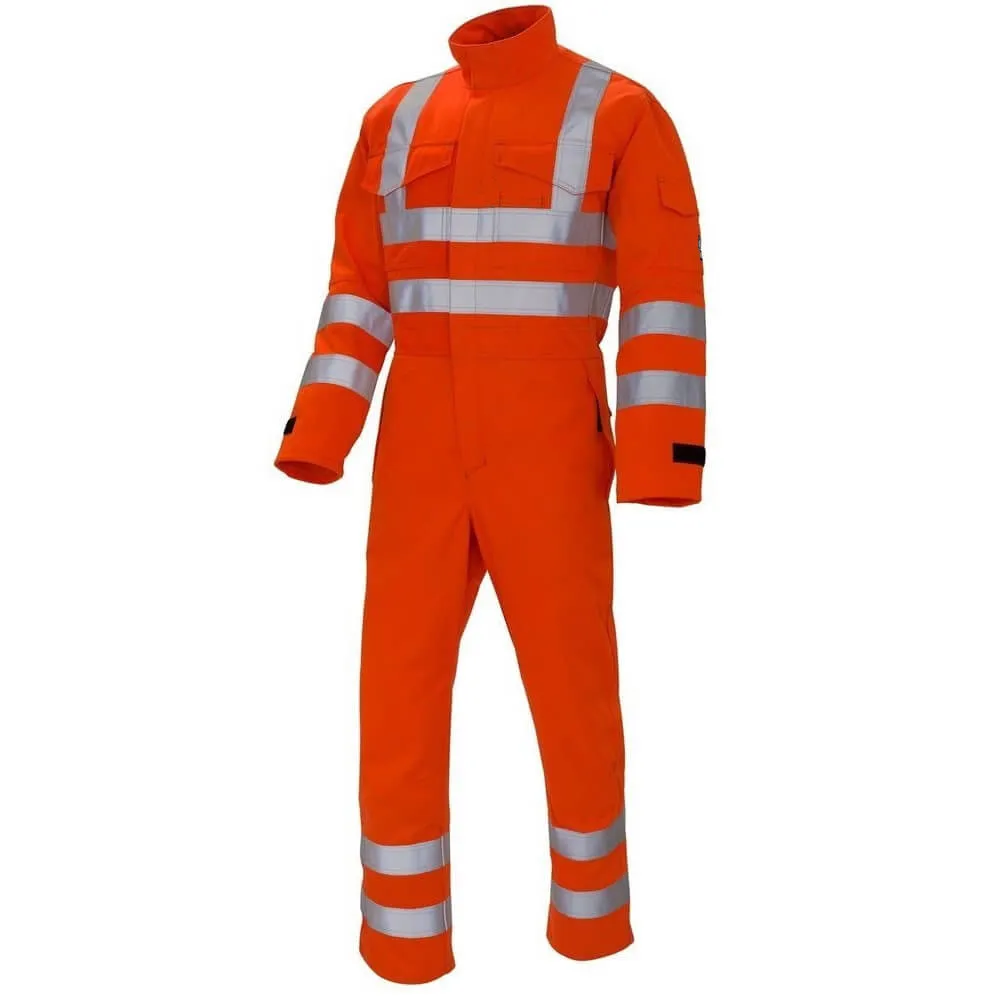
Get a Custom FR Clothing Quote from VisonSafety
How Does Air Drying Compare to Tumble Drying for FR Clothing?
Air drying preserves both treated finishes and inherent fiber properties by avoiding elevated temperatures and mechanical tumbling, which limits dimensional change and residue interaction. Using a line or flat surface for drying helps maintain garment shape and reduces stress on seams and trims, which supports long-term compliance with NFPA 2112 and similar standards. The trade-off is time: air drying takes longer and may be less practical for large fleets, so organizations must weigh turnaround needs against preservation of FR properties. For many operations, a mixed approach—air drying when possible, low-heat tumble only when necessary—delivers the best balance of safety and efficiency.
What Is the ‘Damp Removal’ Technique and How Does It Help FR Clothing?
The damp removal technique stops a short tumble cycle while garments remain noticeably damp, then removes and reshapes the items to finish air drying, reducing total heat exposure. Step-by-step, damp removal includes halting the dryer 10–20 minutes before the end, smoothing seams and hems, and hanging garments to complete drying in ambient conditions. This approach reduces wrinkle setting and shrinkage while saving time compared with full air drying, making it suitable for busy maintenance rooms. Implementing damp removal requires timing discipline but significantly lowers the risk of heat-related degradation when compared with full high-heat tumble cycles.
- Run a short, low-heat tumble until garments are evenly damp.
- Stop the dryer, promptly remove and reshape each garment.
- Hang items to finish drying at ambient temperature until fully dry.
Damp removal produces quicker turnaround with much lower thermal impact than extended tumble drying, enabling operational throughput without sacrificing safety.
How Should You Follow FR Clothing Care Instructions for Drying?
Manufacturer care labels and documented laundering guidance are authoritative because they reflect material selection, finish chemistry, and certification testing that determine safe handling. Care labels encode the tested limits for temperature and cycles; following them preserves certification performance as manufacturers expect. For fleet managers, documenting and communicating these care procedures is part of maintaining compliance and traceability across serviced garments. Below is a short actionable checklist for following manufacturer drying instructions in an industrial or workplace laundry program.
- Read and record care label symbols and any supplemental manufacturer laundering instructions.
- Apply only approved temperature and cycle settings; log deviations and rationale.
- Maintain records linking garments to batch test documentation and supplier guidance.
These steps help ensure laundering practices do not inadvertently void warranties or reduce FR performance, and they set up the next discussion on standards that influence care recommendations.
Why Is Following Manufacturer Drying Guidelines Critical for FR Workwear?
Manufacturer guidelines reflect the combination of fabric chemistry, seam construction, and finish that was tested during certification, so adhering to these instructions preserves required performance after laundering. Ignoring those instructions can lead to unexpected degradation, potentially voiding warranties or undermining compliance with purchaser obligations. Traceability—linking a garment to its production batch and test documentation—supports decisions about acceptable laundering practices and helps resolve disputes about service life. Consistent adherence to manufacturer guidance thus safeguards both worker protection and organizational liability management.
How Do Certifications Like NFPA 2112 and UL Influence Drying Recommendations?
Certifications such as NFPA 2112 and UL set performance expectations that depend on garments maintaining tested characteristics after routine laundering, so drying practices form part of a compliance ecosystem. These standards require that materials and constructions meet specific thermal and flammability performance; improper drying can alter those properties and affect test outcomes. Manufacturers factor care guidance into their compliance documentation, and buyers should request laundering instructions and evidence of batch testing to ensure in-service maintenance preserves certification. Understanding this link between standards and care explains why documented procedures are essential for procurement and operations teams.
Drying Flame Resistant Clothing | FAQs
This section answers frequent practical questions about drying FR workwear with short, direct guidance useful for PAA snippets and quick operational reference. Each answer highlights the condition or exception that determines safe practice, emphasizing low-heat tumble, avoidance of residue-forming additives, and reliance on manufacturer labels.
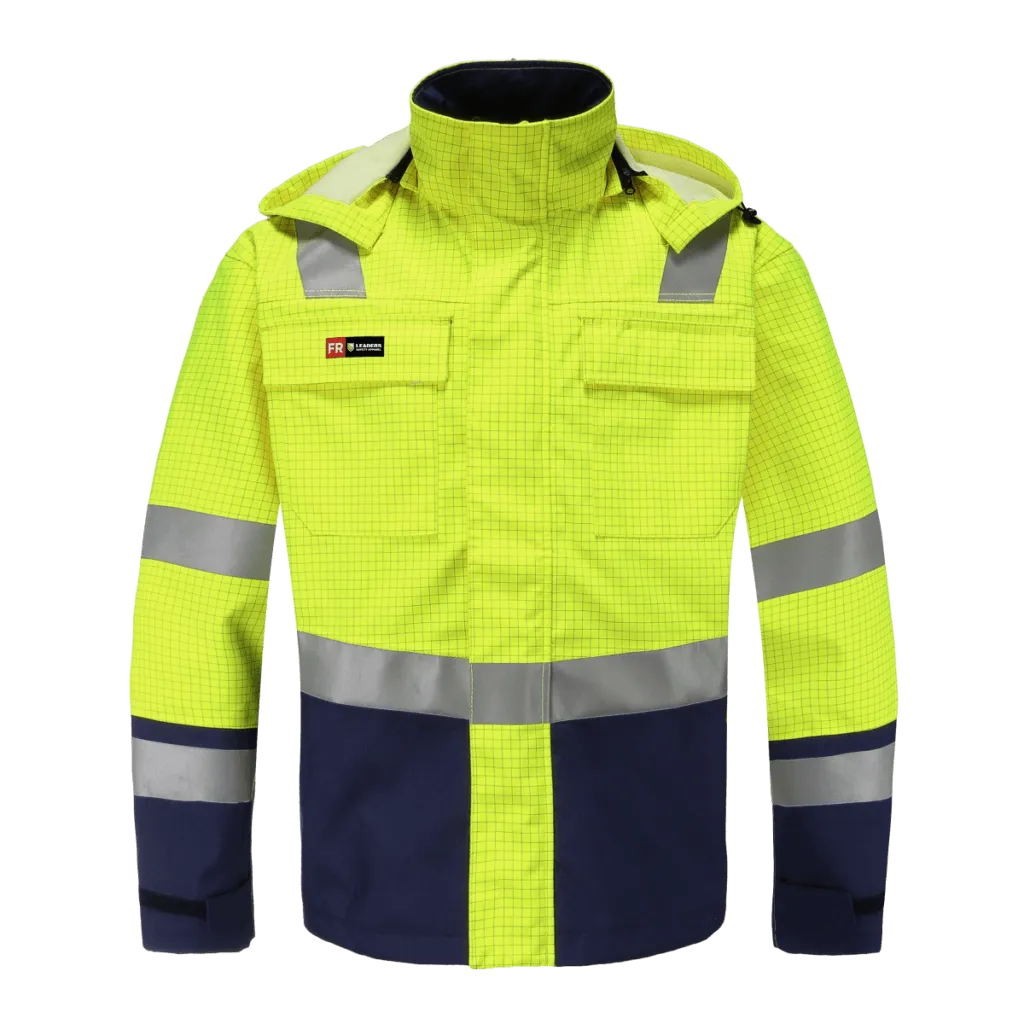
Get a Custom FR Clothing Quote from VisonSafety
Can You Put FR Clothing in the Dryer Without Damaging It?
Yes — FR clothing can be dried in a dryer if done on low heat and with appropriate precautions, but uncontrolled high heat and residue-forming additives increase the risk of damage. Always prepare garments (empty pockets, close zippers) and follow the care label’s tumble guidance, using low or permanent-press cycles. Avoid fabric softeners and dryer sheets to prevent flammable residue. These conditions minimize shrinkage, protect seams, and reduce the chance that laundering will undermine protective performance.
What Temperature Should You Use When Drying FR Workwear?
Use low-heat or permanent-press dryer settings rather than high-heat cycles to limit thermal stress and shrinkage in FR fabrics. If the garment’s care label specifies a temperature or symbol, defer to the manufacturer’s instruction because it reflects the tested limits for that specific fabric and finish. Lower temperatures preserve fiber integrity and prolong the life and fit of FR garments. This conservative approach reduces the risk of performance loss over repeated launderings.
Are Dryer Balls Safe to Use with FR Clothing?
Wool dryer balls are generally safer than chemical dryer sheets because they do not deposit hydrophobic residues, but air drying remains the safest option for preserving FR performance. Avoid plastic or heavily treated dryer balls that might abrade fabrics or contain coatings that can transfer to garments. If tumble drying, use wool balls sparingly on low heat and inspect garments for any unexpected surface changes. Choosing low-abrasion, residue-free alternatives helps maintain anti-static treatments and fabric finishes.
How Does Proper Drying Extend the Lifespan and Safety of FR Clothing?
Proper drying minimizes thermal and mechanical stress on FR fabrics and finishes, preserving char performance, seam strength, and dimensional stability that together maintain protective coverage and compliance. Sustaining fit prevents exposure gaps and preserves the engineered protective zones of FR coveralls, shirts, and jackets, which is essential for worker safety in thermal hazard environments. For B2B purchasers, consistent care and manufacturer-tested laundering protocols reduce replacement frequency and support predictable fleet budgeting. Below is a quick-reference matrix linking common drying practices to expected outcomes for maintenance managers deciding on laundry protocols.
| Drying Practice | Effect on Lifespan / FR Integrity | Recommendation |
|---|---|---|
| Low-heat tumble | Moderate preservation with faster turnaround | Use when required, monitor cycles |
| Air drying | Best preservation of finishes and fit | Preferred when feasible |
| Damp removal | Good balance of speed and protection | Recommended for fleet operations |
This matrix helps maintenance teams choose procedures that optimize service life without sacrificing operational needs. Proper drying choices therefore translate directly into cost-avoidance and sustained protection.
What Role Does Low Heat Drying Play in Maintaining FR Properties?
Low-heat drying reduces thermal degradation and mechanical stress on fibers and finishes, slowing the loss of protective chemistry that contributes to char formation and reduced burn intensity. By keeping shrinkage minimal, low heat helps maintain the garment’s designed fit and protective coverage, which is especially important for FR overalls and jackets. Pairing low-heat cycles with damp removal further lowers cumulative heat exposure across successive launderings. These practical measures directly support long-term compliance and safety.
How Does VisonSafety’s Manufacturing Support Durable FR Apparel Care?
VisonSafety’s approach—emphasizing certified materials, seam quality, and 100 percent fabric batch testing within an ISO 9001 facility—creates a reliable baseline for care instructions that buyers and laundries can trust. Material traceability and documented OEKO-TEX, CE, and UL documentation allow B2B clients to align laundering protocols with the specific properties of the supplied Flame Retardant Clothing. For organizations managing fleets, this manufacturer-level transparency supports tailored care labeling and communication that preserve certification performance and maximize garment service life.
 English
 Deutsch
 Français
 Polski
 Português do Brasil
 Español
 日本語
日本語 Русский
 العربية
 Italiano
 Nederlands
 Türkçe
 한국어
한국어