
Flame-resistant (FR) apparel is engineered to resist ignition and minimize burn injuries. It achieves this through specialized fibers, protective treatments, and smart garment design that disrupt the combustion process and limit heat transfer. This guide dives into what makes FR clothing fire-resistant, exploring the core materials (inherent vs. treated), the protective mechanisms at play (self-extinguishing, charring, insulation, non-melting), and the certifications that confirm performance. You’ll discover how materials like meta-aramid, modacrylic, and FR-treated cotton function at the fiber level, why specific protective mechanisms are vital for wearer survival time, and which standards are essential for industries like welding, utilities, and oil & gas. We also cover practical applications, selection guidance, and manufacturer quality controls, including batch testing and OEM/ODM customization. Throughout, we’ll highlight key terms like “FR clothing,” “flame retardant fabric technology,” and “FR clothing standards NFPA EN” to help safety managers and B2B buyers navigate technical choices and procurement checkpoints.
What’s Inside FR Clothing That Makes It Fire-Resistant?
The materials used in FR clothing fall into two main camps: inherent fibers with built-in flame-resistant chemistry, and FR-treated fabrics that receive finishes to reduce flammability while maintaining comfort. Inherent fibers, such as meta-aramid and modacrylic, are engineered to char rather than melt, preventing molten polymer contact and preserving thermal protection. Treated cotton utilizes durable chemical finishes to slow flame spread, offering a breathable and cost-effective option, though its longevity depends on care and laundering. Selecting the right material involves balancing protection (non-melting, charring properties) with comfort and durability tailored to the specific industry hazards.
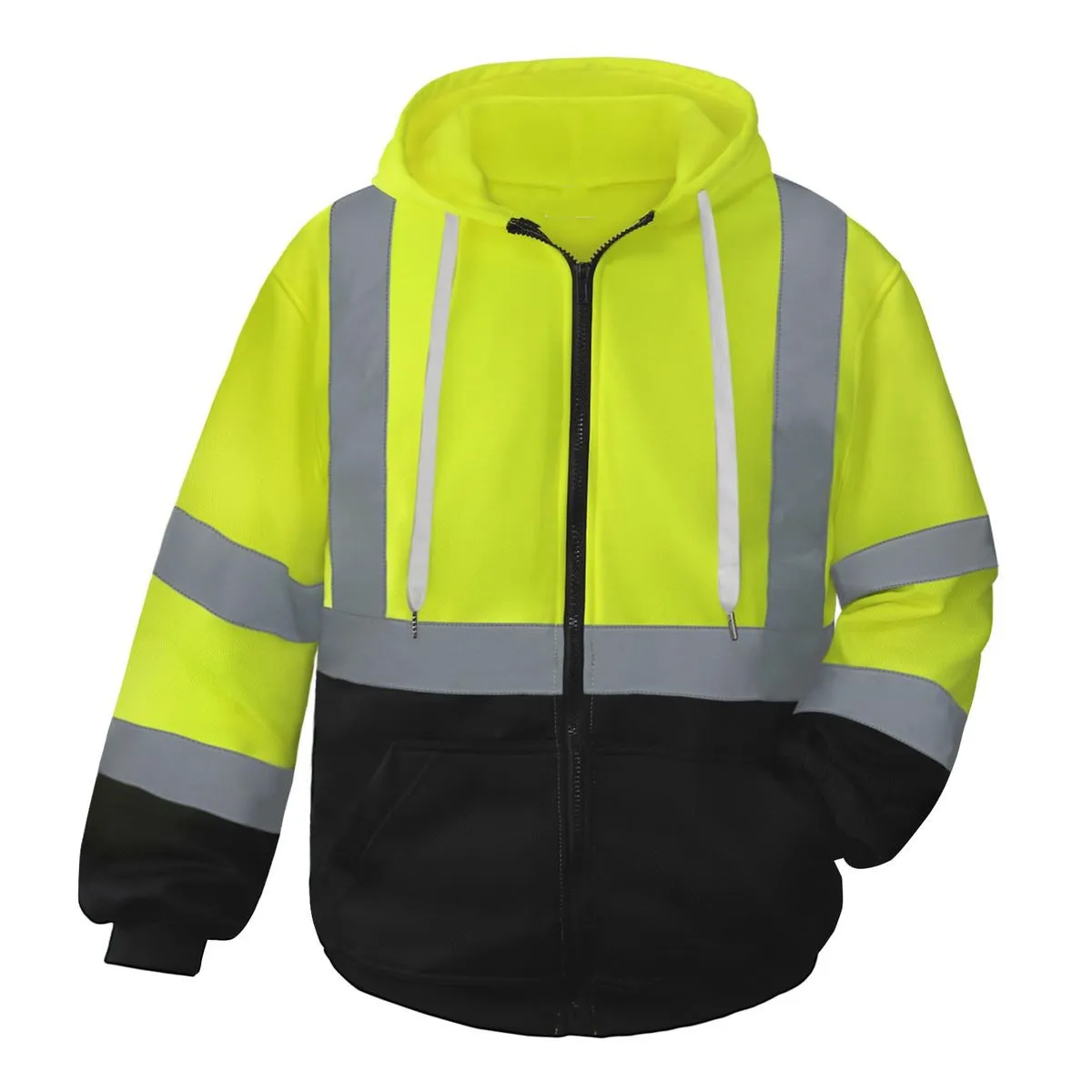
Get a Custom FR Clothing Quote from VisonSafety
How Do Meta-Aramid Fabrics Offer Fire Protection?
Meta-aramid fibers are inherently flame-resistant due to their molecular structure, which is highly stable and resists breaking down into flammable gases. This chemistry causes the fiber to char and form a protective carbon layer, slowing heat transfer and oxygen flow, thereby extending the wearer’s escape time. Meta-aramid garments won’t melt or drip, significantly reducing the risk of secondary burns from molten material and enhancing safety during arc flash and flash fire events. They are typically used in arc-rated garments, welding outerwear, and other heavy-duty protective wear demanding consistent high-temperature performance.
What Part Do Cotton Blends Play in Flame Retardancy?
FR-treated cotton blends achieve flame resistance through chemical treatments applied to the surface or within the fabric matrix. These treatments interrupt the combustion process and encourage char formation when exposed to heat. These blends retain the comfort, breathability, and affordability of cotton, providing adequate protection for lighter industrial tasks or general wear where extreme heat exposure is less likely. It’s important to note that the durability of the treatment varies by formula and laundering practices; some finishes withstand repeated washing, while others degrade over time. FR-treated cotton is best suited for applications where user acceptance and comfort are paramount, provided washing instructions are followed and batch testing confirms ongoing performance.
How Does Modacrylic Fabric Boost Fire Safety?
Modacrylic is an inherently flame-resistant synthetic fiber that strikes a balance between protection and comfort, offering a soft feel alongside its charring properties. The fiber resists ignition and typically forms a stable char instead of melting, which helps prevent severe burns from molten polymer contact during high-heat incidents. Modacrylic is often blended with other fibers to enhance wearability and reduce cost while retaining essential FR characteristics, making it ideal for garments requiring a softer touch and frequent wear. It’s commonly found in liner fabrics, blended outerwear, and apparel where a softer texture is desired without compromising baseline FR performance.
Different materials present distinct advantages and disadvantages, influencing choices based on specific hazards and comfort requirements.
A study examining workwear materials against molten metal hazards revealed notable differences in performance across various fabric types.
Performance of Workwear Materials Against Molten Metal Hazards: FR Cotton, Meta-Aramid, and Other Fibers
The workwear materials evaluated included FR-cotton, cotton denim, modacrylic-viscose-FR cotton, meta-aramid, aluminized aramid, FR viscose-wool-polyamide, and leather. Significant variations in performance were observed. With the exception of meta-aramid and both FR cotton fabrics, the other materials failed the flame spread test. In contrast to flame spread performance, leather, aluminized aramid, FR viscose-wool-polyamide, and cotton denim materials exhibited the highest levels of molten metal protection.
Workwear fabric suitability to molten metal industry, B Kutlu, 2020
| Material | Key Trait | Common Application |
|---|---|---|
| Meta-aramid | Inherent; chars, won’t melt; highly heat-stable | Arc-rated outerwear, welding jackets |
| Modacrylic | Inherent; soft feel, chars, comfortable | Blended FR garments, liners |
| FR-Treated Cotton | Treated finish; breathable, economical; wash durability varies | General-duty work shirts, light industrial wear |
This comparison highlights how material selection aligns with industry demands and wearer needs, guiding procurement teams to prioritize non-melting fibers for high-heat risks and treated cotton for comfort-focused roles.
VisonSafety’s Flame Retardant Clothing line—featuring FR jackets, pants, and coveralls—demonstrates how these materials are integrated into various garment types, utilizing meta-aramid and cotton blends to effectively address industry hazard profiles and wearer comfort preferences.
How Do Fire Resistance Mechanisms Work in FR Clothing?
FR clothing offers protection by employing physical and chemical mechanisms designed to halt or slow combustion, reduce heat transfer, and prevent hazards from molten materials. Key mechanisms include self-extinguishing properties, char formation, thermal insulation provided by the fabric structure, and non-melting fibers that prevent dripping. Each mechanism contributes to a practical outcome—less flame spread, lower heat flux to the skin, and more time to escape or be rescued—directly reducing the severity of burns. Understanding these mechanisms helps safety managers select appropriate fabrics and garment designs for anticipated exposure scenarios.
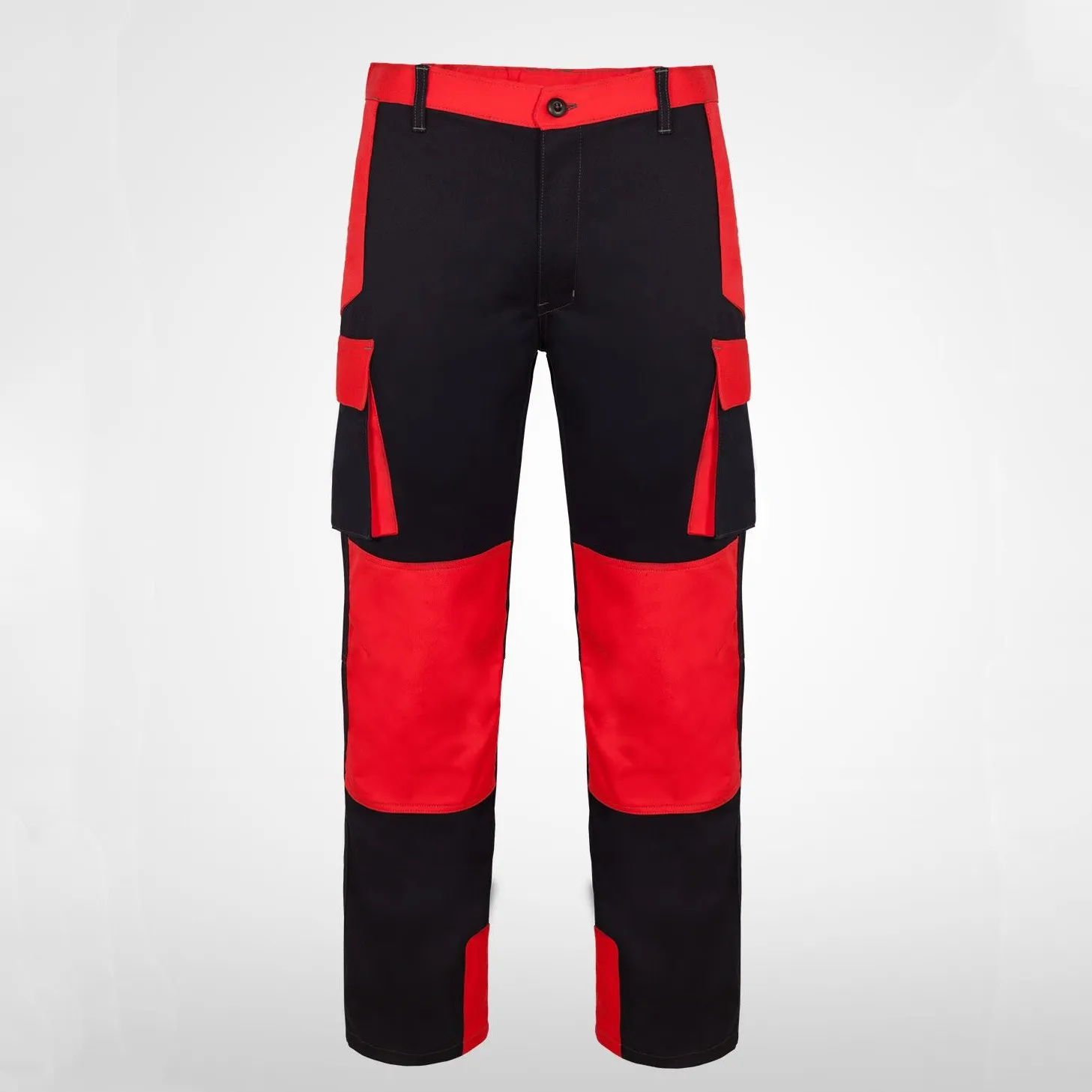
Get a Custom FR Clothing Quote from VisonSafety
What Does the Self-Extinguishing Property Mean for FR Fabrics?
Self-extinguishing fabrics cease to burn once the ignition source is removed because their inherent chemistry prevents the sustained combustion of volatile materials. This characteristic minimizes residual flame after contact with sparks or brief flames, reducing the likelihood of clothing continuing to fuel a fire. Fibers with self-extinguishing properties—often found in certain inherently FR synthetics and treated cottons—thus shorten burn duration and lessen injury severity in cases of brief or intermittent ignition. For procurement, self-extinguishing performance is a critical factor in environments where transient ignition sources are present.
How Does Charring Provide Protection Against Fire?
Charring creates a carbonized surface layer on the fiber, acting as a thermal barrier that slows heat transfer to underlying layers and the skin. Materials that char instead of melting (like meta-aramid, modacrylic, and treated cellulose) maintain their structural integrity and delay heat penetration, giving the wearer more time to escape or be rescued. The char layer also restricts oxygen flow to the material beneath, reducing the potential for sustained burning. Choosing char-forming fibers is therefore crucial in situations where prolonged heat exposure or radiant heat is a likely hazard.
Why Is Thermal Insulation Important in FR Clothing?
Thermal insulation in FR clothing is achieved through fabric thickness, weave structure, and layering, all of which slow down conductive and convective heat transfer to the skin during exposure. Effective insulation reduces peak heat flux and the rate at which skin temperature rises, directly minimizing burn depth and severity. Designers balance insulation with breathability to ensure wearer comfort and compliance; layering systems can add adaptable protection without sacrificing comfort during regular tasks. For applications involving intermittent heat exposure, designers often combine insulating weaves with char-forming fibers to maximize both protection and wearability.
What Does Non-Melting Fabric Mean for Fire Safety?
Non-melting fibers resist softening and dripping when subjected to high temperatures, thereby eliminating the risk of molten polymer contact that can cause deep, adhesive burns. This property is vital in welding, petrochemical, and arc flash environments where molten droplets or softened polymers pose a severe injury threat. Opting for non-melting, char-forming fibers significantly reduces secondary burn hazards and maintains the material’s integrity under thermal stress. For high-risk activities, non-melting behavior is a primary selection criterion, alongside arc ratings and validated test results.
Different mechanisms correspond to specific material choices and expected protective outcomes:
| Mechanism | Prevents | Practical Benefit |
|---|---|---|
| Self-extinguishing | Continued flame spread | Shorter burn time; reduced injury |
| Charring | Heat transfer and oxygen flow | Slower heat penetration; increased escape time |
| Thermal insulation | Rapid temperature increase | Lower skin heat flux; decreased burn depth |
This table clarifies how fabric behavior translates into wearer protection, assisting teams in prioritizing features when specifying FR clothing.
Which Certifications and Standards Guarantee FR Clothing Fire Resistance?
Certifications confirm that garments meet standardized testing methods for specific hazards. Common standards provide clarity on scope and testing focus, enabling buyers to specify the correct level of protection. Standards like NFPA 2112, EN 11611, EN 1149, UL, and ANSI address different exposures—flash fire, welding splatter, electrostatic discharge, and general performance testing. Specifying the right standards ensures product selection aligns with regulatory requirements and operational needs. Employers and procurement teams should always request test reports and certificates linked to the intended hazard and confirm that fabric batches have been tested accordingly. This standards-driven approach minimizes procurement risks and ensures garments perform as expected in real-world conditions.
What Is NFPA 2112 and Why Is It Crucial?
NFPA 2112 establishes requirements for garments designed to protect against flash fires, detailing thermal performance and seam strength through controlled tests. It’s widely adopted in industries like oil & gas and petrochemical where flash fire risks are present. Buyers should insist on NFPA 2112 certification for protective outerwear exposed to such hazards. The standard assesses heat transfer performance and garment integrity to ensure a baseline level of protection during brief, intense exposures. Requiring NFPA 2112 signifies that garments have been designed and tested specifically for flash fire resistance.
How Do EN 11611 and EN 1149 Standards Apply to FR Clothing?
EN 11611 pertains to protective clothing used in welding and similar processes, evaluating resistance to ignition and protection against small splashes of molten metal. EN 1149, on the other hand, addresses electrostatic properties to mitigate ignition risks in potentially explosive atmospheres. European buyers often require both standards when welding operations occur in environments with electrostatic hazards, as combined compliance confirms both thermal and electrostatic protection. For welding safety, EN 11611 serves as the baseline; EN 1149 should be added when anti-static performance is necessary for the worksite.
What Role Do UL and ANSI Certifications Play?
UL testing and ANSI standards offer recognized testing methodologies or performance benchmarks for materials and equipment safety within North America, often complementing hazard-specific standards like NFPA or EN. UL evaluates certain textile and component behaviors under standardized conditions, while ANSI publishes consensus standards that buyers reference for general performance criteria. Requesting UL or ANSI test reports helps buyers confirm material behavior under tested conditions and supports compliance documentation for procurement decisions.
How Does OSHA Influence FR Clothing Requirements?
While OSHA does not directly certify garments, it enforces employers’ responsibility to provide appropriate personal protective equipment (PPE). OSHA often references consensus standards as proof of compliance. Employers utilize NFPA, EN, ANSI, and UL as accepted benchmarks to meet OSHA requirements for worker protection during hazardous tasks. Specifying these standards in procurement demonstrates due diligence and helps employers document that the selected FR clothing meets recognized consensus performance tests. For safety managers, aligning standards with OSHA obligations reduces regulatory and liability risks.
| Standard | Focus Area | When to Specify |
|---|---|---|
| NFPA 2112 | Flash fire protection | Oil & gas, petrochemical, high flash fire risk environments |
| EN 11611 | Welding and allied processes protection | Welding and related tasks |
| EN 1149 | Electrostatic dissipative properties | Explosive atmospheres or where anti-static needs exist |
This standards guide assists procurement teams in matching test scopes with operational hazards and clarifying which certificates to request from suppliers.
VisonSafety is committed to certified manufacturing and rigorous testing practices—including ISO 9001 facility processes, UL/NFPA/EN/ANSI test compliance, and 100 percent fabric batch testing—to assure B2B buyers that our Flame Retardant Clothing meets documented compliance and traceability standards.
In Which Industries and Applications Is FR Clothing Essential for Fire Safety?
FR clothing is indispensable in environments where ignition sources and thermal hazards pose risks of flash fire, arc flash, or molten material contact. Identifying specific industry hazards—such as welding sparks, electrical arc energy, or flash fires in petrochemical facilities—allows teams to specify materials and standards that accurately address the risks. Practical selection involves considering material properties (non-melting, charring), required standards (EN 11611, NFPA 2112, arc ratings), and user factors like comfort and laundering to ensure both protection and compliance. The procurement checklists and examples provided below help safety managers translate hazard assessments into precise garment specifications.
- Welding and heavy industry: Risks include sparks, slag, and high-temperature contact. Prioritize char-forming, non-melting fibers and EN 11611 compliance.
- Utilities and electrical work: Primary hazard is arc flash energy. Prioritize arc-rated fabrics, anti-static properties, and arc testing.
- Oil & gas and petrochemical: Significant flash fire hazards. Require NFPA 2112 certification and durable fabric performance.
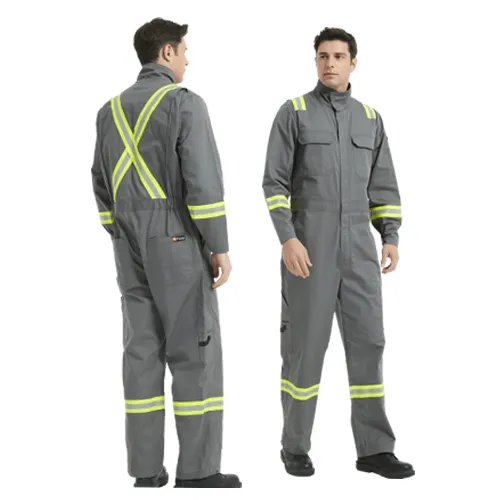
Get a Custom FR Clothing Quote from VisonSafety
Why Is FR Clothing Critical for Welding and Heavy Industry?
Welding and heavy industry operations present direct risks from sparks, slag, and high-temperature contact, which can easily ignite conventional fabrics and produce molten droplets. Non-melting, char-forming materials reduce the likelihood of molten polymer burns and maintain garment integrity during exposure, while standards like EN 11611 validate protection against welding splatter. Garment construction, including reinforced seams, secure closures, and layered protection, is also vital for consistent performance under mechanical and thermal stress. For welders, selecting fabrics and certified garments that combine charring behavior with robust construction directly lowers burn risk.
How Does FR Clothing Protect Workers in Utilities and Electrical Fields?
In utilities and electrical sectors, the main hazard is arc flash—a rapid discharge of electrical energy that can generate extreme heat and thermal radiation. Arc-rated fabrics and properly rated garment systems reduce the incident energy exposure to the body. Additionally, anti-static features (EN 1149) help prevent electrostatic buildup that could trigger ignition. Employers determine appropriate arc ratings based on task analysis and incident energy calculations, then procure garments tested to the relevant arc performance standards. Combining arc rating with non-melting fibers and layered insulation offers the highest level of protection for electrical workers.
What Are the Fire Safety Needs in Oil and Gas Sectors?
Oil and gas operations face substantial flash fire risks due to ignitable vapors and brief, intense flame exposure. Consequently, garments must effectively limit heat transfer and resist ignition for the duration of such events. NFPA 2112 certification and robust material performance are commonly mandated in these settings to ensure consistent flash fire protection. Durability, proper maintenance, and verified batch testing are critical, as garment protection must endure repeated laundering and harsh working conditions. Buyers should request documented test reports and traceability to confirm ongoing compliance.
How Do Quality Control and Manufacturing Impact FR Clothing’s Fire Resistance?
Manufacturing controls and thorough testing are essential to ensure that specified materials and finishes perform consistently in finished garments, mirroring their performance in lab samples. Quality measures like 100 percent fabric batch testing verify that every lot meets the declared flame resistance or treatment level, preventing non-conforming material from entering production. Documented ISO 9001 processes, trained personnel, and lab traceability minimize variability and supply chain risks. Validated OEM/ODM customization workflows ensure that modifications (such as adding reflective tape or reinforced seams) do not compromise FR performance. For B2B purchasers, supplier transparency regarding testing and production controls is as crucial as the base material specification.
Why Is 100 Percent Fabric Batch Testing Crucial?
Batch testing confirms that each delivered roll of fabric meets the claimed flame resistance or treatment standard, identifying any deviations in chemical treatment, fiber composition, or finishing that could compromise protection. Typical tests include thermal protective performance, limited flame spread, and seam strength, all tied to the intended standard. The results provide verifiable evidence for procurement acceptance. Requiring batch test certificates and retaining sample reports during the purchasing process reduces the risk of non-conforming lots entering production. Buyers should include batch testing stipulations in their procurement specifications to ensure consistent in-service performance.
How Do OEM and ODM Services Customize Fire Resistant Features?
OEM (Original Equipment Manufacturer) and ODM (Original Design Manufacturer) services enable buyers to specify material blends, reinforced seams, anti-static integration, and reflective tape placement while ensuring FR performance is maintained through validation testing. Manufacturers confirm that any design modifications do not degrade thermal performance or compliance with required standards by conducting sample testing. Standard practice includes minimum sample runs and retesting after customization to ensure production garments match the certified prototype. For brand owners and distributors, partnering with a provider experienced in OEM/ODM workflows minimizes technical risks and accelerates time to market.
What Makes Certified Manufacturing Facilities Reliable for FR Clothing?
Certified facilities demonstrate robust process controls—including ISO 9001 documentation, in-house or third-party testing laboratories, and traceability systems—that support consistent FR product quality across all orders. These controls encompass trained quality assurance staff, rigorous incoming material inspections, and final garment checks linked to test evidence, collectively reducing variability in finished products. Suppliers with documented testing protocols and batch traceability make it easier for buyers to obtain the necessary certificates for compliance audits and tender responses. Prioritizing certified manufacturing partners therefore lowers procurement risk and ensures repeatable garment performance.
Key checks for buyers include:
- Request batch testing certificates: Confirm that every fabric lot has been tested to the required standard.
- Verify facility certifications: Ask for ISO 9001 or equivalent process documentation.
- Require sample validation for OEM/ODM modifications: Ensure any customization is retested before proceeding with bulk production.
VisonSafety enhances its Flame Retardant Clothing offering with OEM/ODM capabilities, 100 percent fabric batch testing, and ISO 9001 facility processes. This supports global buyers seeking verified, compliant FR garments and scalable production with documented traceability.
 English
 Deutsch
 Français
 Polski
 Português do Brasil
 Español
 日本語
日本語 Русский
 العربية
 Italiano
 Nederlands
 Türkçe
 한국어
한국어