
Flame resistant (FR) clothing is specialized protective workwear engineered to resist ignition, self-extinguish, and limit heat transfer to the wearer during brief exposures to flames or thermal hazards. This guide explains what FR clothing is made of, how inherent and treated fabrics work, and why material choice directly affects worker safety, comfort, and regulatory compliance. Many procurement and safety teams need clarity on material trade-offs—thermal stability, melting behavior, breathability, and lifecycle performance—to match garments to hazards. This article will define the main fabric classes, compare key materials such as meta-aramid, Nomex, Kevlar, Modacrylic, and FR cotton blends, summarize the science of protection, map relevant certifications, and give a B2B selection checklist. For buyers seeking manufactured solutions, VisonSafety is positioned as a certified FR clothing manufacturer offering custom Flame Retardant Clothing and OEM and ODM capabilities, which can support specifications and sampling needs while maintaining quality control. Read on for clear, actionable comparisons and mechanisms that inform safe FR clothing selection.
What Are the Primary Types of Flame Resistant Fabrics in FR Clothing?
Flame resistant fabrics fall into two broad categories: inherent (permanent) fibers that resist ignition by their molecular structure, and treated fabrics where natural fibers receive chemical finishes that impart flame resistance. Inherent materials include meta-aramid fibers and high-performance technical synthetics that do not melt or drip, making them preferable where molten polymer contact would worsen burns. Treated options, such as chemically treated FR cotton and blends, offer comfort and breathability but require care to preserve treatment performance after laundering. Understanding this split helps specifiers balance durability, comfort, and certification needs when choosing protective workwear.
This list shows common examples of each category and why they are selected in practice.
- Inherent fibers: Meta-aramid (Nomex-type), para-aramid (Kevlar-type), Modacrylic; selected for permanent thermal stability and non-melting behavior.
- Treated fabrics: FR cotton and cotton blends; chosen for improved comfort and cost-effectiveness where exposure risk is lower.
- Hybrid approaches: Blends of inherent fibers with FR cotton to balance protection and wearability for mixed-duty jobs.
These categories guide procurement teams in matching fabric performance to hazard profiles and workplace comfort requirements.
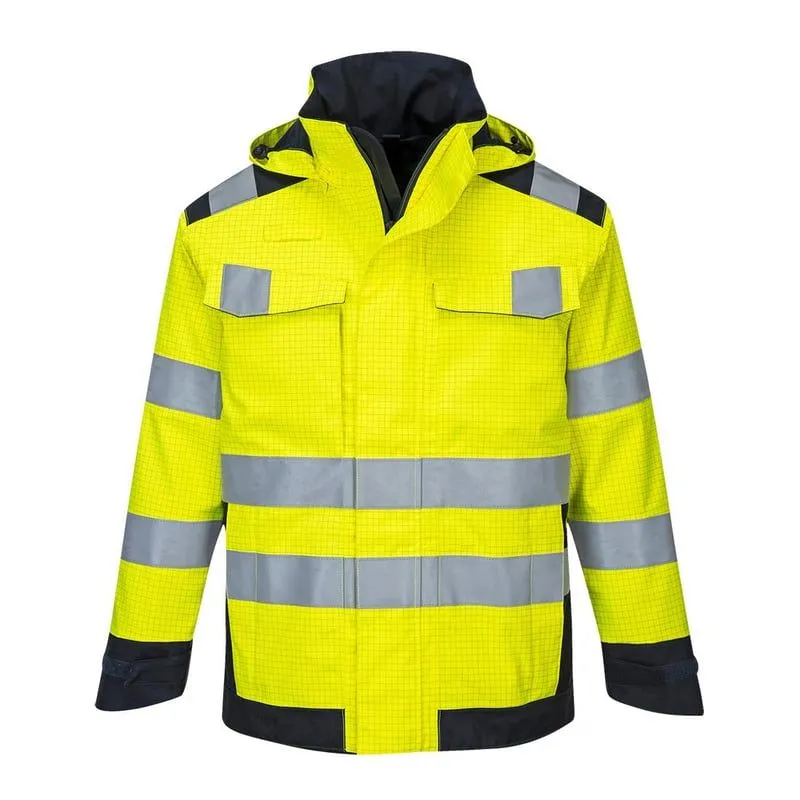
Get a Custom FR Clothing Quote from VisonSafety
What Are Inherent Flame Resistant Materials Like Meta-aramid, Nomex, and Kevlar?
Inherent FR materials are fibers whose chemical backbone resists ignition and forms a protective char rather than melting under heat, which reduces the risk of severe contact burns. Meta-aramid fibers, often grouped with trade names like Nomex in industry discussion, provide high thermal stability and do not drip, making them suitable for electrical, oil and gas, and industrial heat exposure scenarios. Kevlar (a para-aramid) is noted for tensile strength and cut resistance in addition to thermal performance, which helps in environments with abrasion and mechanical hazards. Typical use-cases include arc-flash layers, outer shells for thermal protection, and garments where long-term flame resistance is required without retreatment.
How Do Treated Flame Retardant Fabrics Like FR Cotton and Blends Function?
Treated FR cotton uses chemical finishes that interrupt combustion chemistry at the fiber surface or promote char formation when exposed to flame, which slows flame spread and heat transfer to skin. The advantage of treated cotton blends is improved wearability and breathability compared with many synthetics, which supports worker comfort in warm or active roles. However, chemical treatments can degrade with repeated laundering, abrasion, or exposure to certain detergents, so care instructions and lifecycle planning matter for ongoing protection. For roles with intermittent exposure or where comfort is paramount, treated blends remain a practical choice if maintenance and re-certification are managed.
What Are the Key Properties of Popular FR Materials Like Nomex, Kevlar, and Modacrylic?
Key protective properties for FR materials include thermal stability at high temperatures, char formation that insulates skin, and non-melting behavior to prevent dripping. Strength-to-weight, breathability, and moisture management determine wearer comfort during long shifts, while fabric weight and weave affect thermal protective performance (TPP) and mobility. Buyers should evaluate materials across these attributes to balance protection and ergonomics in the intended application. Below is a focused comparison table summarizing core technical differences to help spec teams decide.
| Material | Key Property | Typical Application |
|---|---|---|
| Meta-aramid (Nomex-type) | High thermal stability, non-melting, strong char | Arc flash, oil & gas, industrial heat |
| Para-aramid (Kevlar-type) | High tensile strength, cut resistance, thermal stability | Cut-resistant layers, reinforcement panels |
| Modacrylic | Self-extinguishing, good softness | Welding jackets, FR liners where comfort is needed |
This comparison underscores how material selection trades off between peak thermal protection and comfort or mechanical performance.
How Does Meta-aramid Deliver Superior Heat and Flame Resistance?
Meta-aramid fibers resist heat through aromatic polymer backbones that do not melt and form a stable char under flame, limiting oxygen contact and conductive heat transfer to the skin. The lightweight strength of meta-aramid allows fabrics to deliver high thermal protective performance without excessive bulk, improving mobility for workers. In practical terms, meta-aramid garments are used when sustained thermal resistance and non-melting behavior are priorities, such as in electrical, petrochemical, and welding-adjacent roles. Selecting meta-aramid therefore reduces the likelihood of melting/dripping injuries while maintaining a favorable strength-to-weight ratio.
What Comfort and Protection Do FR Cotton Blends Provide?
FR cotton blends combine the breathable, soft characteristics of cotton with added flame-retardant chemistry to produce garments that are comfortable for daily wear and suitable for lower-intensity flame hazards. Blend ratios affect both comfort and protection: higher inherent fiber content increases protective permanence, while higher cotton content improves breathability but may lower long-term FR durability. Maintenance is key because treated cotton can lose efficacy with improper laundering; procurement teams should plan for lifecycle testing and re-treatment policies. For many workforces, FR cotton blends strike a pragmatic balance between user acceptance and baseline flame resistance.
How Does FR Clothing Protect Workers? The Science Behind Flame Resistant Fabrics
FR clothing protects via material chemistry and fabric construction that interrupt combustion, form insulating char, and minimize heat transfer; these mechanisms reduce burn severity and limit injury from brief flame exposures. The science relies on three principal behaviors: self-extinguishing reactions, char layer formation that acts as thermal insulation, and non-melting fibers that avoid dripping molten polymers onto skin. Understanding these mechanisms helps safety managers choose materials matched to hazard type, exposure duration, and required certification levels. The following list summarizes the protective mechanisms and their practical safety outcomes.
- Self-extinguishing reactions: Fabrics stop flaming once the ignition source is removed, limiting burn propagation.
- Char layer insulation: Charred fiber structure reduces heat conduction to skin and preserves wearer integrity.
- Non-melting behavior: Inherent fibers prevent molten droplets that can cause deep second- and third-degree burns.
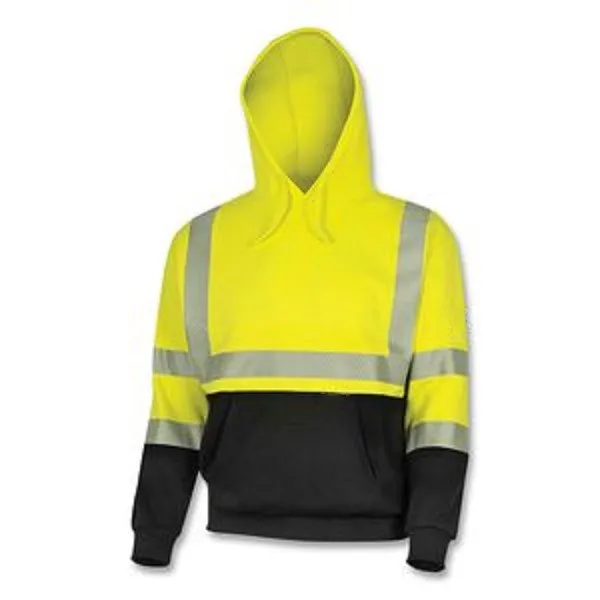
Get a Custom FR Clothing Quote from VisonSafety
What Is the Self-Extinguishing Mechanism in FR Fabrics?
Self-extinguishing occurs when a fabric’s chemistry promotes rapid reduction of combustible volatiles and encourages char formation, so flames do not sustain once the ignition source is removed. This mechanism reduces total heat exposure time to the skin and lowers the potential for flame propagation across garments. It is particularly important in flash fire scenarios where rapid ignition occurs but flame duration is short; fabrics that self-extinguish limit injury severity during the critical seconds after exposure. For procurement, prioritizing materials with proven self-extinguishing behavior aligns fabric choice with realistic exposure profiles.
How Do Thermal Insulation and Char Layer Formation Work in FR Clothing?
When exposed to heat, many FR fibers form a porous char matrix that traps air and reduces heat conduction, acting much like a thermal barrier between the heat source and the skin. The char layer’s structure and thickness determine how effectively it slows heat transfer and reduces skin temperature rise during exposure. Fabrics designed to enhance stable char formation therefore deliver higher TPP values and better short-term protection against flash fires. Specifying materials that reliably char rather than vaporize or melt is a critical design consideration for protective ensembles.
Why Is Preventing Melting and Dripping Crucial in FR Materials?
Melting and dripping can transfer molten polymer directly onto skin, causing severe, deep burns that are more dangerous than surface charring; therefore, avoiding materials that melt under heat is essential in many hazard environments. Inherent fibers such as meta-aramid and para-aramid do not melt, whereas some thermoplastic synthetics can soften, melt, and drip when heated. Selecting non-melting fibers for outer layers prevents secondary injury from molten droplets and simplifies risk assessments for roles with potential polymer heating. Consequently, material selection must prioritize non-melting behavior where molten contact is plausible.
What Certifications Ensure the Quality and Safety of FR Clothing Materials?
Certifications define performance baselines and testing methods that assure buyers the garment meets hazard-specific criteria, such as flash fire resistance, welding protection, or electrostatic dissipation. Key standards include NFPA 2112 for flash fire protection, EN 11611 for welding and allied processes, EN 1149 for electrostatic properties, UL test methods for component verification, and ASTM references like ASTM F1506 for arc flash performance considerations. Understanding which standard applies to a given hazard helps safety and procurement teams specify compliant garments and demand relevant test reports. The table below summarizes core standards and their primary applicability.
| Standard | Applies To | Key Relevance |
|---|---|---|
| NFPA 2112 | Flash fire protection | Specifies garment-level flash fire performance |
| EN 11611 | Welding, allied processes | Addresses radiant heat and small splashes of molten metal |
| EN 1149 | Electrostatic properties | Ensures fabrics dissipate static in explosive atmospheres |
This summary helps technical buyers map standards to workplace hazards and certification requirements.
What Are NFPA 2112, EN 11611, and UL Standards?
NFPA 2112 focuses on flash fire garment performance, defining tests that measure heat transfer and garment behavior under short-duration flames; it is commonly referenced for oil and gas, petrochemical, and certain industrial settings. EN 11611 targets protection for welding and allied operations by evaluating resistance to radiant heat, small molten metal splashes, and limited flame contact. UL standards and test methods can apply to components and laboratory verification of fabric properties, providing additional validation for materials used in certified garments. Matching the appropriate standard to the hazard ensures technical compliance and informed procurement decisions.
How Does VisonSafety Comply with Global FR Clothing Certifications?
VisonSafety reports manufacturing controls and quality practices that support certified production, including an ISO 9001 facility, 100 percent fabric batch testing, and full QC procedures that enhance traceability and consistency for B2B buyers. These capabilities assist brands, wholesalers, and distributors who require verified conformity to standards such as NFPA 2112 and EN 11611, because batch testing and documented QC reduce variability in finished garments. For buyers evaluating suppliers, VisonSafety’s described processes offer practical benefits: clearer audit trails, consistent material performance, and the ability to support OEM and ODM customizations to meet specific standard requirements.
How Can B2B Clients Select the Right FR Clothing Material for Their Industry Needs?
Selecting the right FR material requires a structured assessment of the hazard, work conditions, and operational constraints to balance protection, comfort, and cost. Clients should evaluate hazard type (flash fire, arc flash, welding), required certifications, duty cycle, laundering practices, and ergonomic needs when specifying garments. Additionally, suppliers offering OEM and ODM capabilities can adapt patterns, features, and fabric blends to match corporate branding and functional requirements while supporting small-to-bulk order flexibility. The checklist below provides a practical decision framework that procurement teams can apply during specification.
- Hazard Analysis: Identify primary hazards (flash fire, arc, molten metal) and required standards.
- Material Performance: Choose inherent fibers for permanent protection and non-melting behavior; select treated blends when comfort and breathability are prioritized.
- Lifecycle & Maintenance: Confirm laundering limits, expected treatment durability, and batch testing procedures.
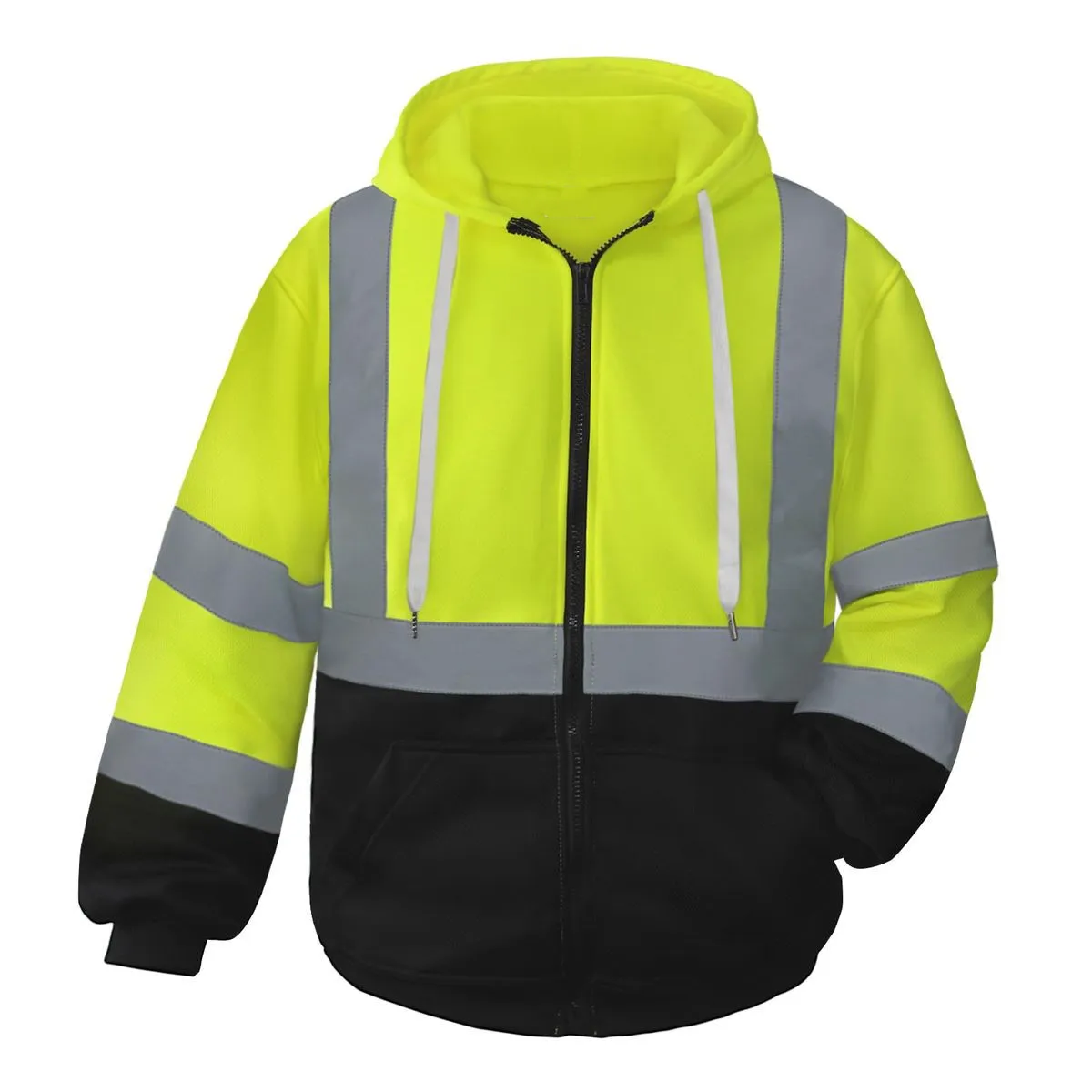
Get a Custom FR Clothing Quote from VisonSafety
What Factors Should Be Considered When Selecting FR Fabrics?
When selecting FR fabrics, consider hazard specificity, required certifications, wearer comfort, laundering regimen, and total cost of ownership including replacement intervals. Fabric attributes—thermal stability, char behavior, weight, and breathability—should be matched to the task profile and environmental conditions to avoid under- or over-specifying protection. Procurement should require documented test reports, batch traceability, and quality controls that align with internal compliance policies. These factors together define a defensible specification that protects workers and meets regulatory or corporate standards.
How Do Custom OEM and ODM Services Enhance FR Clothing Solutions?
Custom OEM and ODM services let B2B buyers specify fit, features, labeling, and fabric blends to meet unique operational needs while ensuring production quality and traceability. Suppliers offering OEM and ODM capabilities can tailor designs to integrate required protective panels, Hi-Vis elements, or comfort features, and they can accommodate order volumes from small samples to bulk production runs. For organizations that need brand differentiation or specific certification alignments, working with a manufacturer that supports custom Flame Retardant Clothing and offers OEM and ODM flexibility helps align safety, compliance, and procurement timelines. These services reduce the gap between off-the-shelf options and site-specific protection requirements.
 English
 Deutsch
 Français
 Polski
 Português do Brasil
 Español
 日本語
日本語 Русский
 العربية
 Italiano
 Nederlands
 Türkçe
 한국어
한국어